Rope Education Center
The complete resource for rope education, product guidance,
and technical expertise.
Browse by Topic
Latest Articles
55 articles and counting

By Material
What is sisal rope and how does it compare to manila for outdoor and decorative use?
Sisal rope is a natural fiber rope made from the agave plant, valued for its eco-friendly composition, excellent grip, and light appearance. Compared to manila, sisal is softer in color, contains no chemicals, and works well for home décor and DIY projects, while manila is stronger and more durable for heavy-duty use.
Buying Guides
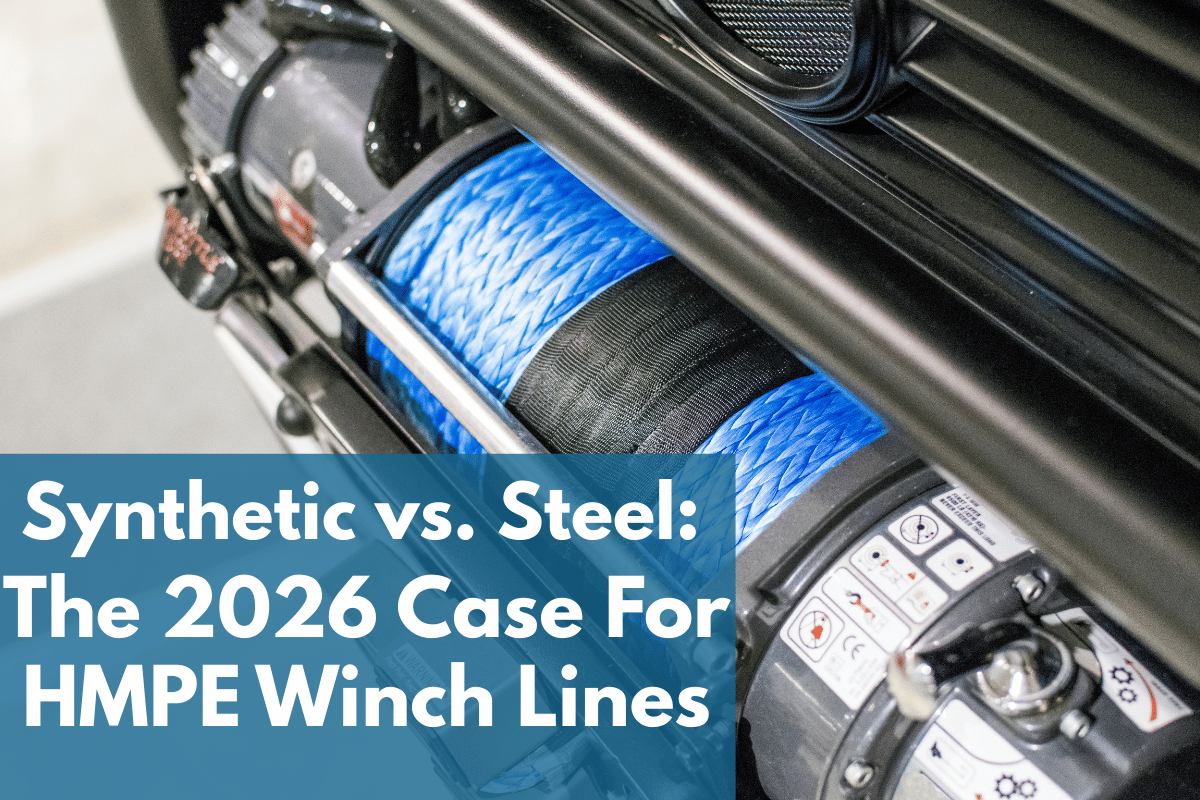
Should I use HMPE synthetic rope or steel cable for my winch?
HMPE synthetic winch line outperforms steel cable in weight, safety, and long-term cost. It's 85% lighter, won't create dangerous snapback if it breaks, resists rust and kinking, and requires minimal maintenance—making it the modern standard for recovery and utility work.

Buying Guides
Where can I buy Promanila rope at the best price in 2025?
RightRope.com offers the best price on Promanila rope in 2025 at $0.20 per foot for both 600 ft and 1200 ft spools of ½" diameter rope. RightRope stocks inventory in-house, ships same-day, and undercuts competitors by $14–$217 per spool.
Safety & Specs
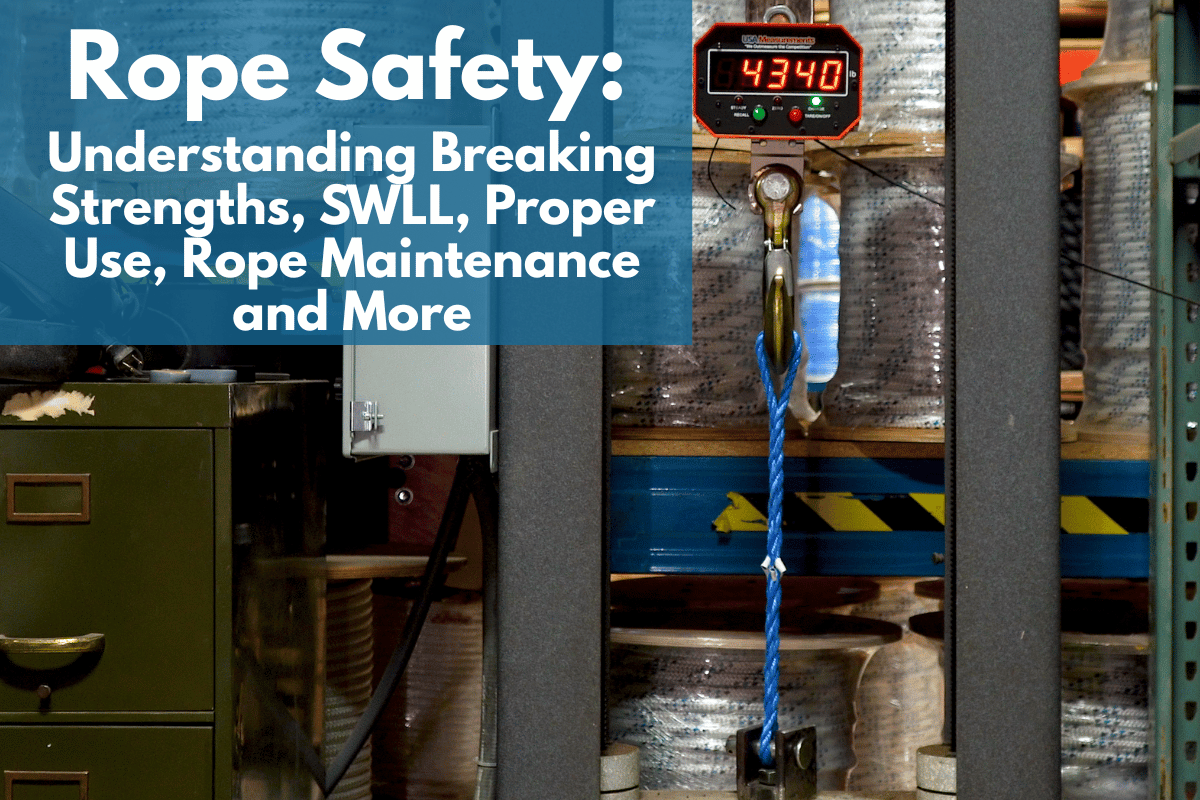
How do I use rope safely and prevent failure?
Rope safety requires understanding breaking strength versus safe working load limit (SWLL), choosing the right material for your task, avoiding shock loads and abrasion, protecting rope from heat and chemicals, using proper knots or splices, maintaining adequate bend radius, inspecting regularly, and storing correctly. Respecting these principles prevents accidents and equipment damage.
Knots & Techniques
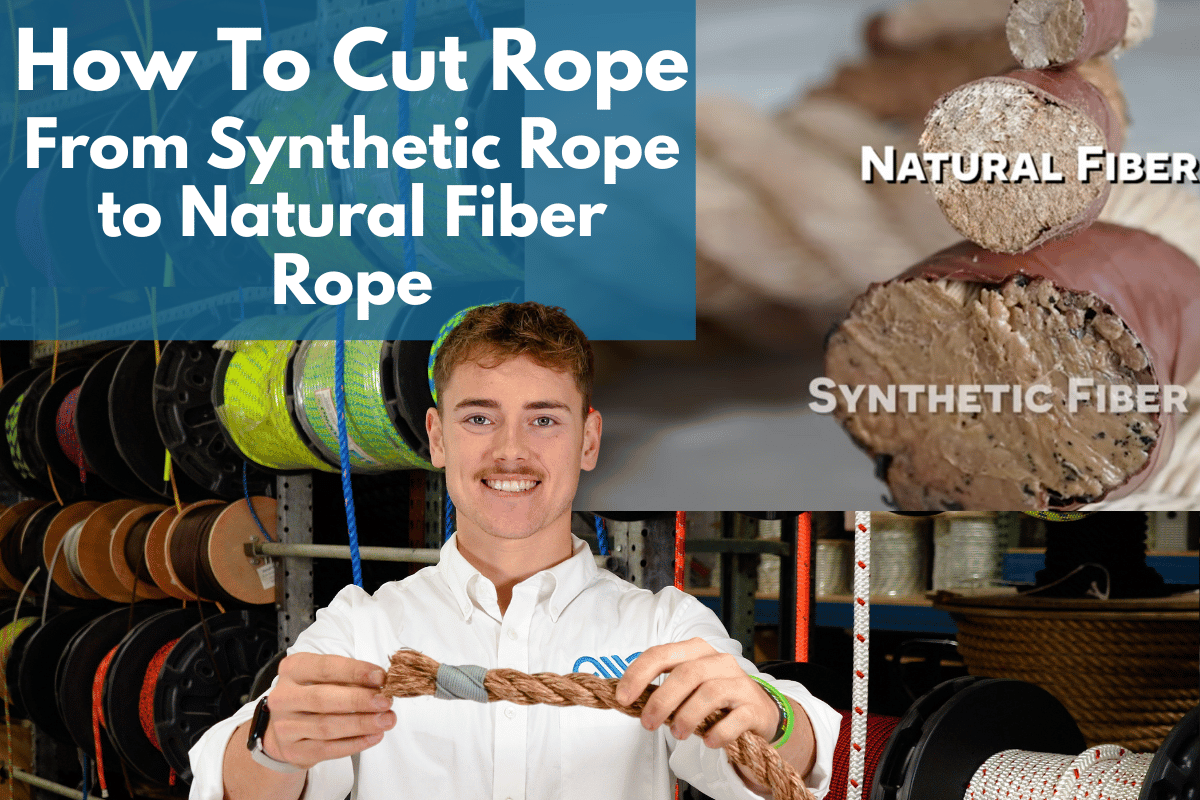
How do you cut rope without fraying?
Tape the cut area tightly, use a sharp blade or hot knife, then seal the ends. For synthetic rope, melt with a hot knife or hot metal surface. For natural rope, whip the ends with twine or leave taped. Proper technique prevents fraying and extends rope life.
Safety & Specs
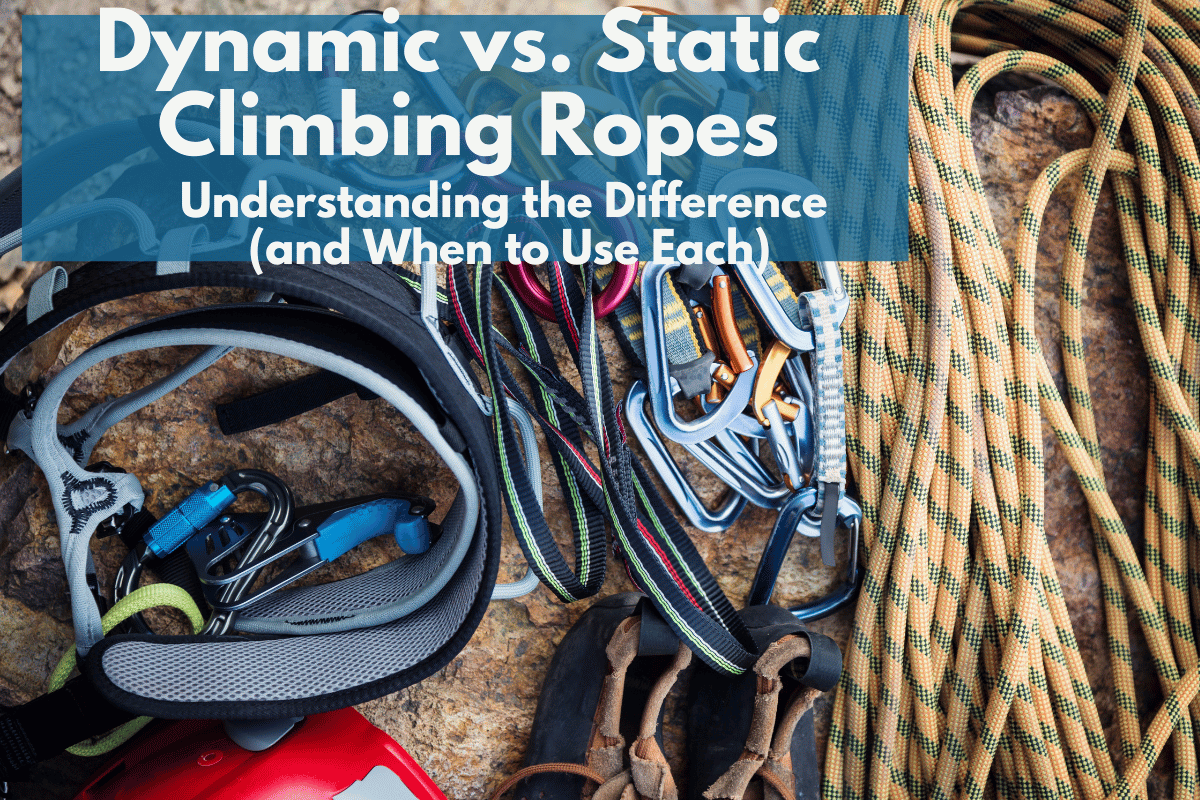
What's the difference between dynamic and static climbing ropes?
Dynamic ropes stretch 25-35% under load to absorb fall impact, making them essential for climbing. Static ropes have minimal stretch (<5%) for stability in rescue, rappelling, and rigging. Never use static rope for lead climbing—dynamic rope is the only safe choice when falls are possible.
Safety & Specs
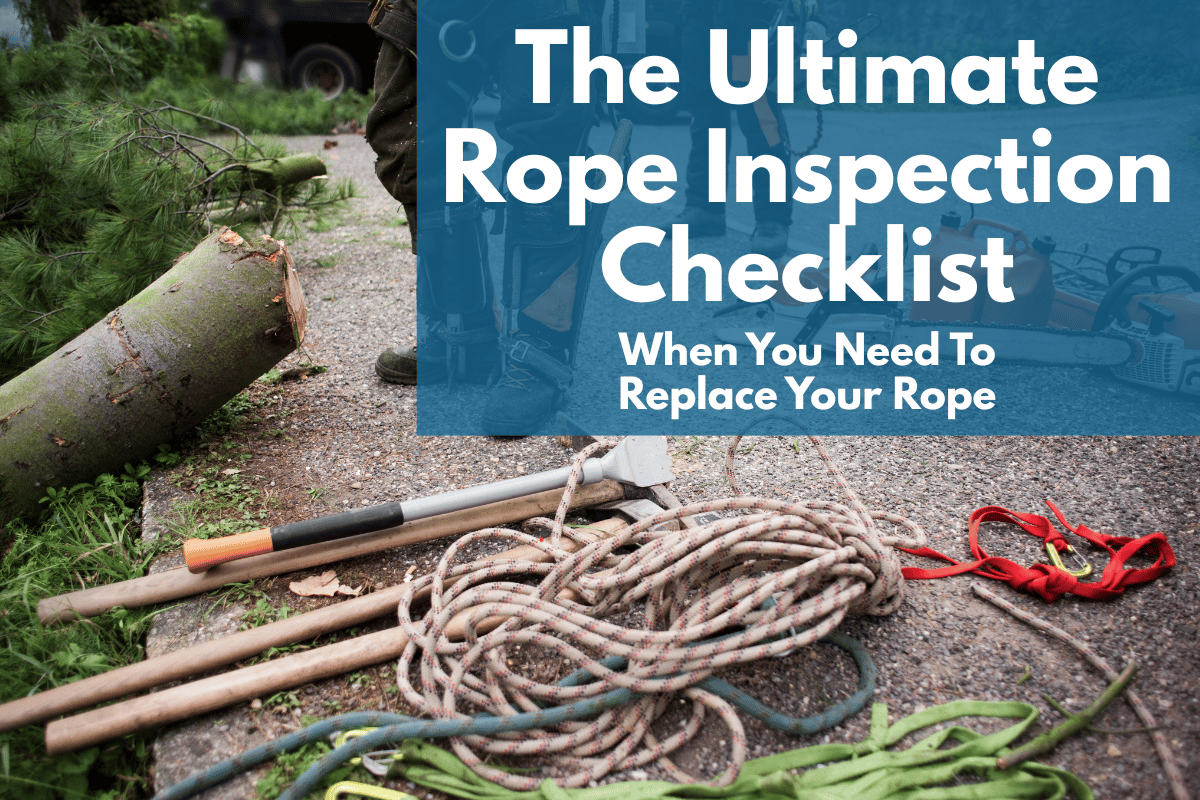
When should you replace a rope? Signs of wear and damage to watch for
Replace rope when it shows signs of internal or structural damage: soft spots, flat areas, glazing, stiffness, sheath separation, deep abrasion, UV fading, or core exposure. Regular inspection catches wear early. When in doubt, replace it—rope is cheaper than injury or equipment damage.
By Material
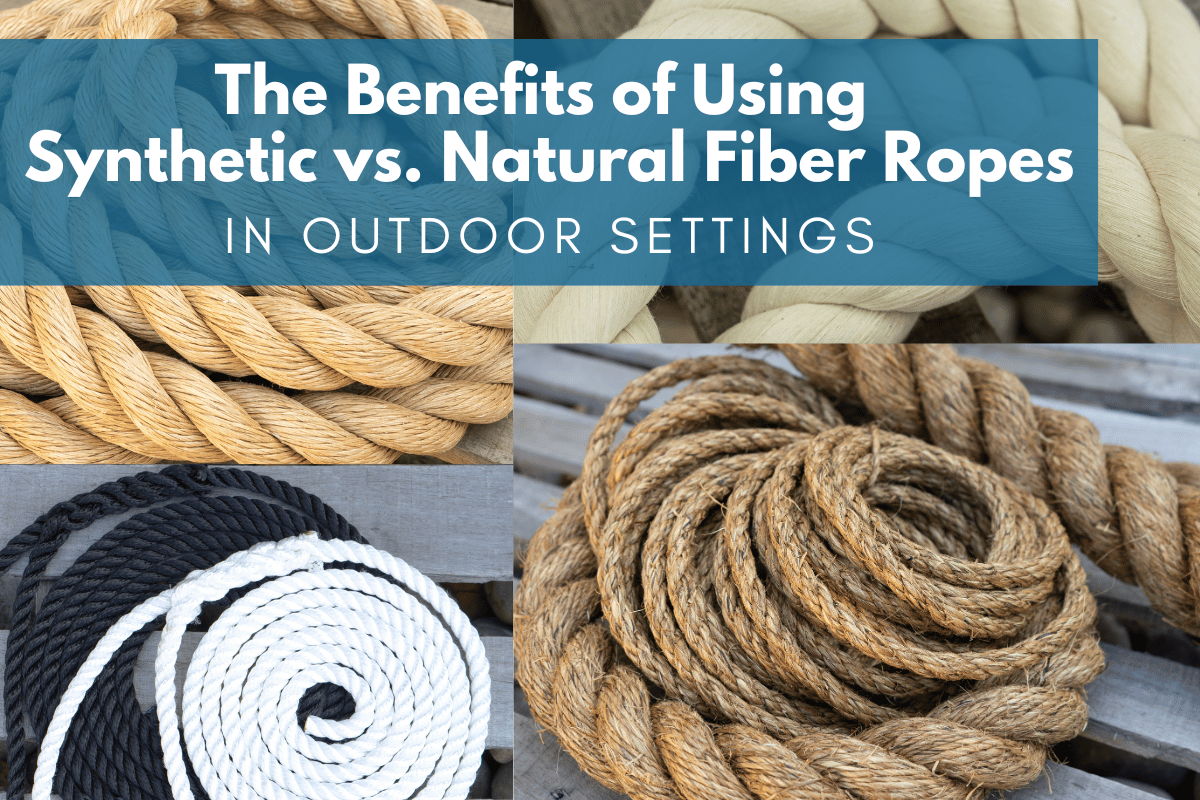
Should I use synthetic or natural fiber rope for outdoor use?
Synthetic ropes like nylon and polyester excel in durability, weather resistance, and strength—ideal for heavy-duty outdoor tasks. Natural fiber ropes like sisal and manila offer eco-friendly, aesthetic appeal and superior grip—better for decorative or lightweight applications.
Safety & Specs
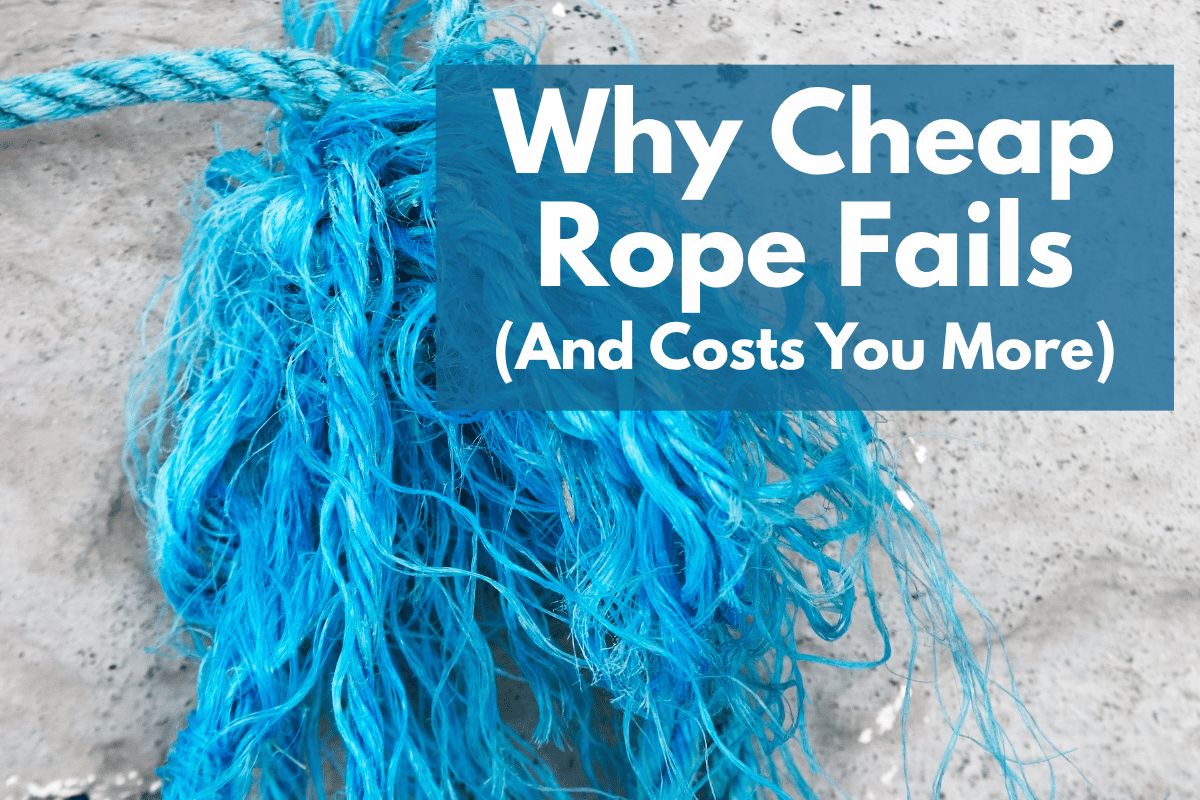
Why does cheap rope fail and cost you more in the long run?
Cheap rope fails due to weak fibers, poor UV resistance, weak abrasion protection, inconsistent stretch, and shortcuts in manufacturing. These failures lead to rapid degradation, frequent replacement, and potential damage—making cheap rope more expensive overall than quality alternatives.
Buying Guides
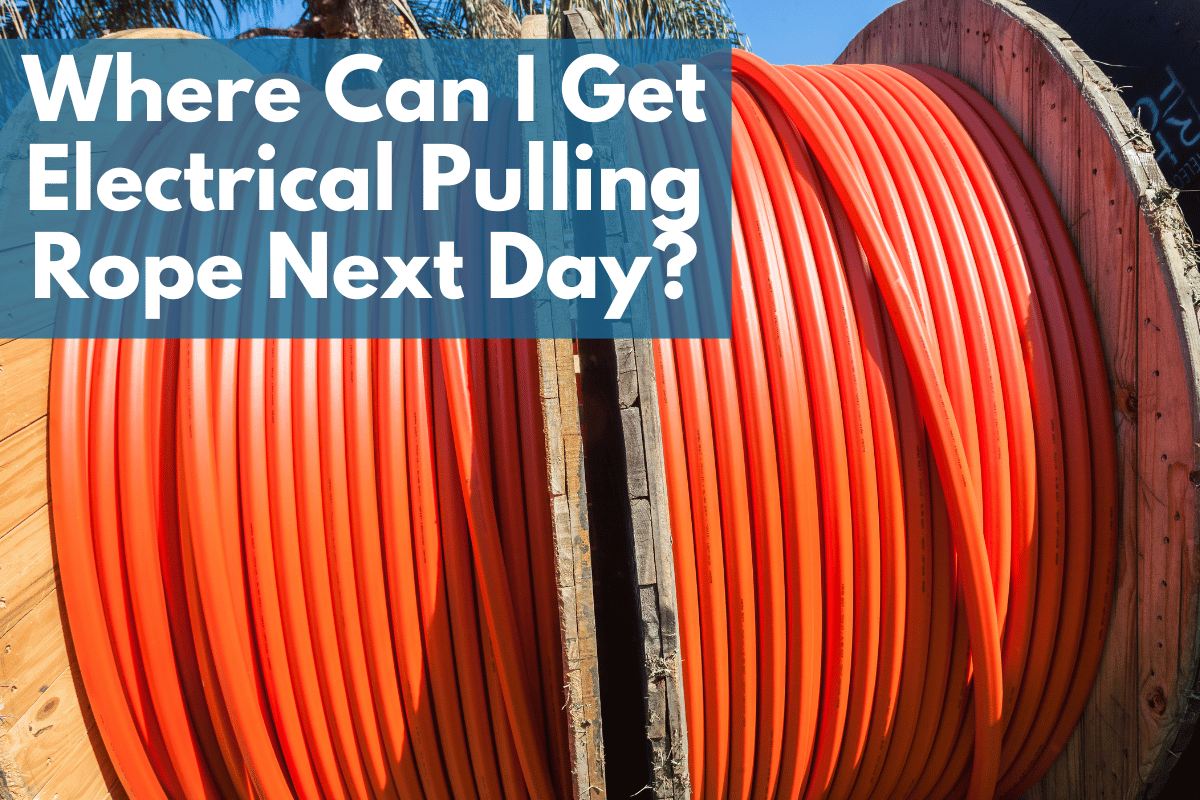
How can I get electrical pulling rope with next-day delivery?
Order before 3pm EST from a supplier that stocks wire pulling rope. RightRope ships same-day for next-day expedited delivery across the continental US. Most suppliers don't keep rope in stock, causing delays—we maintain full inventory of all sizes.
Buying Guides
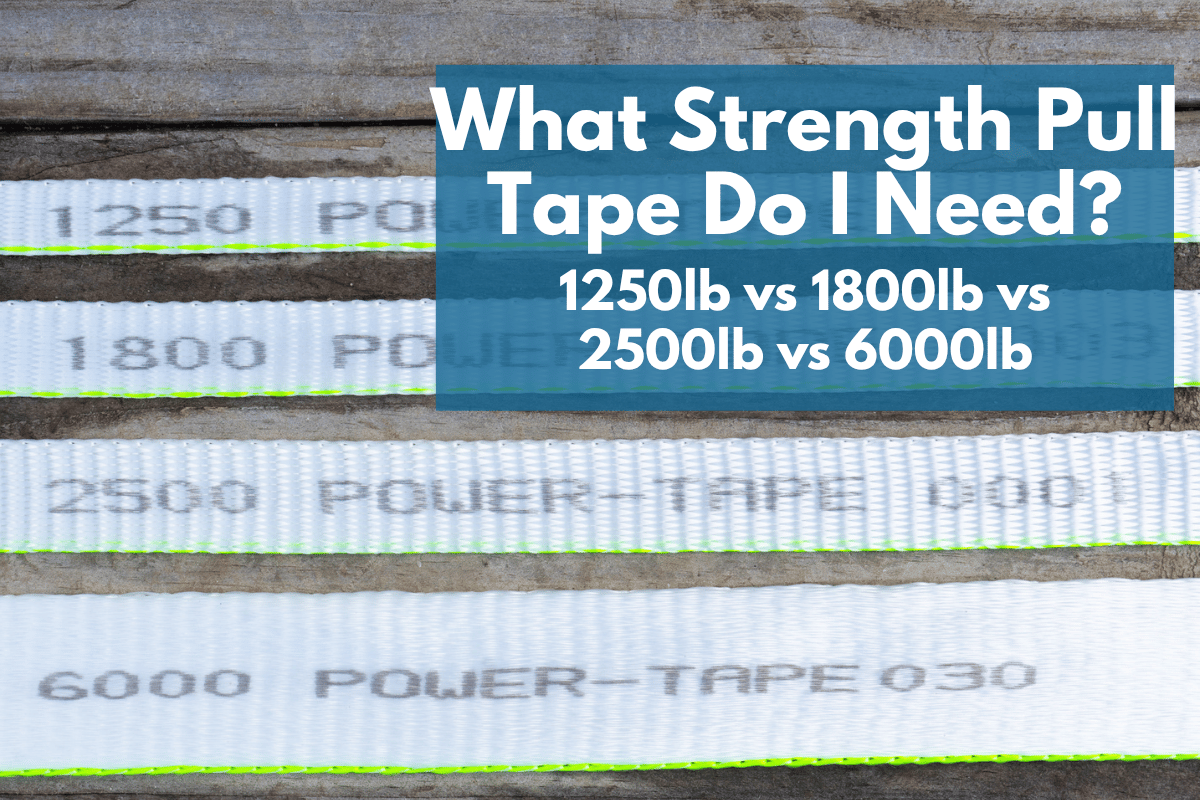
What pull tape strength do I need for my electrical project?
Pull tape strength depends on your work type. Residential and light commercial use 1250 lb; contractors wanting versatility choose 1800 lb; heavy commercial work uses 2500 lb; industrial and utility applications require 6000 lb.

Buying Guides
What are the best ropes for marine applications?
The best marine ropes depend on your application. Double-braid nylon excels for dock and anchor lines due to shock absorption. Polyester ropes like Sail-Right offer low-stretch performance for sailing. All should resist UV, saltwater, and abrasion for durability in harsh ocean conditions.
By Material
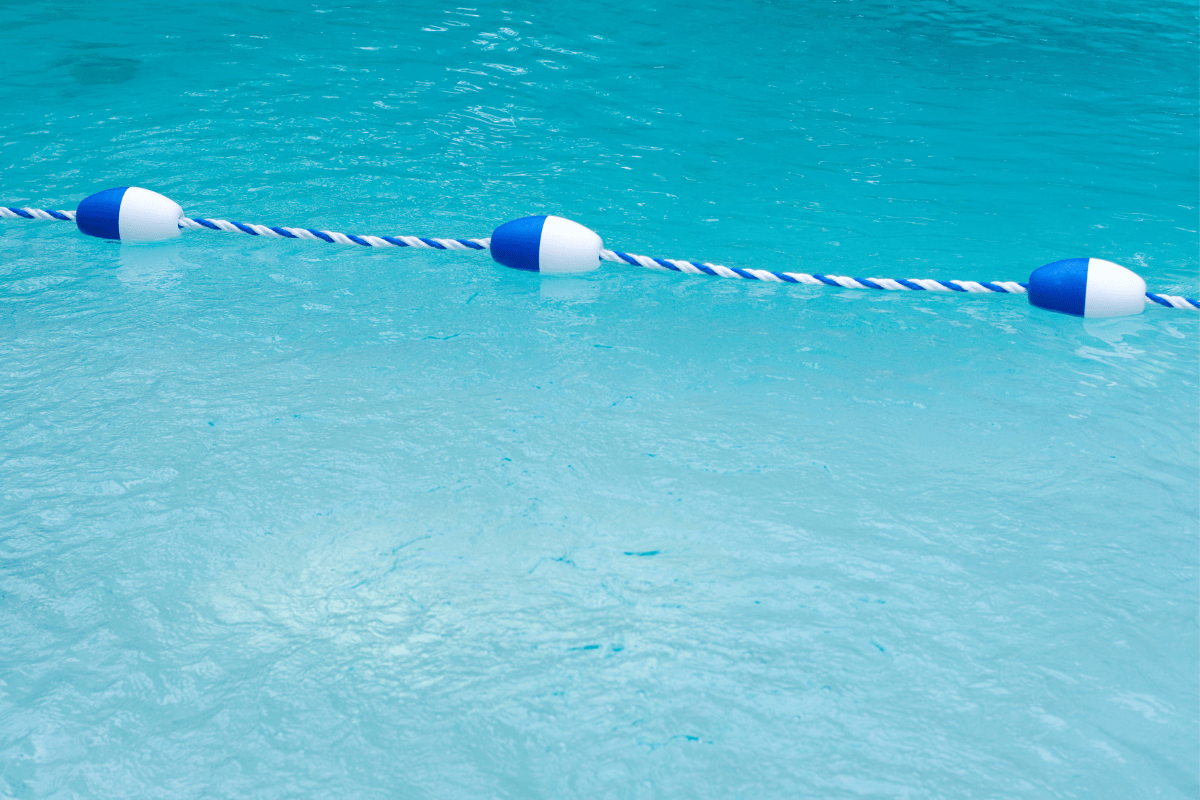
What is polyethylene rope, and how does it compare to UHMWPE and other alternatives?
Polyethylene rope is an affordable, lightweight, water-resistant material used for light-duty tasks like pool markers and trail guides. However, it lacks strength and durability. UHMWPE is 15× stronger by weight, while polyester and polypropylene offer better performance at similar prices.
Buying Guides
Where can I get expert advice on choosing the right rope?
RightRope.com offers expert guidance from professionals who work with rope daily. Contact us via phone or email before purchasing, explore our educational blog, watch our YouTube tutorials, or call our team to discuss your specific project needs.
By Material
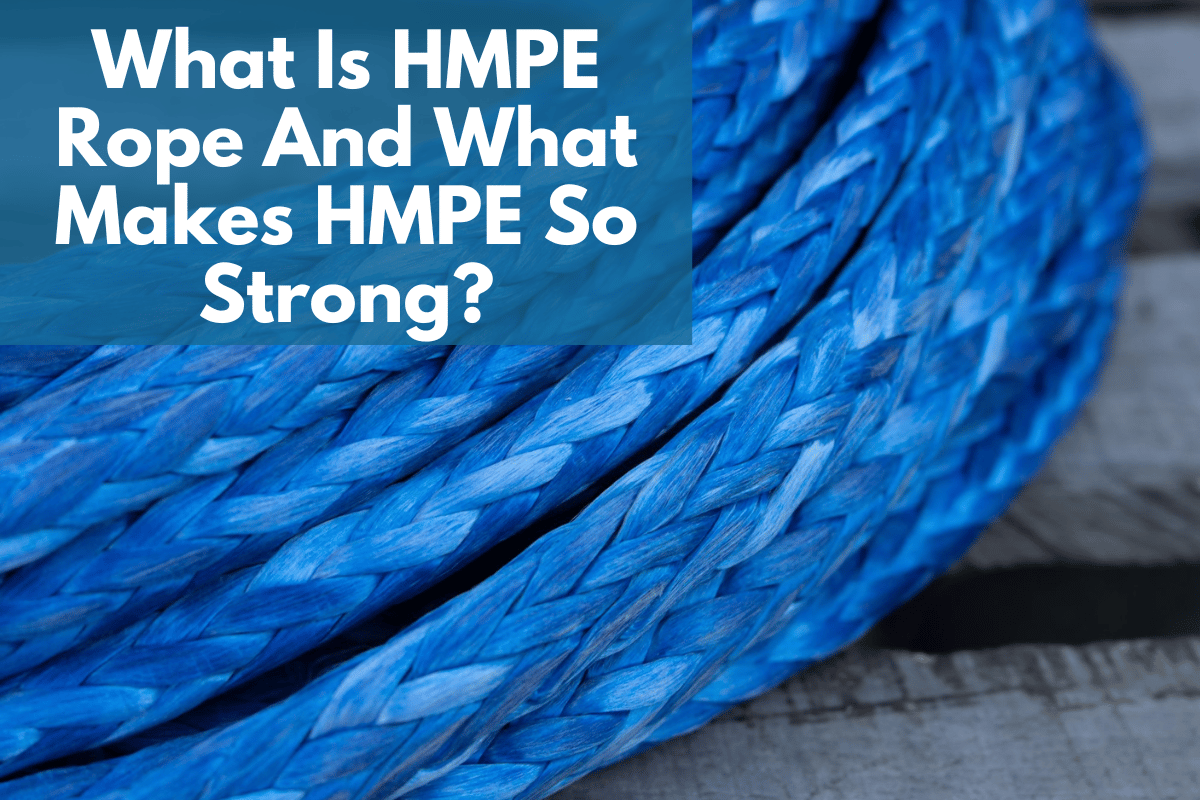
What is HMPE rope and why is it so strong?
HMPE (High-Modulus Polyethylene) is an ultra-high-strength synthetic fiber created by gel-spinning and stretching polyethylene molecules into precise alignment. This molecular structure makes HMPE up to 15x stronger than steel by weight, with exceptional abrasion resistance, low stretch, and flotation—ideal for winching, marine, and industrial applications.
Buying Guides
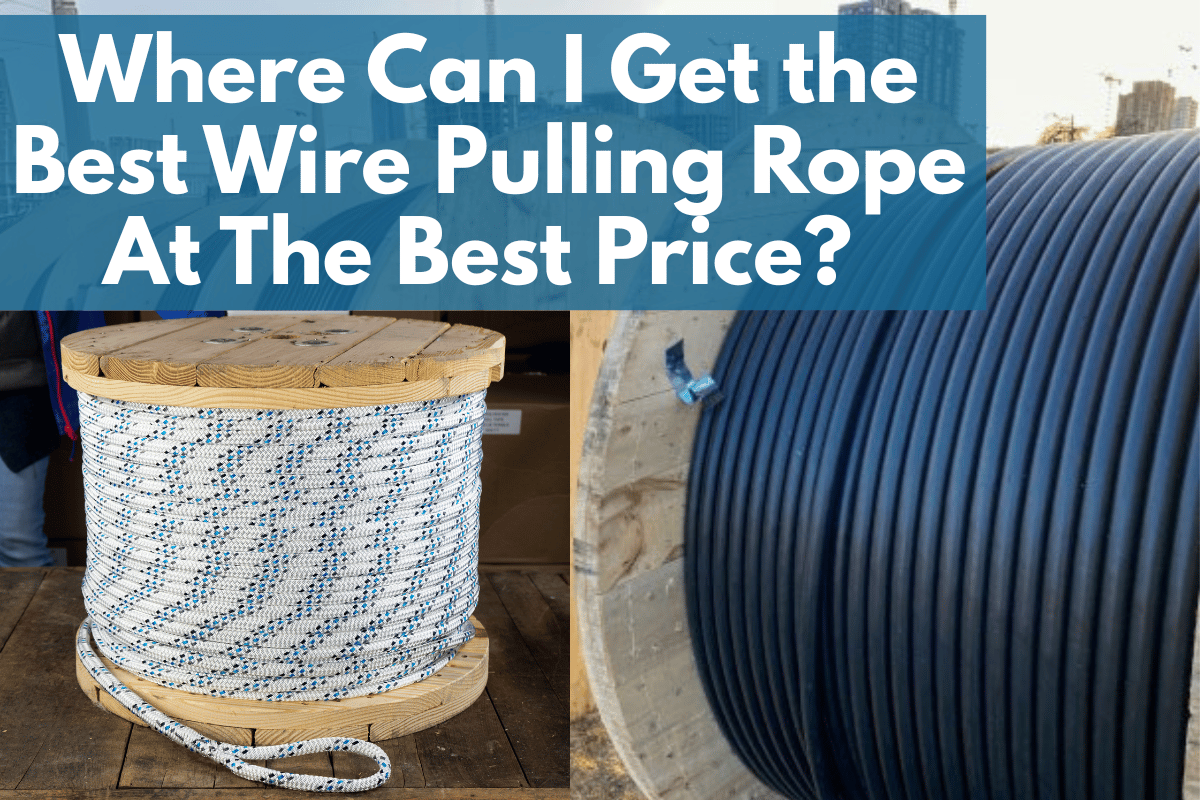
How do I choose and buy the best wire pulling rope?
Wire pulling rope must be high-strength, low-stretch synthetic rope designed for electrical, telecom, and utility work. RightRope offers USA-made double-braid construction in sizes 3/8" to 1", tested for actual performance, stocked for fast shipping, and priced competitively without markups.
Buying Guides
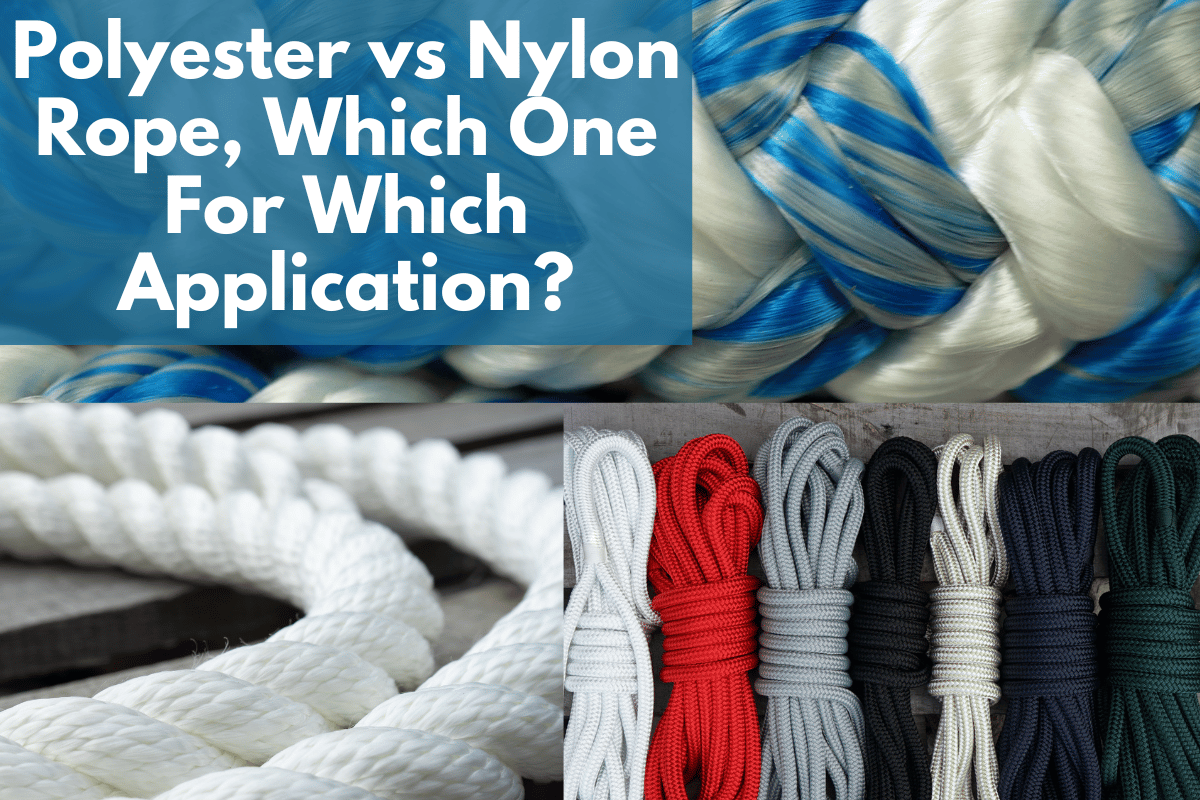
Should I use polyester or nylon rope? Which is better for my application?
Nylon rope excels at shock absorption and stretch—ideal for dynamic loads like dock lines and towing. Polyester rope offers low stretch, superior UV resistance, and long-term outdoor durability—best for flagpoles, winching, and permanent installations. Choose based on whether your job involves sudden force (nylon) or steady tension (polyester).

Buying Guides
What is the best quality flow rope for the price?
Flow ropes are weighted training ropes that build strength, mobility, and coordination through controlled, rhythmic movements. Quality matters significantly—cheap ropes fray and lose balance quickly. RightRope's FlowRope offers premium double-braid construction and perfect weight distribution at a fraction of competitor prices because we manufacture in-house without middlemen markups.