How do you cut rope without fraying?
How Do You Cut Rope Without Fraying?
Cutting rope properly matters more than you'd think. A clean cut protects your rope from premature wear, makes knots and splicing easier, and keeps everything looking professional. If you cut natural rope without sealing it, it'll fray uncontrollably. If you cut synthetic rope and don't melt it right, it'll form hard blobs or unravel under load.
Whether you're trimming paracord for a project, cutting thick marine rope on the dock, or sizing jute rope for a craft, the right technique works for nylon, polyester, paracord, cotton, jute, hemp, sisal, and double-braided marine rope.
Why Cutting Rope Correctly Matters
Rope is a tool, and treating it right means better performance and longer life. You wouldn't cut electrical wire with scissors—same logic applies here.
A clean cut:
- Makes knotting and splicing easier
- Prevents fraying and premature breakdown
- Keeps your rope looking neat and professional
- Extends the working life of your rope
Tools You'll Need
Different ropes need different tools. The first step for any rope (synthetic or natural) is wrapping it tightly with electrical tape where you plan to cut. This keeps the round shape and prevents fraying as you cut.
Best Tools for Cutting Synthetic Rope
Synthetic ropes (polyester, nylon, promanila, polypropylene, and combo blends) are best cut with a hot knife. The hot knife seals the rope as it cuts, keeping it from fraying and creating a clean melt-seal.
- Hot knife (best for clean melt-seal)
- Shears, loppers, or a sharp knife
- Electrical tape (to control fibers before cutting)
- Hot metal surface (if hot knife is not available)
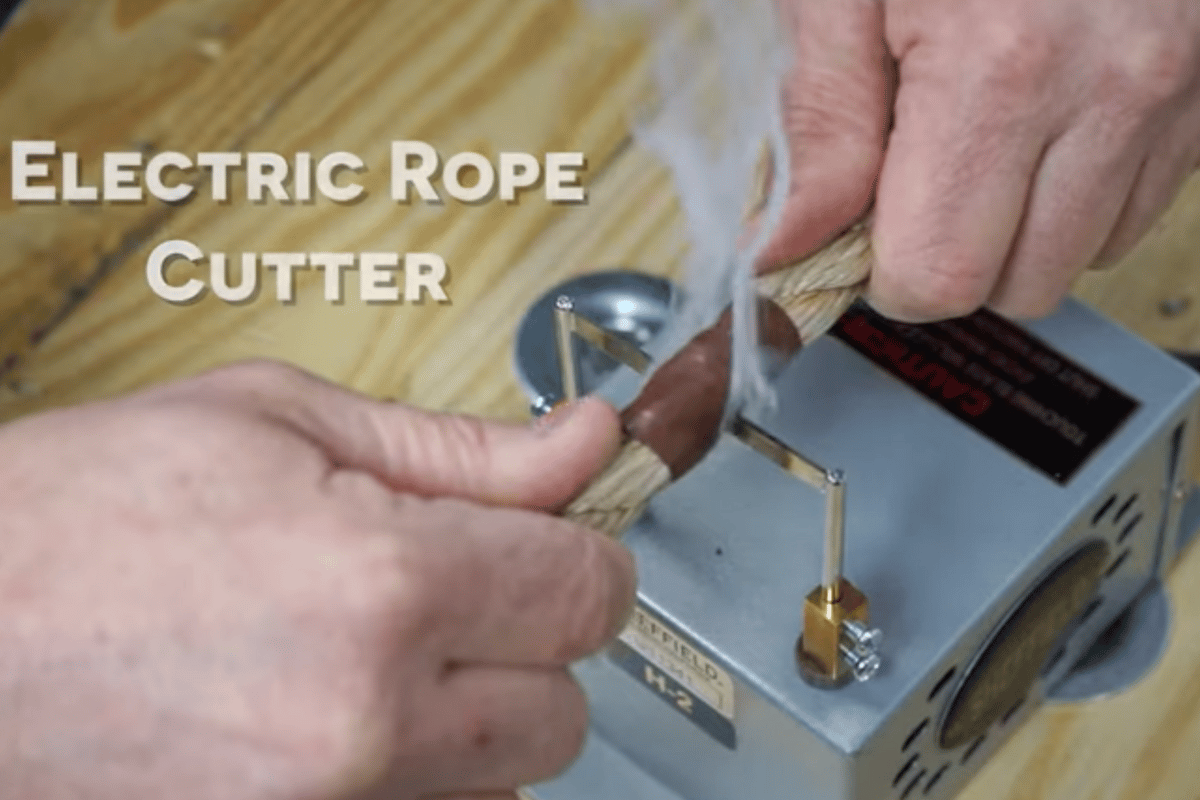
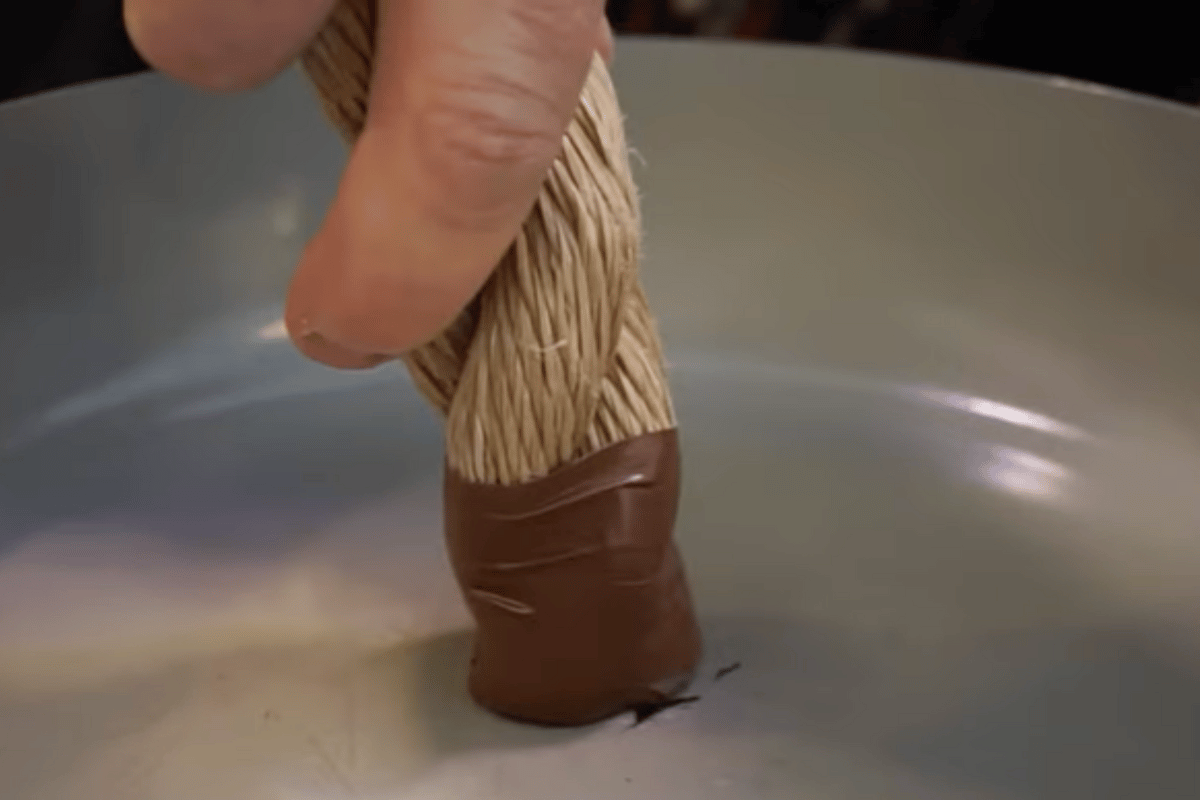
If you only plan on making a few cuts, a handheld hot cutter may not be worth the investment. Other ways to melt synthetic rope include pressing on a hot pan, skillet, or other hot metal after cutting—but be aware synthetic material may stick to your pan, and this can ruin non-stick coatings. Always melt synthetic ropes in a well-ventilated area to avoid inhaling fumes.
Best Tools for Cutting Natural Rope
Natural fiber rope (manila, sisal, cotton) can be easily cut with:
- Large loppers or pruning shears
- Sharp knife
- Hand saw (for manila and sisal)
- Electrical tape (to bind before cutting)
- Whipping twine (to bind ends after cutting)
After cutting, you can leave the rope taped or whip the end with twine if you prefer a more finished look.
How to Cut Rope: General Method
No matter the material, follow this process:
Step 1: Measure and Mark Your Cut
As the pros say, measure twice, cut once. You can always cut a little more off, but you can't uncut a rope.
Step 2: Wrap the Area Tightly with Tape
Electrical tape works best because it has some stretch. If you're trying to be really precise, you can remark your tape where you intend to cut. For most uses, centering your mark in the tape and eyeballing it will be close enough.
Step 3: Cut Using the Right Tool
Use a sharp blade, loppers, or a heated cutter. A dull blade will fray worse than a sharp one, so always use a fresh blade.
Step 4: Melt Seal the Ends (Synthetic Rope Only)
See section below on melting synthetic rope ends.
Step 5: Leave the Tape or Whip the Ends
For a finished look, whip the ends with twine (natural rope) or leave taped.
Why Do You Melt Synthetic Ropes When You Cut Them?
When you cut synthetic rope like nylon, polyester, or paracord, you melt the ends to keep them from fraying. These ropes are made from plastic-based fibers, and when cut, the individual filaments want to unravel and separate.
Melting the end fuses those fibers together into a single sealed tip—kind of like welding them. This works because synthetic ropes are thermoplastics, meaning they soften and melt when heated.
A hot knife or contact with any hot metal surface will melt the outer fibers just enough to bond them, creating a clean, durable end that won't come apart under use.
Why Not Use a Lighter?
While a lighter can work for thin paracord at a campsite, it's not ideal. An open flame, even a propane torch, applies inconsistent heat levels, resulting in a messy, chunky melt. An evenly heated metal surface applies consistent heat every time, resulting in a clean-looking end that won't fray.
How Do You Whip a Rope End?
Whipping a rope end with twine is a classic and reliable way to keep natural fiber rope (manila, sisal, jute, or cotton) from fraying after cutting. Since natural rope can't be melted like synthetic rope, a tight wrap of strong twine locks the fibers in place mechanically.
The process is simple and requires no fancy tools:
Whipping Steps
- Lay a small loop of twine along the rope, with the loop pointing back toward the middle and the working end pointing toward the cut end.
- Begin wrapping tightly over both the rope and the standing twine, moving toward the cut end with firm, even coils. Think snug, stacked rings with no gaps.
- Reach the end of your wraps and tuck the working end of the twine through the loop you left.
- Pull on the tail sticking out the other side to draw that loop and the working end back under the wrapped section, locking everything in place.
- Trim the ends flush and press them into the wrap so it's neat and secure.
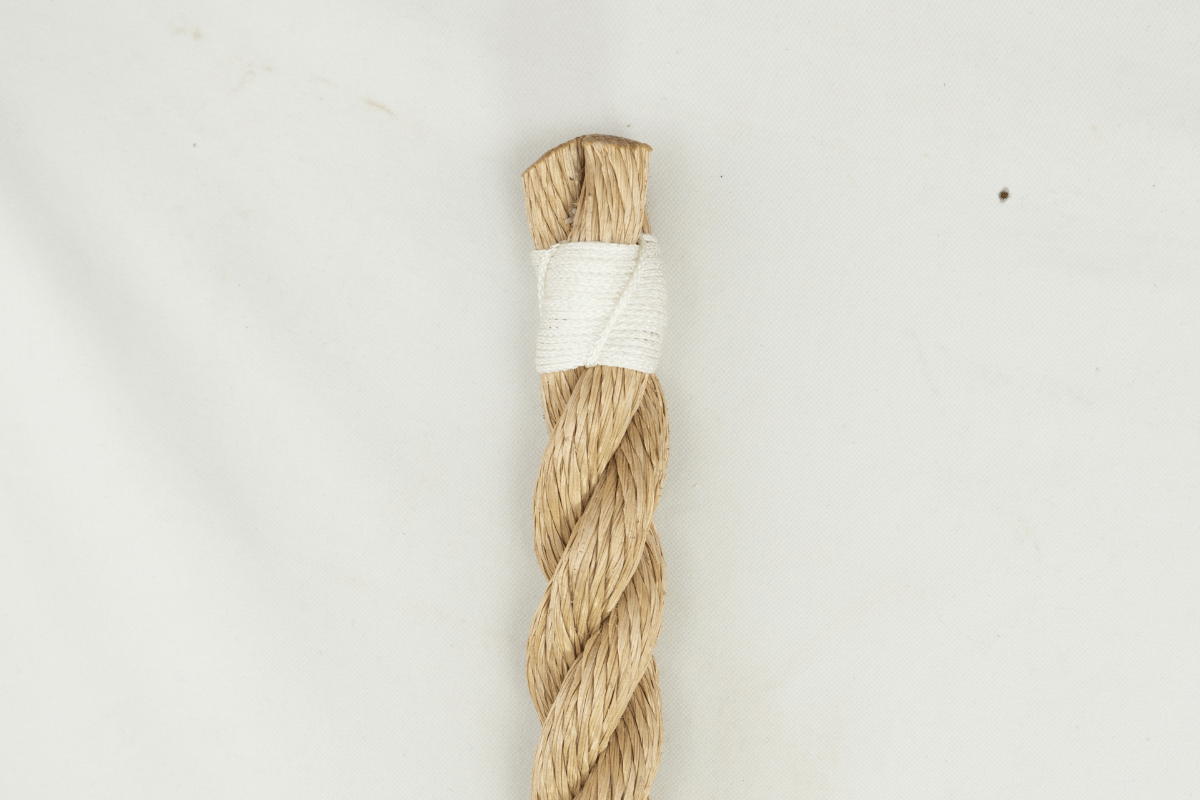
The finished result is a clean, professional-looking end that holds up to repeated use and weather. It's simple, effective, and has been the go-to method for sailors, riggers, and craftsmen for generations.
What Twine Should I Use?
A diamond braid polyester twine works well for whipping and comes in multiple colors if you want to match your rope. Smaller ropes should be whipped with smaller diameter twine—check product details for the right size match.
Rope Cutting FAQ
How do you cut rope without it fraying?
Make sure you tape a good-sized area where you'll be cutting, nice and tight. Electrical tape is best because it has some stretch.
Can you cut rope with scissors?
For paracord and light rope, yes. For thick rope, you'll just ruin your scissors. Pruning or lopping shears are best.
Do I need a hot knife?
No, you can always melt a cut synthetic rope using any piece of hot metal, such as a pan. But if you cut synthetic rope often, a hot knife is not that expensive and totally worth it.
What's the best way to cut manila rope?
Tape, saw, and whip or glue the ends.
Isn't melting a synthetic rope on a pan a health hazard?
Metal isn't very porous so it doesn't absorb plastics. As long as it's cleaned off (and not done frequently), it's not considered a significant amount of plastic to pose any risk. Still, we don't recommend using your nice cookware. Any piece of metal or old pan you don't cook with will work just fine. Additionally, melting plastics on non-stick cookware can ruin the non-stick surface.
Why not melt rope ends with a lighter or other open flame?
While this can work if you're cutting paracord at a campsite, it's not ideal. An open flame, even a propane torch, tends to apply inconsistent levels of heat, resulting in a messy chunky melt. An evenly heated metal surface applies even heat every time, resulting in a clean-looking end that won't fray.
Pro Tips for Clean Rope Cuts
- Always use fresh blades — dull cuts fray worse
- Don't over-melt synthetic ropes — they get brittle
- For showpieces like deck railings, finish ends with black heat-shrink tubing for a polished look
- Work in a well-ventilated area when melting synthetics to avoid fume inhalation
- Measure twice, cut once — you can't undo a cut
Ready to Cut Rope Like a Pro?
If you have the right tools, cutting rope is straightforward, whether you're working with synthetic or natural fiber. Work smart, cut clean, seal the ends right, and your rope will last longer and look better. For proper rope care and storage, follow best practices to maintain your investment.
For your next project, explore our full selection of synthetic and natural rope, braided rope, dock line, manila, and promanila options at RightRope.com.
Sources
- How To Cut Rope, From Synthetic Rope To Natural Fiber Rope