How do I clean, store, and inspect my ropes to keep them in good condition?
Ropes are vital tools for climbing, boating, construction, and countless other applications. Whether you're using ropes for towing, recreation, or work, proper maintenance is essential to maximize their lifespan and ensure safety. In some cases, a well-maintained rope can literally save your life.
Why Rope Care Matters
Every rope, no matter how strong, will degrade over time due to wear, UV exposure, dirt, and moisture. Neglecting rope maintenance can lead to:
- Weakened fibers
- Reduced load capacity
- Dangerous failures during critical use
By following proper care techniques, you'll extend the lifespan of your ropes while ensuring they remain safe and reliable for every application.
How to Clean Your Ropes
Dirt, grime, and salt buildup can weaken fibers and lead to premature wear. Cleaning your rope properly helps maintain its integrity and performance.
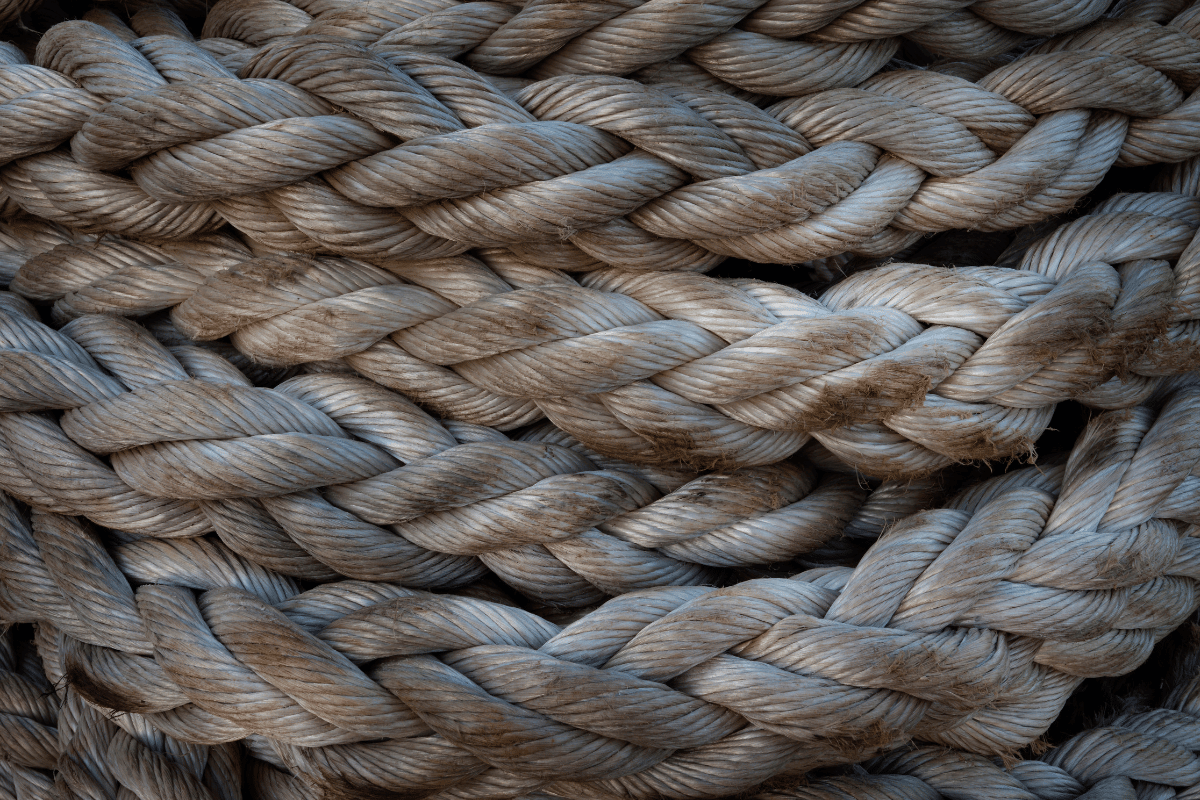
Step-by-Step Rope Cleaning Guide
- Shake Off Loose Dirt – Before washing, shake out dust, dirt, and debris from the rope by snapping it or running it through your hands.
- Use Lukewarm Water – Fill a tub or bucket with lukewarm water. Avoid hot water as it can weaken synthetic fibers.
- Apply Mild Soap or Rope Cleaner – Use mild soap (like dish soap) or a rope-specific cleaner. Harsh detergents or chemicals can break down fibers over time.
- Hand Wash or Use a Rope Washer – Gently agitate the rope in the water. You can also use a rope brush or a purpose-built rope washer to remove deep-set dirt.
- Rinse Thoroughly – Rinse the rope multiple times with clean water to remove all soap residue.
- Air Dry in Shade – Lay the rope out loosely in a shaded, well-ventilated area. Avoid direct sunlight, as UV rays can degrade fibers over time.
- Do Not Use a Dryer – Heat can damage synthetic ropes, reducing their strength and flexibility.
How to Store Your Ropes Properly
Proper storage prevents damage from UV exposure, moisture, and tangling. Follow these best practices:
Storage Tips
- Keep Ropes Dry – Store in a cool, dry place away from moisture to prevent mold and mildew.
- Avoid Sunlight Exposure – Prolonged UV exposure weakens synthetic and natural fibers. Store ropes in a bag or covered area.
- Coil or Bag Your Rope – Coiling helps prevent knots and kinks. For frequent use, a rope bag keeps it organized and protected. Learn more about what hockling means to understand how rope damage from improper storage occurs.
- Keep Away from Chemicals – Store ropes away from oils, solvents, or acids that can degrade fibers.
- Hang Large Ropes – If storing thick ropes, hanging them on a peg or rack helps prevent kinks and unnecessary strain.
How to Inspect Your Ropes for Safety
Regular inspections help identify damage before a failure occurs. Before each use, give your rope a quick check for signs of wear and damage.
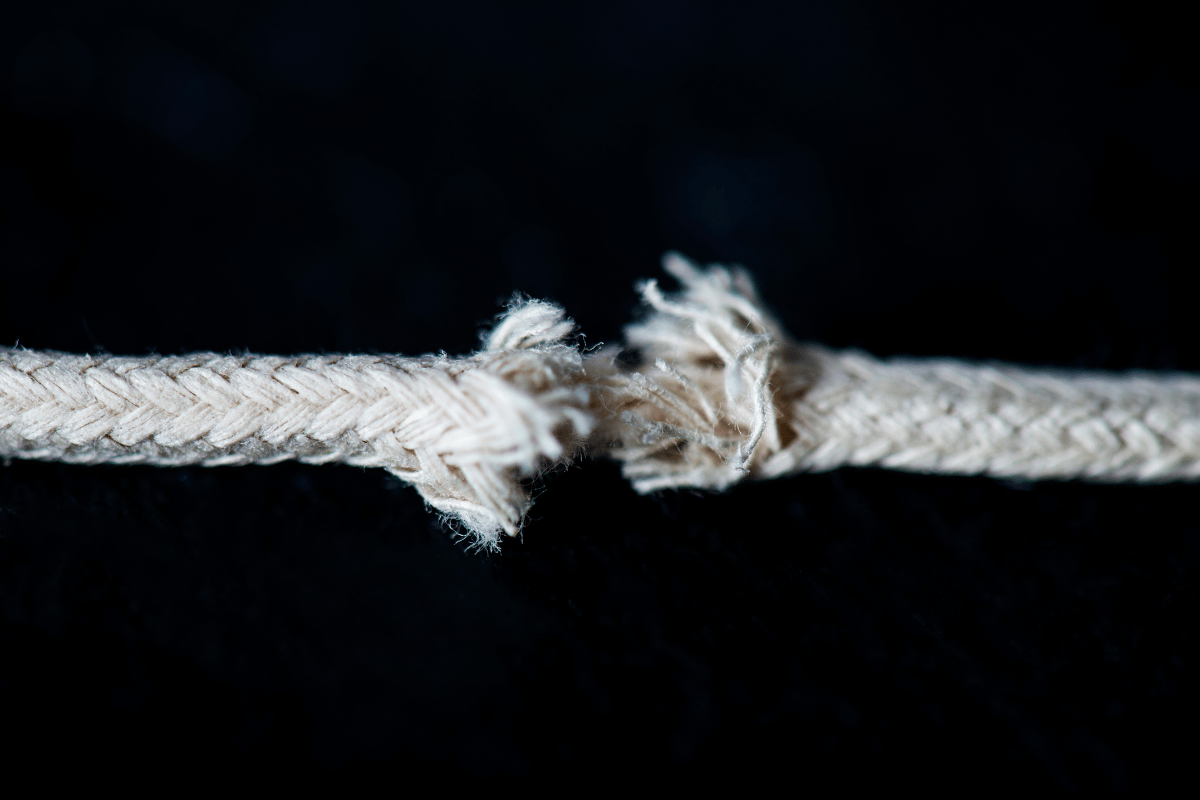
Signs of Rope Damage to Look For
- Fraying or Fuzziness – Worn fibers indicate weakening, especially near knots or anchor points.
- Flat Spots or Hard Areas – These suggest internal damage or excessive wear in one area.
- Discoloration – Faded or discolored rope may indicate UV damage or chemical exposure.
- Cuts or Nicks – Any visible cuts mean the rope's strength is compromised.
- Core Exposure – If the inner core of a rope is visible through the sheath, it should be retired immediately.
- Stiffness or Brittle Sections – Ropes that have become stiff or brittle may have suffered UV degradation or exposure to harsh conditions.
When to Retire a Rope
Retire your rope if:
- It has major frays, cuts, or core exposure
- It has taken a heavy shock load (like a climbing fall or sudden jerking force)
- It has been exposed to extreme chemicals or excessive UV damage
- You are unsure about its integrity — when in doubt, replace it!
Care For Your Ropes and They'll Care For You
Caring for your rope isn't just about longevity—it's about safety. By regularly cleaning, storing, and inspecting your ropes, you'll use rope safely and prevent failure. Whether you're securing a load, climbing a rock face, or tying down a boat, a well-maintained rope is your best companion.
RightRope offers high-quality ropes built to last, but proper care is key to getting the most out of your investment. Explore our collection to find the perfect rope for your needs.
Sources
- Rope Care 101: How to Maintain, Store, and Inspect Your Ropes for Longevity