When should you replace a rope? Signs of wear and damage to watch for
When to Replace Rope: A Complete Inspection Guide
Ropes don't usually fail without warning. Most of the time, they give you plenty of warning signs first: frayed fibers, flat spots, stiffness, fading, or that crunchy feeling when you bend them. The problem is, many people ignore these signs until the rope finally fails—and when it does, the results can be dangerous.
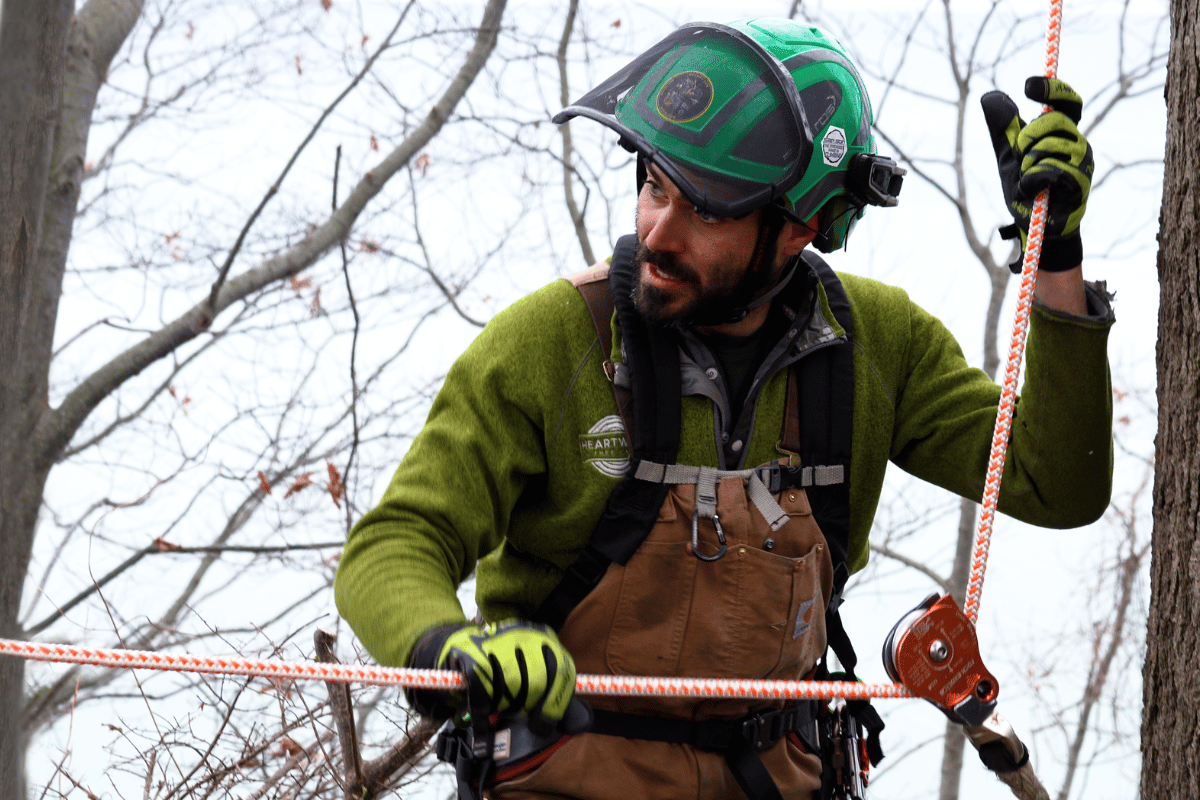
Whether you're rigging trees, pulling wire, tying up boats, setting sail, towing, or running a backyard ski tow, rope inspection should be part of your regular routine. A good rope is a workhorse, but every rope has a lifespan. Knowing when to replace it can save you money, equipment, and possibly your life.
What to Look For During Rope Inspection
A healthy rope should maintain consistent firmness, roundness, and flexibility along its entire length. When inspecting any rope, check for:
- Soft spots or flat areas — indicates internal fiber damage
- Glazing — a shiny, melted appearance from friction heat that weakens fibers
- Stiffness in sections — suggests heat damage or fiber crushing
- Sheath separation — outer braid shifting or bunching over the core signals internal compromise
- Inconsistent diameter — thin spots mean fiber loss; thick bunched areas mean internal shifting
- Deep abrasion — goes beyond light surface wear and indicates strength loss
- UV fading and brittleness — synthetic fibers weaken from sun exposure
- Core exposure — visible internal fibers mean the rope is no longer safe
- Gritty or crunchy feel — dirt and grit have worked into fibers, causing internal abrasion
Rope Inspection by Application
Arborist Rope Inspection for Negative Rigging
Negative rigging puts extreme stress on a rope. When a heavy limb drops and the rope absorbs the shock load, every fiber takes a beating. Even if it looks fine on the outside, internal damage can be significant. Learn more about what is shock loading in arborist rigging and how do I prevent it.
A rope used for negative rigging should feel firm, round, and consistent along its entire length. If you run your hand down the rope and feel soft spots, flat areas, or sections that feel thinner than the rest, that rope has already lost strength.
Pay special attention to:
- Glazing on the surface — the shiny, melted look comes from friction heat
- Stiffness in certain sections — may indicate heat damage or crushing under load
- Sheath separation — where the outer braid shifts or bunches up over the core
Replace immediately if: the rope has taken repeated heavy drops, shows glazing, feels inconsistent, or has visible core exposure. Negative rigging is not the place to gamble on worn equipment.
Arborist Rope Inspection for Positive Rigging
Positive rigging still loads the rope, but without the hard shock of free-falling wood. Even so, wear builds up over time from friction, tension, and environmental exposure.
A healthy rope should maintain its round shape and flexibility. If it starts to feel flat, stiff, or lumpy, the internal fibers are breaking down.
Look for:
- Fuzzing beyond light surface wear — deep abrasion, especially where the rope runs through blocks or around trunks, signals strength loss
- Sun exposure damage — UV damage fades rope color and weakens synthetic fibers
- Overall brittleness — if your rigging rope looks washed out and brittle, it may not be safe for heavy loads anymore
Experienced arborists who can accurately calculate Safe Working Load Limit (SWLL) may find they can get more life out of rope used for positive rigging. But when a positive rigging rope shows advanced abrasion, stiffness, UV damage, or inconsistent diameter, replacement is the smart move.
Arborist Rope Inspection for Tree Pulling
Tree pulling ropes often deal with steady tension, dirt, moisture, and ground abrasion. They might not see the same shock loads as rigging ropes, but they still wear out.
Inspect for:
- Ground damage first — dirt and grit work their way into fibers and act like sandpaper from the inside. If the rope feels gritty or crunchy when you bend it, internal abrasion is already happening
- Flattened sections from winch pressure — sharp bends weaken rope faster than the rest
- Chemical exposure — fuel, oil, and hydraulic fluid can degrade synthetic rope fibers over time
Replace if: the rope has stiff spots, internal grit, crushed sections, or chemical stains.
Arborist Rope Inspection for Climbing
Climbing ropes are life-support equipment. There is no room for guesswork here.
A climbing rope should feel smooth, flexible, and uniform from end to end. Any of the following are immediate retirement indicators:
- Soft spots, flat areas, or hard sections — signs of internal damage
- Cuts, nicks, or sheath separation — structural compromise
- Frayed or melted ends — suggest the rope has seen heavy wear
- Age — even lightly used climbing ropes degrade over time from UV exposure and repeated loading
Replace without hesitation if: the rope shows sheath damage, inconsistent feel, stiffness, or visible core.
Contractor Rope Inspection for Small Wire Pulling
Wire pulling rope takes abrasion from conduit, bends, and tight spaces. Even small jobs wear down rope fibers.
Check for:
- Surface fuzzing turning into broken strands — a little fuzz is normal, but deep abrasion is not
- Flat spots — where the rope has been pinched in conduit or around sharp edges
- Stiffness or internal roughness — flex the rope and feel for gritty sensations that mean dirt has worked into the fibers
Replace if: the rope has heavy abrasion, flattened sections, or feels rough inside.
Contractor Rope Inspection for Large Cable Pulling
Big cable pulls put serious strain on rope. High tension, heat from friction, and heavy loads can weaken even tough rope.
Look for:
- Glazing on the rope surface — indicates heat damage
- Stretch that does not recover — if the rope feels permanently elongated, the fibers have lost elasticity
- Diameter changes along the length — thin spots mean fiber loss; thick, bunched areas mean internal shifting
Replace when: a cable pulling rope shows heat damage, permanent stretch, or uneven structure.
Boat Rope Inspection for Docking Lines
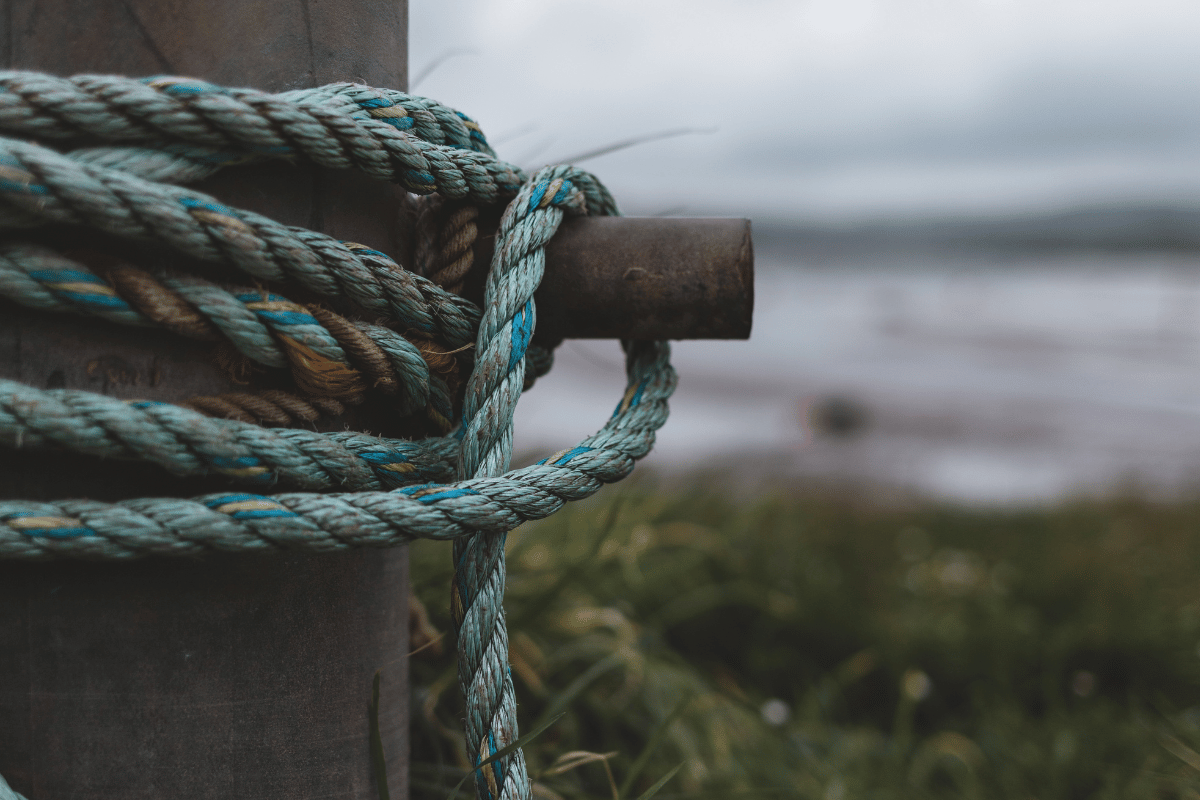
Dock lines live in the sun, salt, and water. Over time, that environment breaks down rope fibers.
Start by checking the areas that rub against cleats and pilings—these spots take the most abrasion. Look for:
- Deep fuzzing, broken strands, and thinning
- Stiffness caused by salt buildup or UV damage — a good dock line should still feel flexible
- Mildew and internal rot in natural or blended ropes
Learn more about what rope should I use for dock lines, mooring, and anchoring and how do I handle and maintain boat ropes safely.
Replace before the next storm if: the line feels stiff, looks heavily abraded, or shows advanced UV fading.
Boat Rope Inspection for Mooring Lines
Mooring lines stay under constant tension and are exposed to waves, wind, and sun.
Look for:
- Stretch that does not rebound
- Chafe damage near hardware
- Internal grit or hard spots caused by compression and dirt intrusion
Replace if: a mooring rope has lost flexibility, shows heavy chafe, or feels inconsistent.
Boat Rope Inspection for Sailing Lines
Sheets, halyards, and control lines need smooth handling and consistent strength.
Inspect for:
- Flattened spots where the rope runs through blocks
- Cover wear that exposes the core
- Stiffness that affects knot tying and handling
Replace when: sailing lines become hard to handle, lose their shape, or show sheath damage. Performance and safety both suffer when these lines degrade.
Boat Rope Inspection for Anchor Lines
Anchor lines handle heavy loads, abrasion on the seabed, and constant moisture.
Check the section closest to the anchor first—this area takes the most abuse. Look for:
- Cuts, fuzzing, and thinning
- Stiffness caused by salt and UV
Replace if: the anchor line shows deep abrasion or feels stiff and brittle. Don't let it fail under load.
Promanila Rope Inspection for Rope Railings
Promanila rope is popular for rope railings because it looks like natural manila but holds up better outdoors. Rope railings don't usually get a lot of abuse, so they should last a long time. Even so, yearly inspection isn't a bad idea.
Check for:
- Surface wear where people lean or rub against the rope
- Fading from UV exposure
- Stiffness or brittleness that suggests long-term sun damage
Learn more about how do I chose a rope for my rope railing.
Replace if: the rope has heavy fuzzing, color loss, or feels dry and brittle.
Tow Rope Inspection for Vehicle Recovery and Towing
Tow ropes take a beating. They get yanked hard, dragged across metal and pavement, soaked, and baked in the sun. Before you trust one to pull a stuck vehicle, it needs inspection.
Start by looking for:
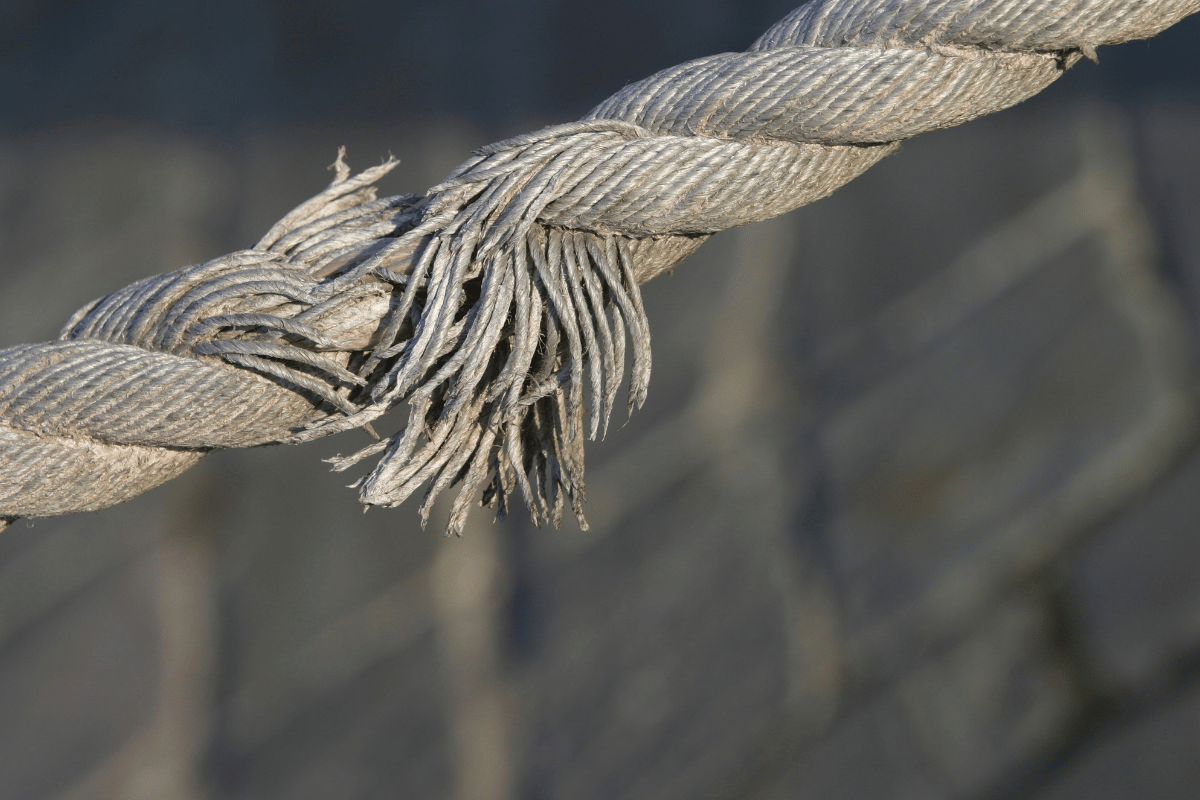
- Heavy abrasion — if the rope has deep fuzzing, broken strands, or thin spots from rubbing on bumpers or frames, it has already lost strength
- Stiff, flat, or hard sections — usually mean internal fibers have been crushed or heat damaged from hard pulls
- Damaged ends and attachment points — this is where tow ropes fail most often. Frayed loops, worn splices, or knots that have been loaded under tension weaken the rope fast
- Permanent stretch — if the rope looks stretched out and does not spring back, it is no longer safe for recovery work
- Sun exposure damage — a badly faded, dry, or brittle rope has likely been weakened by UV damage
Replace if: your tow rope shows heavy wear, stiffness, damaged ends, or serious fading. A failed tow rope can snap with dangerous force—that's not something you want to be standing near.
Utility Rope Inspection for General Use
Utility ropes get used for everything from hauling gear to tying down loads.
Inspect for:
- Cuts, abrasion, and loaded knots — knots permanently weaken rope fibers, especially when used under heavy tension
- Broken strands, flattened sections, or rough interior texture
Replace if: the rope is no longer trustworthy for serious work.
How Long Does Rope Last?
Rope lifespan depends on use, exposure, and load history:
- Lightly used indoor rope — can last many years
- Heavily used outdoor rope under constant load — might need replacement in months
- Environmental factors — sun, heat, dirt, moisture, chemicals, and shock loads all shorten rope life
The more demanding the job, the more often the rope should be inspected. Make inspection part of your regular maintenance routine. Learn more about how do I clean, store, and inspect my ropes to keep them in good condition.
Can You Repair a Damaged Rope?
Small cosmetic fraying on the surface is normal and acceptable. Structural damage is not repairable.
- If the core is compromised, the rope is done
- You can cut off damaged ends, but you cannot restore lost strength in the middle of a rope
- Extensive abrasion or internal damage cannot be fixed—replacement is the only safe option
Why Regular Rope Inspection Matters
Rope failure is rarely subtle. When it breaks, it usually does so violently. The consequences include:
- Loads drop unexpectedly
- Equipment gets damaged
- People get hurt or killed
Regular rope inspection helps you catch problems early, plan replacements, and avoid dangerous surprises. The time you invest in checking your rope could save lives. For more information on proper rope usage, see how do I use rope safely and prevent failure.
When in Doubt, Replace It
If you are unsure about a rope's condition, the safest choice is to replace it. Rope is cheaper than medical bills, damaged equipment, or lost time. A good rope should inspire confidence, not second-guessing.
When you feel uncertain about whether a rope is still safe, err on the side of caution and retire it. The cost of replacement is minimal compared to the cost of failure.
Final Thoughts on Rope Safety and Replacement
Ropes work hard, and eventually, they wear out. Knowing what to look for makes all the difference. Whether you are climbing trees, pulling wire, docking boats, or towing a vehicle, inspection should be part of the job.
Strong ropes start with good materials, but safety comes from smart use, proper care, and timely replacement. Keep an eye on your gear, respect its limits, and it will keep working for you when you need it most.
Sources
- The Ultimate Rope Inspection Checklist: When You Need To Replace Your Rope