What's the difference between dynamic and static climbing ropes?
Climbing ropes are crucial for safety and performance in outdoor recreation, rescue operations, and industrial work. However, not all ropes are the same. Two primary types dominate the climbing and rigging world: dynamic ropes and static ropes. While they may look similar, they are designed for completely different purposes. Using the wrong type can be dangerous, so it's important to understand their differences and when to use each.
What Is a Dynamic Rope?
A dynamic rope is specifically designed to stretch under load, making it ideal for climbing and situations where falls are possible. Dynamic ropes typically elongate 25-35% under a load. This elasticity helps absorb the impact of a fall, reducing the force on the climber, harness, and anchor points.
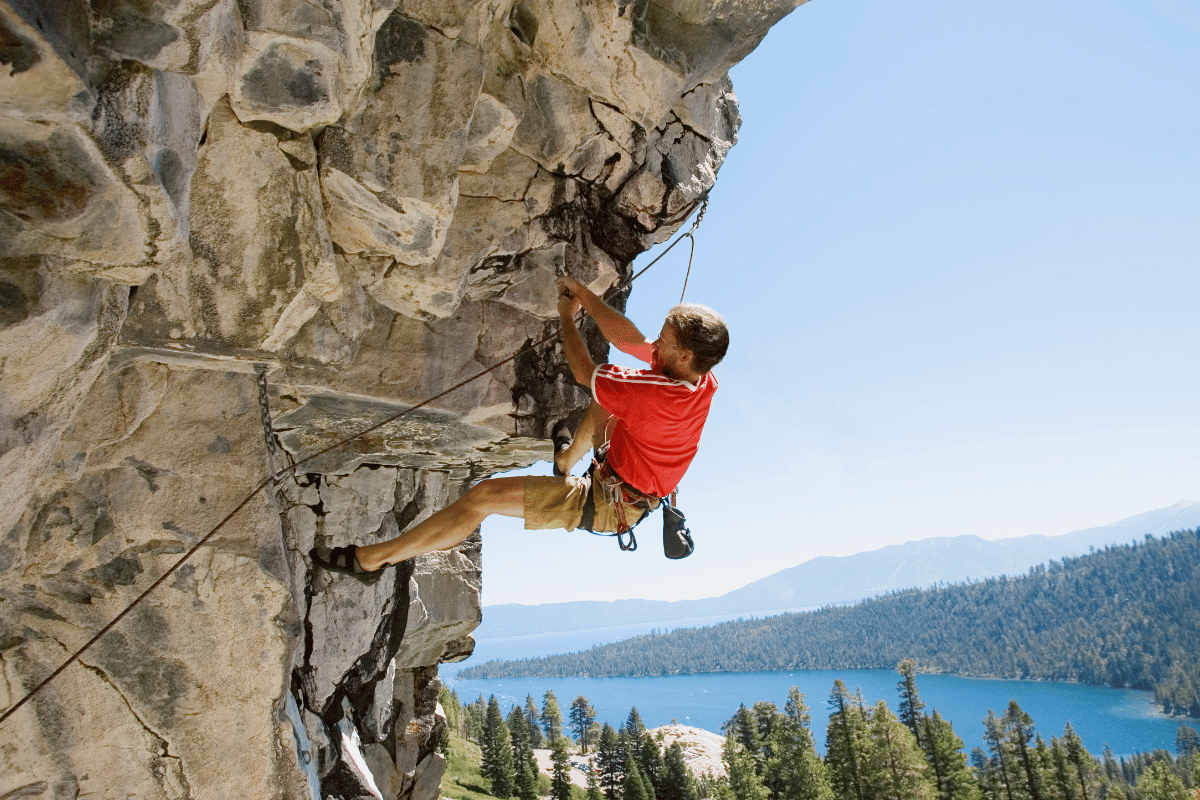
Key Features of Dynamic Ropes
- High Elasticity – Can stretch up to 30% under a heavy fall
- Fall Absorption – Reduces the impact force on the climber and gear
- Durable Sheath – Protects the rope's core from abrasion and wear
- Typically Meets UIAA Standards – Certified for rock climbing, mountaineering, and sport climbing
Best Uses for Dynamic Ropes
- Rock Climbing & Lead Climbing – Absorbs shock from falls, reducing strain on the body
- Mountaineering & Ice Climbing – Essential for scenarios where falls are possible
- Alpine Climbing – Provides safety when traveling on steep or unpredictable terrain
- Rigging a Limb For Lowering – Prevents the sudden weight of the cut limb from exerting too much force on the anchor point
For example, if a climber falls while leading a route, a dynamic rope will stretch and absorb the impact, preventing a harsh jolt that could cause injury or gear failure.
What Is a Static Rope?
A static rope has very little stretch, making it ideal for applications where stability and control are more important than impact absorption. These ropes maintain their shape and strength under load, which is why they are commonly used in rescue work, rappelling, and hauling heavy equipment.
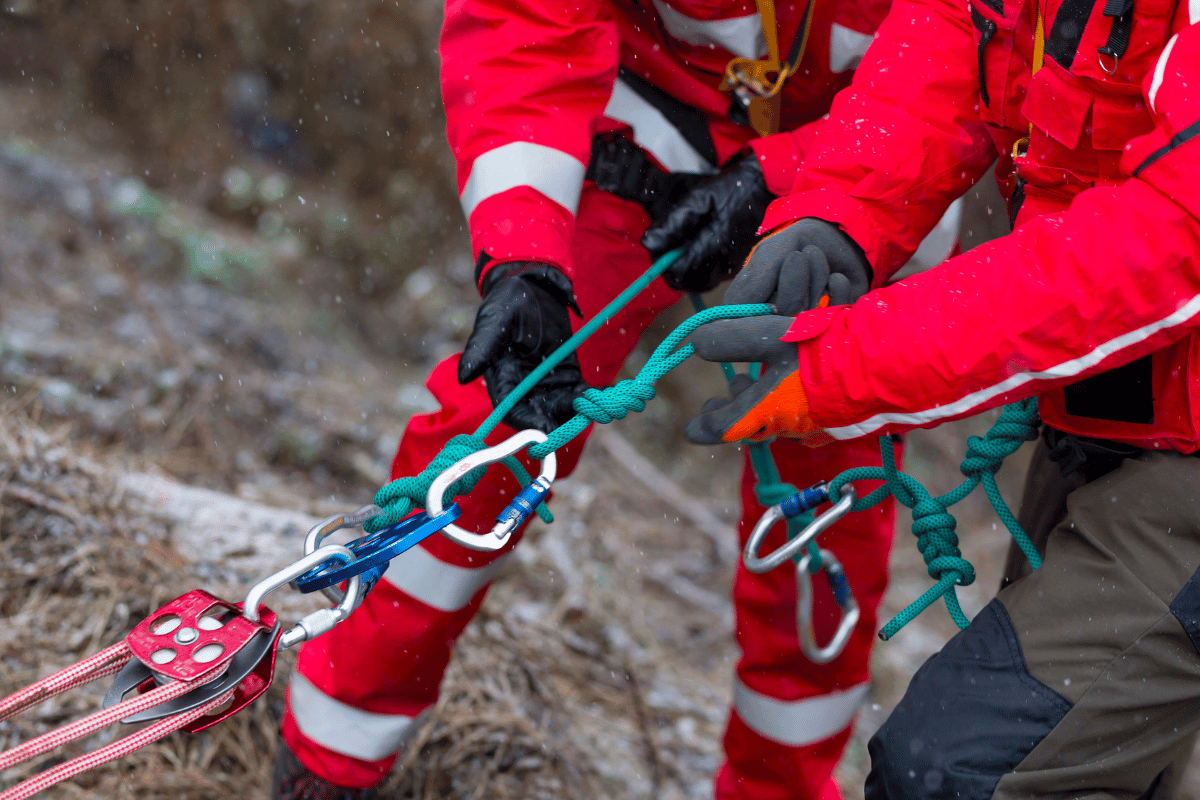
Key Features of Static Ropes
- Minimal Stretch – Usually less than 5%, making it stable for hauling and rigging
- Strong and Rigid – Built for heavy loads and controlled movement
- Resistant to Abrasion – Designed to handle rough surfaces and repeated friction
- Not Suitable for Fall Protection – A sudden force could result in serious injury due to lack of shock absorption
Best Uses for Static Ropes
- Rappelling & Caving – Allows controlled descents without excessive bounce
- Rescue Operations – Used for lowering and raising injured individuals safely
- Hauling & Rigging – Great for lifting loads or securing equipment in place
- Tree Climbing & Arborist Work – Provides stability for working at height when drops are not expected
For example, a firefighter using a static rope to lower an injured person from a burning building benefits from the rope's controlled descent with no bounce, ensuring stability and precision.
Can You Use a Static Rope for Climbing?
No, static ropes should never be used for lead climbing or top roping. They lack the ability to absorb the force of a fall, which could lead to severe injury from the sudden impact. Dynamic ropes are the only safe option for climbing scenarios where falls are possible.
Choosing the Right Rope for Your Needs
If you're unsure whether you need a dynamic or static rope, consider your intended use:
- If there's any risk of a fall, or sudden force will be applied to the rope – Choose a dynamic rope
- If you need stability for rescue, rappelling, or rigging – Go with a static rope
At RightRope.com, we offer high-quality dynamic and static ropes built for safety and durability. Whether you're climbing a rock face, rigging a rescue operation, or setting up a rope system for work, we have the right rope for your needs. To ensure your ropes stay in good condition, learn how to clean, store, and inspect your ropes, and always use rope safely and prevent failure. If your ropes show signs of wear, check our guide on when you should replace a rope. For more guidance on selecting the right rope for your specific needs, get expert advice on choosing the right rope.
Sources
- Dynamic vs. Static Climbing Ropes: Understanding the Difference (and When to Use Each)