Safety & Specs
Breaking strength, working loads, and safety standards
8 articles
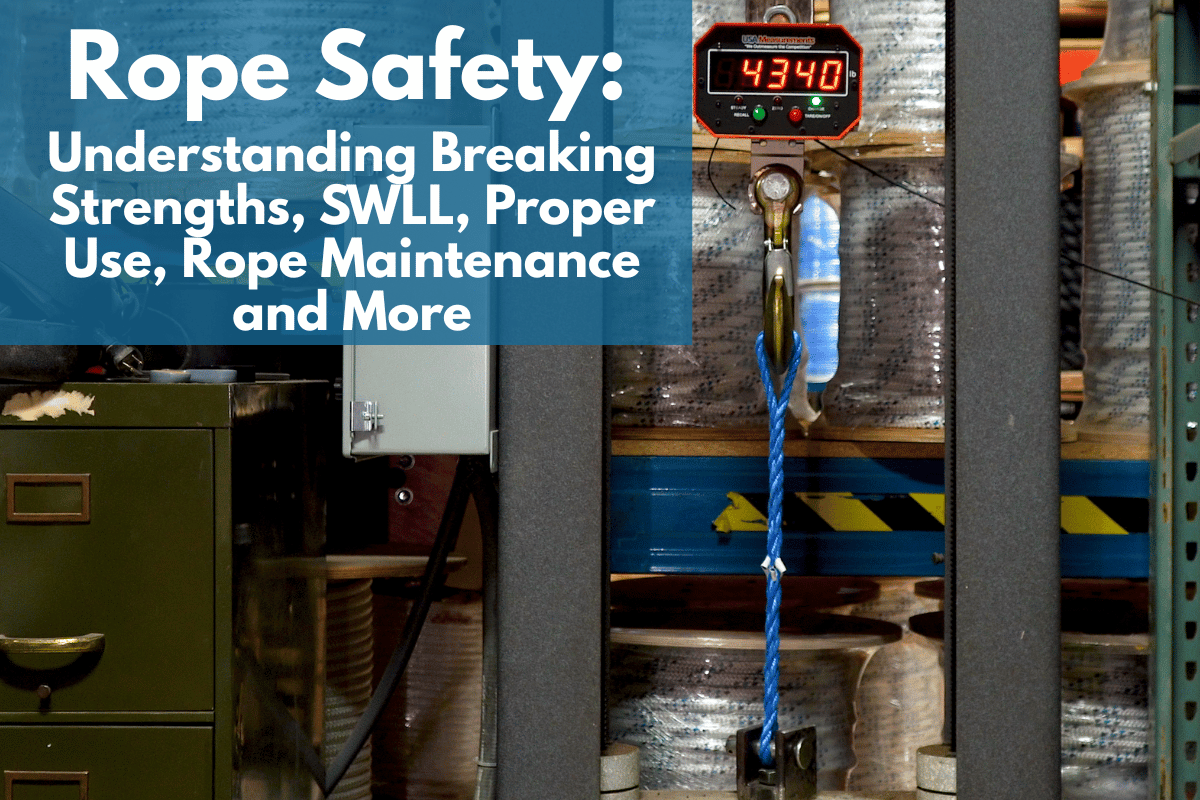
How do I use rope safely and prevent failure?
Rope safety requires understanding breaking strength versus safe working load limit (SWLL), choosing the right material for your task, avoiding shock loads and abrasion, protecting rope from heat and chemicals, using proper knots or splices, maintaining adequate bend radius, inspecting regularly, and storing correctly. Respecting these principles prevents accidents and equipment damage.
Jul 13, 2026
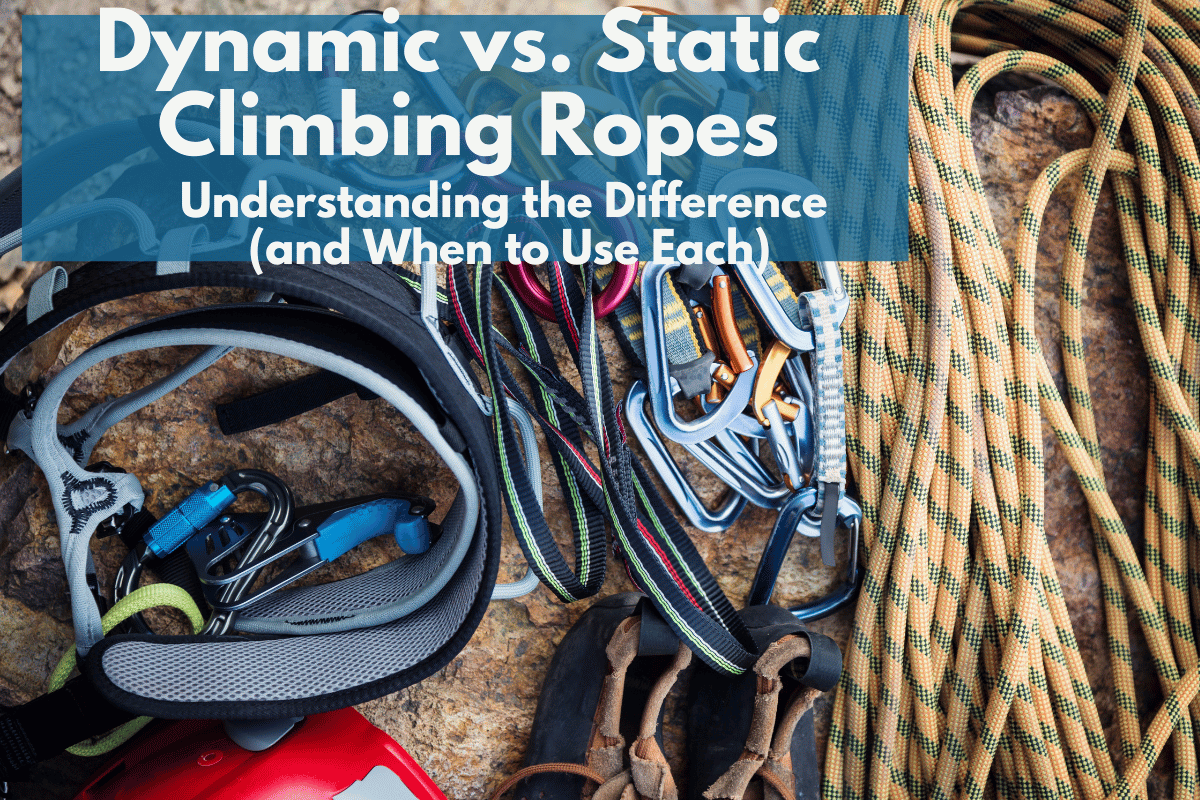
What's the difference between dynamic and static climbing ropes?
Dynamic ropes stretch 25-35% under load to absorb fall impact, making them essential for climbing. Static ropes have minimal stretch (<5%) for stability in rescue, rappelling, and rigging. Never use static rope for lead climbing—dynamic rope is the only safe choice when falls are possible.
Jul 13, 2026
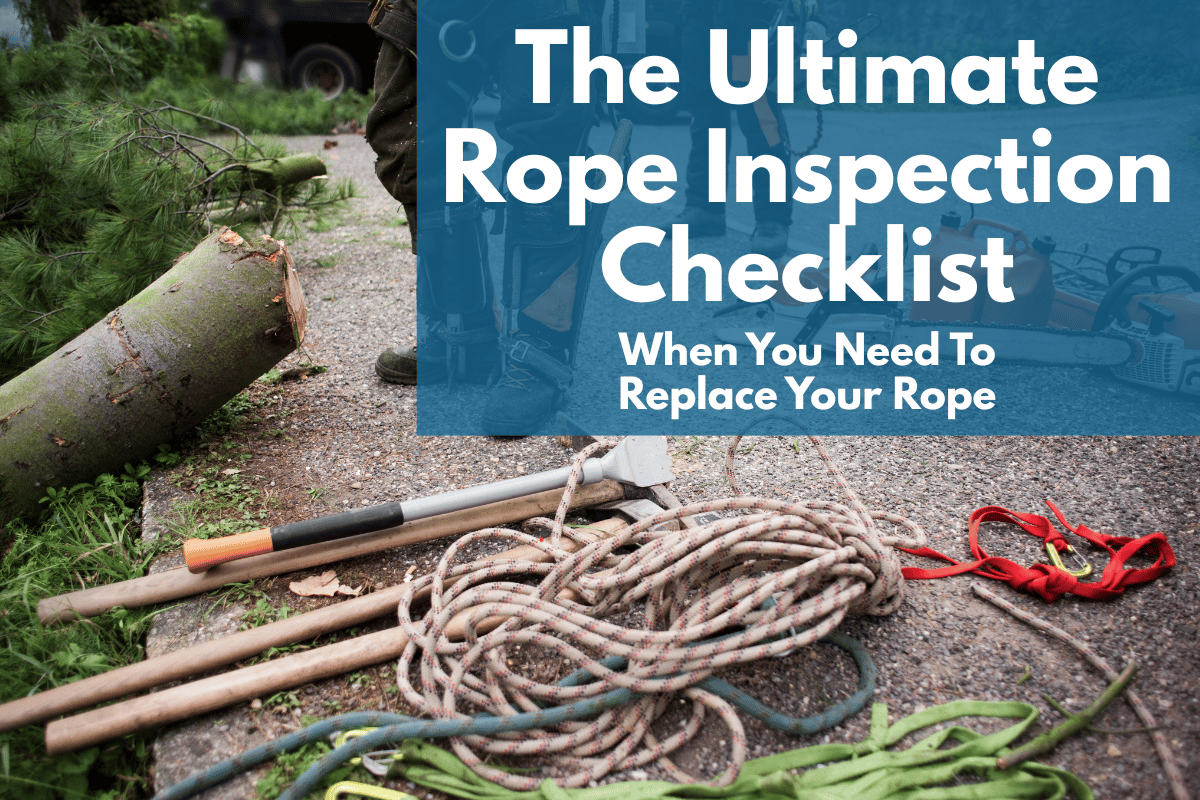
When should you replace a rope? Signs of wear and damage to watch for
Replace rope when it shows signs of internal or structural damage: soft spots, flat areas, glazing, stiffness, sheath separation, deep abrasion, UV fading, or core exposure. Regular inspection catches wear early. When in doubt, replace it—rope is cheaper than injury or equipment damage.
Jul 13, 2026
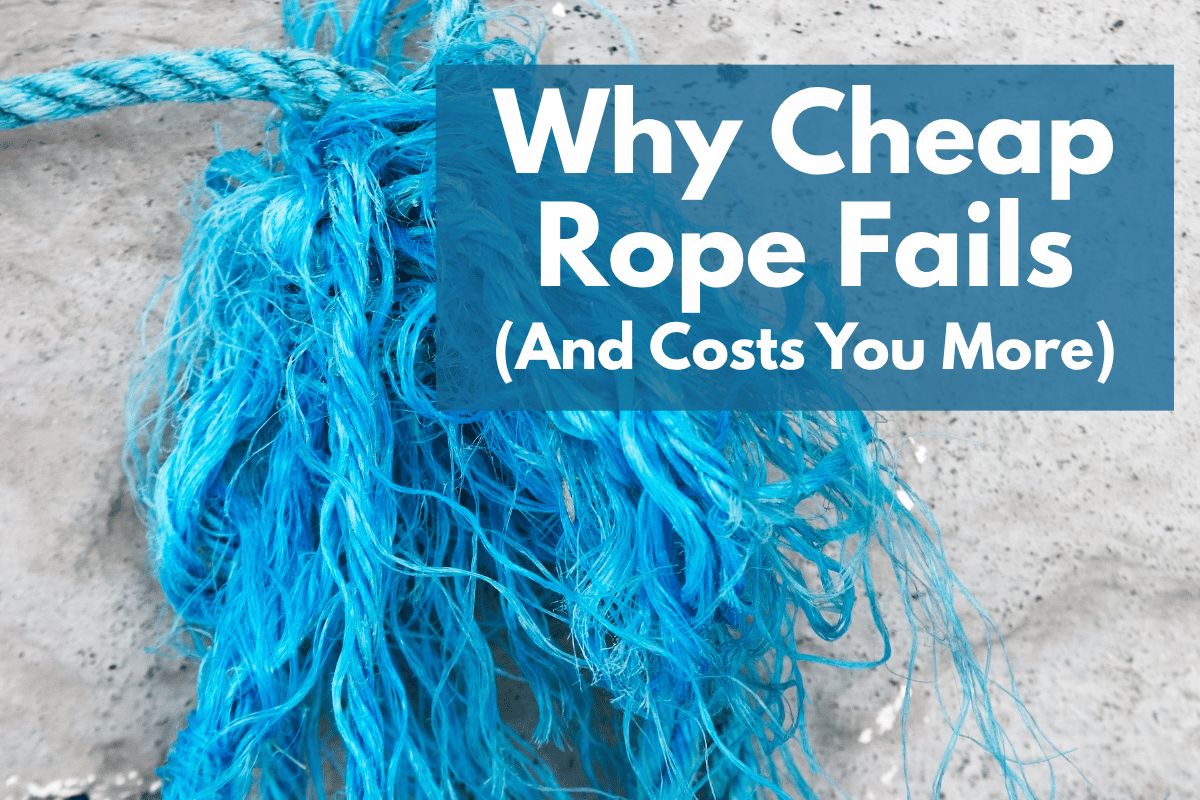
Why does cheap rope fail and cost you more in the long run?
Cheap rope fails due to weak fibers, poor UV resistance, weak abrasion protection, inconsistent stretch, and shortcuts in manufacturing. These failures lead to rapid degradation, frequent replacement, and potential damage—making cheap rope more expensive overall than quality alternatives.
Jul 13, 2026
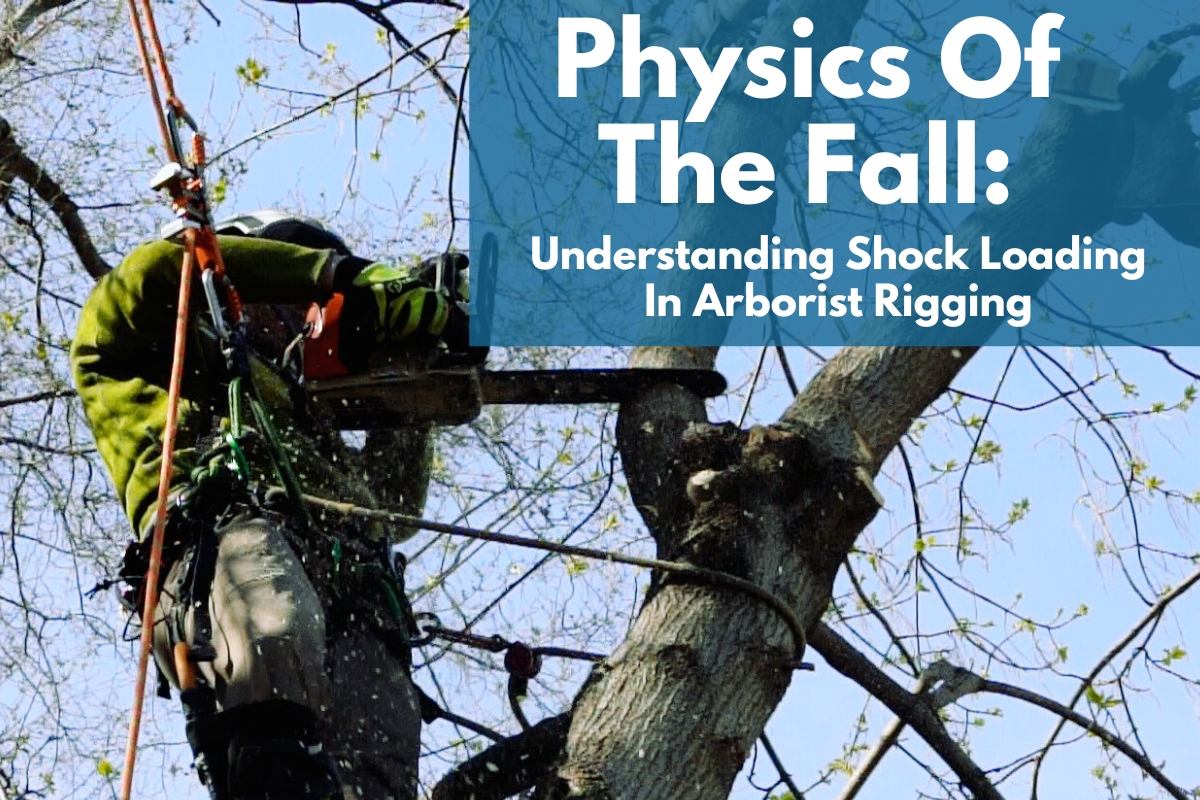
What is shock loading in arborist rigging and how do I prevent it?
Shock loading occurs when a falling log's kinetic energy converts to extreme force—often 5–10× its static weight—when the rigging line catches it. Prevent it by minimizing fall distance, using ropes with proper elongation, managing slack, employing friction devices, and regular equipment inspection.
Jul 13, 2026

How do I handle and maintain boat ropes safely?
Safe boat rope handling requires choosing the right rope diameter and material, staying clear of loaded lines, using proper knots and cleats, wearing gloves, inspecting regularly for wear, and storing rope dry. Good habits prevent injuries, equipment failure, and extend rope lifespan significantly.
Jul 13, 2026

What rope materials are safe for pets?
Pet-safe ropes should be natural, durable, and chemical-free. Solid braid cotton works well for dogs and birds, while sisal rope suits cats. Avoid manila, cheap dyed ropes, blends with synthetics, and anything that frays easily, as these pose ingestion and toxicity risks.
Jul 13, 2026

How do I calculate the safe working load I need for a rigging or lifting job?
To calculate the safe working load for a rigging or lifting job, determine the maximum load the rope will bear, then multiply that load by your required safety factor (typically 5:1 to 12:1 depending on risk level) to find the minimum breaking strength the rope must have.
Jul 8, 2026