What rope should I use for dock lines, mooring, and anchoring?
Understanding Marine Rope Performance
Not all rope is created equal. When it comes to dock lines, mooring lines, and anchor lines, choosing the wrong rope isn't just inconvenient—it can cost you time, money, and potentially your boat.
Boats are never sitting still. Even on a calm day, constant movement from wind, current, and wake creates load that transfers into your rope. A good marine rope needs to:
- Handle shock loads without breaking
- Resist UV damage from sun exposure
- Withstand abrasion from cleats and dock contact
- Hold knots and splices securely without slipping
- Behave predictably under load
This last point is where cheaper ropes fail. When people search for the best dock line rope, they're really asking: which rope absorbs shock without snapping, doesn't break down in the sun, and doesn't turn into a stiff, unusable mess after a season?
Why Nylon Rope Is the Top Choice for Dock Lines and Mooring
There's a reason you see nylon everywhere on working boats and marinas: it consistently delivers.
Nylon's natural stretch is a feature, not a weakness. When a boat pulls against a nylon line, the rope absorbs that energy instead of transferring it directly into your cleats or hardware. This reduces shock load and protects your setup over time.
For dock lines and mooring lines, high-quality double braid nylon rope is one of your best choices. The double braid construction combines:
- A strong braided core for tensile strength
- A durable outer jacket for abrasion resistance
- Longer life in real-world conditions
If you're tying up in a marina or leaving your boat on a mooring for extended periods, nylon double braid is the rope you want. It's strong, forgiving under load, and holds up season after season.
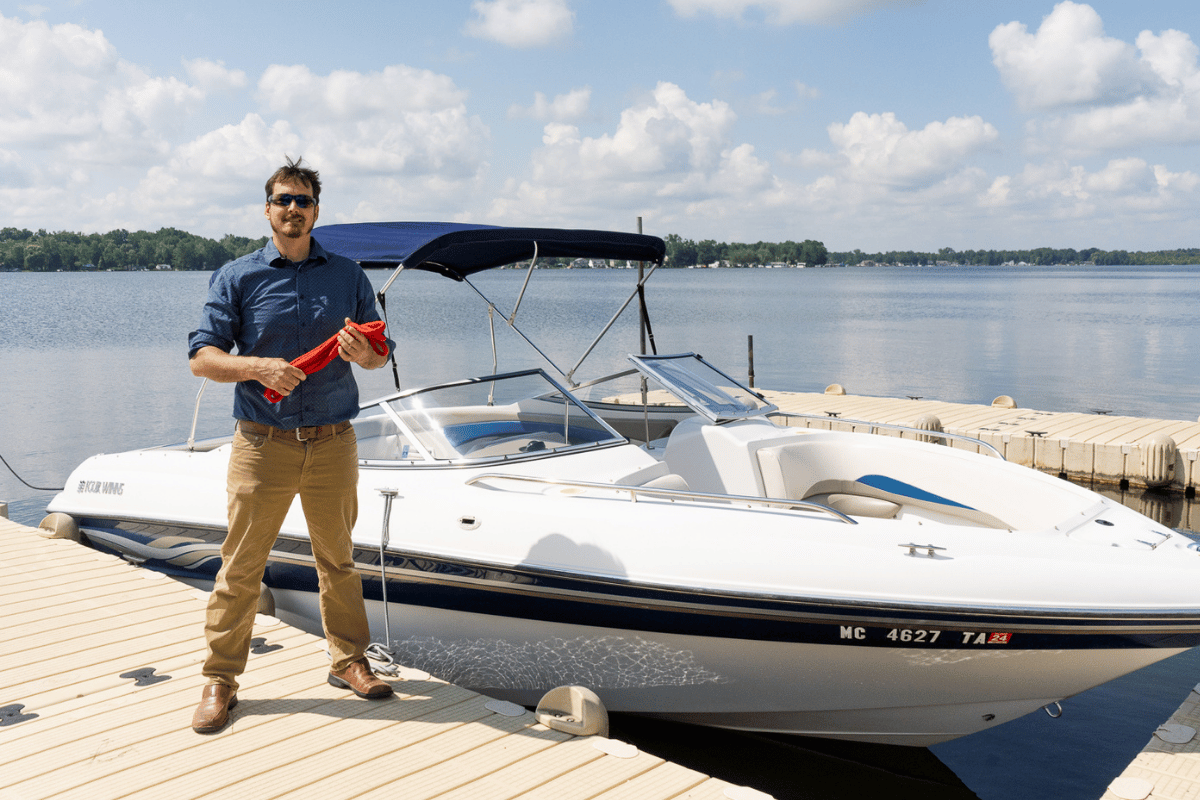
RightRope Double Braid Nylon Dock Lines combine a nylon core with a polyester cover for UV and abrasion resistance plus the elasticity of nylon. They come pre-spliced with a professionally finished eye, ready for immediate use.
When Polyester Rope Makes More Sense
Nylon isn't always the best answer. Polyester rope has much lower stretch than nylon, making it more stable and predictable. For a more detailed comparison, see polyester vs. nylon rope.
Choose polyester when:
- You want minimal line stretch and movement
- UV resistance is critical (polyester excels here)
- Control matters more than shock absorption
- You need the rope to maintain its length without "creeping" over time
Polyester is commonly used in sailing lines because it holds its shape and doesn't elongate under load. For certain mooring setups where movement is minimal and control matters more than shock absorption, polyester can be a solid option.
The Truth About Anchor Lines
Anchor lines are different from dock lines. While people often focus on strength, the equation is more complex: anchor lines need strength, flexibility, AND controlled stretch.
- Too stiff: Transfers shock directly to your anchor
- Too stretchy: Becomes unpredictable under dynamic loads
Nylon is the top choice for anchor lines because its stretch absorbs forces created by waves and current, keeping your anchor set more securely and reducing the chance of it breaking free.
Another critical factor is handling. Anchor lines need to:
- Coil easily without kinking
- Deploy smoothly
- Be comfortable to manage
Well-made braided nylon rope excels at all three. RightRope anchor lines come with a stainless steel thimble spliced into one end, ready to go straight out of the box.
The Best Option for Mooring in Rough Water
A common mistake is buying mooring lines for calm conditions. Your mooring lines will probably encounter stormy weather eventually, so plan for it.
Even with premium rope, moored boats can face chafing and cleat damage in rough water. The water doesn't pull equally on each cleat—it usually puts more force on one side. A single cleat often isn't designed to take your boat's full pulling force, so losing a cleat in rough weather isn't uncommon.
This is why the Equalizer Mooring Pendant was designed specifically for rough water mooring.
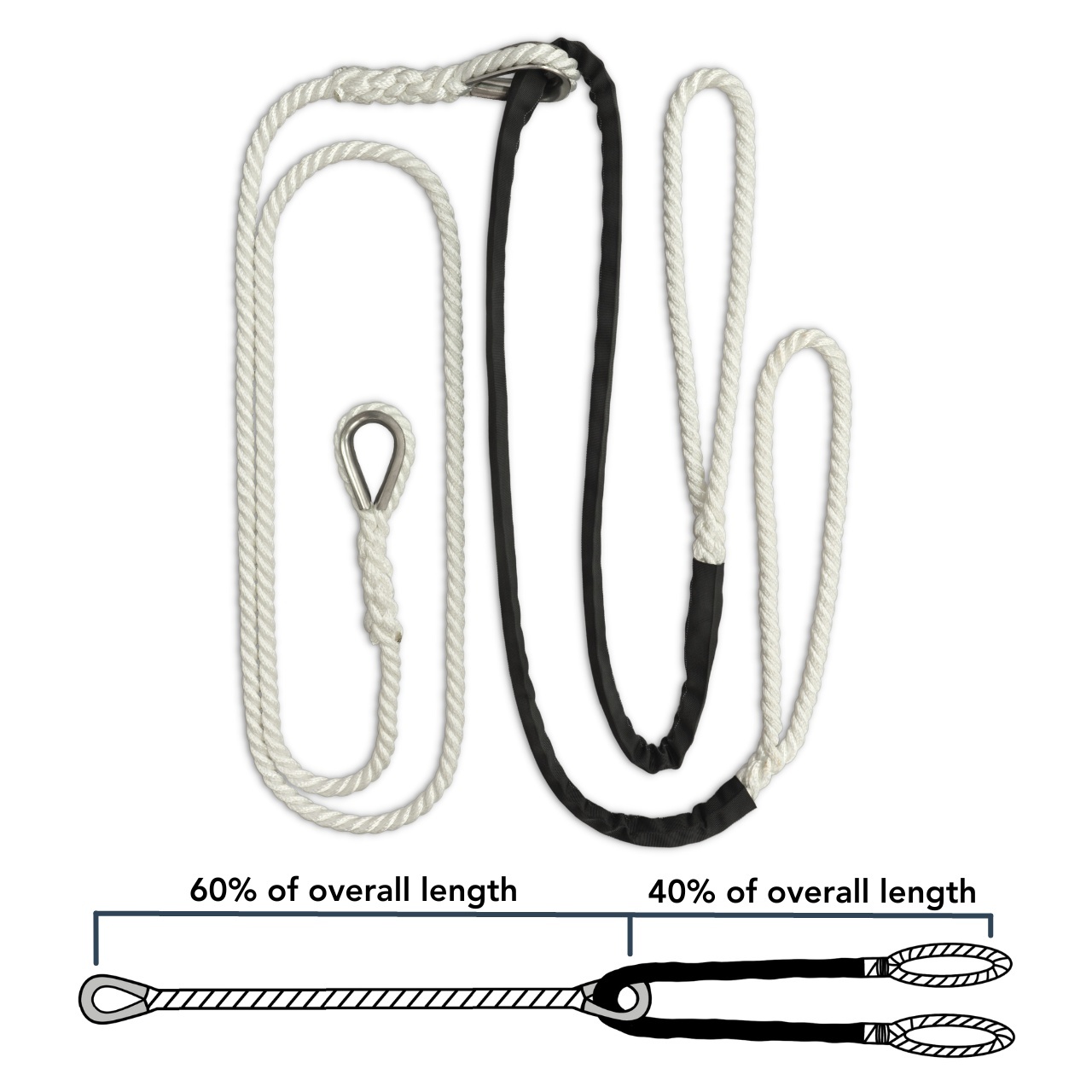
The Equalizer features:
- Two sections of double braid rope forming a Y shape
- The top (cleat side) slides through a steel thimble on the bottom
- A chafe guard protecting against rope damage
- Nylon core with polyester cover for maximum UV and abrasion resistance plus elasticity
This design equalizes wave force between two cleats, reducing stress on any single attachment point.
Why Construction Matters as Much as Material
Material is only half the story. Rope construction plays a huge role in performance.
Double Braid Construction
Double braid is ideal for marine applications because it combines:
- Braided core → tensile strength
- Braided outer jacket → durability
- Superior abrasion resistance
- Strength where it counts
We often combine nylon and polyester in double braid to get the best of both: nylon's elasticity with polyester's UV resistance. For more information, see 3-strand vs. double braid boat rope.
Twisted Rope
Twisted rope, made from nylon or polyester, is still widely used and offers:
- Lower cost than double braid
- Good stretch (especially nylon)
- Classic appearance
- A solid dock line option
However, it's more prone to unraveling if not properly finished.
Choosing the Right Rope Diameter
One of the most common questions: what size rope should you use? This is where you don't want to guess.
The diameter of your rope should match your boat's size and weight. Too thin and it lacks strength; too thick and it becomes difficult to handle and tie off.
How to Determine Correct Diameter
Start with your boat manual. Your owner's manual contains:
- Boat displacement (weight)
- Manufacturer-recommended dock line diameter
- Anchor line recommendations
- Mooring line specifications
Use the cleat length rule. A good rule of thumb is 1/8" of rope diameter for every 2 inches of cleat length:
- 6-inch cleat → 3/8" dock line
- 8-inch cleat → 1/2" dock line
- 10-inch cleat → 5/8" dock line
If your dock line is too thick for your cleat, you'll have trouble tying off, so stay close to this guideline.
For mooring lines: Upsize by one from the docking recommendation:
- 6-inch cleat → 1/2" mooring line
- 8-inch cleat → 5/8" mooring line
- And so on
Rope Diameter Reference Table
| Boat Length | Cleat Length | Dock Line Diameter |
|---|---|---|
| Under 24 ft | 6 inch | 3/8 inch |
| 25-32 ft | 8 inch | 1/2 inch |
| 33-44 ft | 10 inch | 5/8 inch |
| 45-55 ft | 12 inch | 3/4 inch |
| 46-55 ft | 14 inch | 7/8 inch |
| 56-65 ft | 16 inch | 1 inch |
For very large boats, consider UHMWPE rope, which has tensile strength greater than steel by weight while remaining lightweight enough to float.
UV Resistance: Why It Matters More Than You Think
If your boat spends time outdoors, your rope is constantly exposed to sunlight. Over time, UV rays break down fibers, weakening rope and causing it to fade, stiffen, or crack.
Polyester has excellent UV resistance—one of its biggest advantages. Nylon is slightly less resistant, but high-quality nylon ropes are built to handle extended outdoor use.
Quality makes the difference. Cheaper ropes cut corners on materials and construction, degrading much faster. A rope that looks fine on day one can become unreliable in months.
Abrasion Resistance in Real-World Use
Dock lines and mooring lines constantly rub against cleats, docks, and other surfaces. That friction wears down rope over time.
Double braid's outer jacket takes the wear, protecting the inner core and extending rope life. If you've searched "why do dock lines wear out so fast," the answer is usually abrasion combined with low-quality construction.
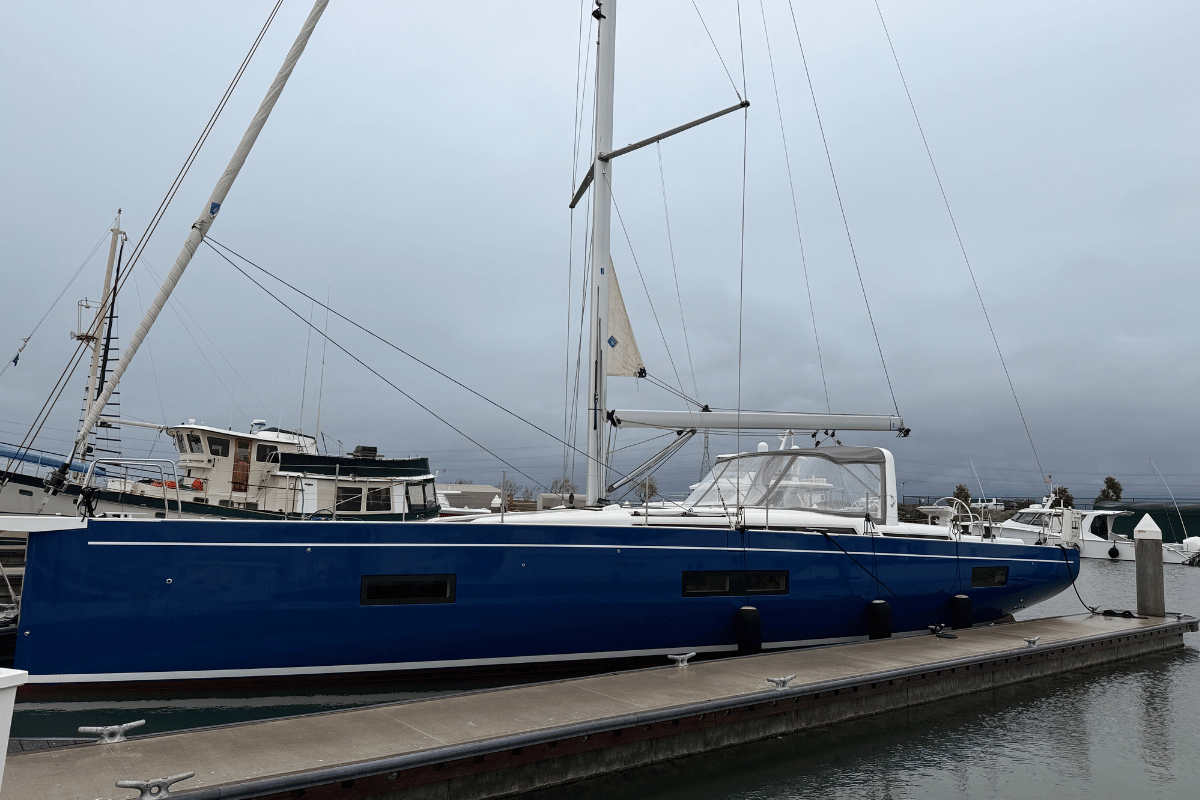
Investing in rope built to handle that wear makes a real difference in longevity and reliability.
Why Cheap Rope Ends Up Costing More
It's tempting to grab the cheapest rope available, especially when starting out. But cheap rope costs more in the long run.
Low-quality ropes typically lack:
- Proper UV protection
- Consistent strength
- Durable construction
This means:
- Replacing them more frequently
- Dealing with failures
- Risking damage to your boat
A well-made nylon or polyester rope from a reliable supplier is built to last. It performs better, lasts longer, and gives you peace of mind every time you tie off.
Common Questions About Marine Rope
What rope is best for docking a boat?
Nylon, especially double braid nylon, because of its strength and ability to absorb shock loads.
Is polyester or nylon better for mooring?
For most situations, nylon wins because of its stretch and shock absorption. Premium mooring lines use a nylon core with polyester jacket for the best of both worlds.
Can I use the same rope for anchoring and docking?
In many cases, yes—especially with high-quality nylon rope. However, matching rope to the specific job optimizes performance.
How long do marine ropes last?
Lifespan depends on use, exposure, and quality. A well-made rope that's properly cared for can last for years. Regular inspection and proper storage extend rope life significantly.
What size dock line do I need?
For detailed guidance, see what is the right size dock lines for my boat.
Bringing It All Together
Choosing the best rope for dock lines, mooring, and anchoring comes down to understanding what your rope needs to do and selecting materials and construction that handle it.
Nylon stands out as the top choice for most docking and anchoring applications because of its strength and stretch. Polyester has its place when stability and UV resistance are priorities. Construction matters just as much as material, with double braid offering one of the best combinations of strength and durability.
At the end of the day, the right rope is the one that holds up when it matters. Premium marine ropes are built with real-world use in mind—designed to handle load, resist wear, and perform consistently in the conditions boats actually face.
If you're serious about protecting your boat and making life easier at the dock, it's worth choosing rope built to do the job right the first time.
Sources
- The Best Ropes For Dock Lines, Mooring, and Anchoring