What's the difference between 3-strand and double braid boat rope?
Understanding Rope Construction
Before choosing between 3-strand and double braid boat ropes, it's helpful to understand what sets them apart at a structural level.
3-Strand Rope
This traditional rope is constructed by twisting three strands together. It's known for its elasticity, ease of splicing, and cost-effectiveness. The twisted design allows for significant stretch, which can be beneficial in absorbing dynamic loads.
On the downside, 3-strand rope can hockle if it is twisted in the opposite direction of its lay, which can permanently deform the rope.
Double Braid Rope
Also known as braid-on-braid, this rope features a braided core encased in a braided sheath. This construction offers high strength, soft lay, and a smooth, flexible feel. It's often favored for its durability and handling characteristics. It is more difficult to splice, however, so take this into consideration.
Dock Lines: 3-Strand vs. Double Braid
Dock lines are your boat's lifeline, absorbing shocks from waves and wind. Whether buying transient or permanent dock lines, you should look for roughly the same qualities—though permanent lines may benefit from a chafe guard.
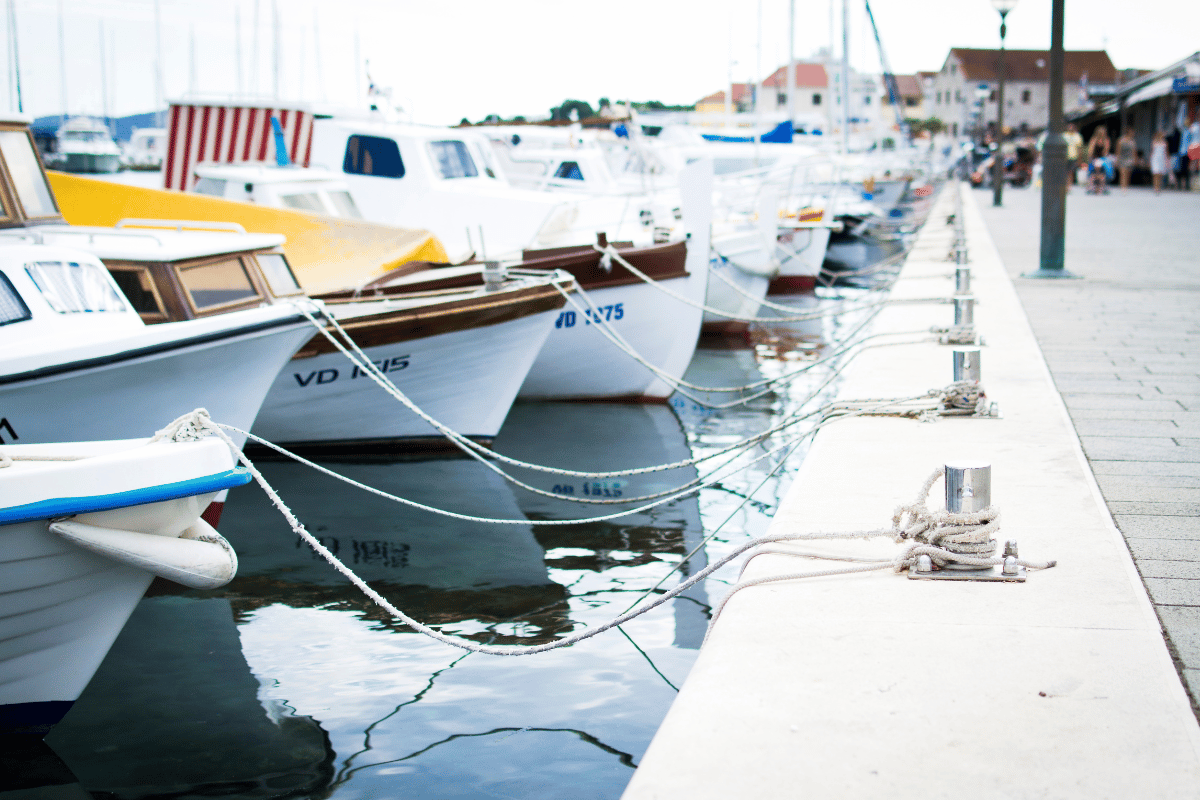
3-Strand Dock Lines
- Stretch and Shock Absorption: The inherent elasticity of 3-strand rope provides excellent shock absorption, reducing stress on your boat and dock hardware.
- Durability: This rope is known for its durability and resistance to abrasion, making it suitable for various docking conditions.
- Cost-Effective: Generally, 3-strand ropes are more affordable, making them a budget-friendly option for many boaters.
- Ease of Splicing: Splicing 3-strand rope is straightforward, allowing for easy customization of lengths and loop sizes.
Double Braid Dock Lines
- Strength: Double braid ropes offer higher strength compared to 3-strand ropes of the same diameter.
- Smooth Handling: The smooth surface is gentle on the hands and makes for easy handling and coiling.
- Torque Free: This construction does not hockle, maintaining its integrity under stress.
- Aesthetic Appeal: Double braid ropes often have a more polished appearance, which some boaters prefer.
Recommendation
For general docking purposes, 3-strand dock lines offer a balance of performance and value. However, double braid dock lines don't cost much more, and with a unique polyester cover over nylon core they offer the best durability you can find in a dock rope. For longer-lasting results, we recommend our double braid dock lines. For guidance on sizing, see "What is the right size dock lines for my boat?"
Anchor Lines: 3-Strand vs. Double Braid
An anchor line, or rode, connects your anchor to your boat and plays a crucial role in anchoring effectiveness. If using with a windlass, make sure you check your manual to see what type of rode is recommended.
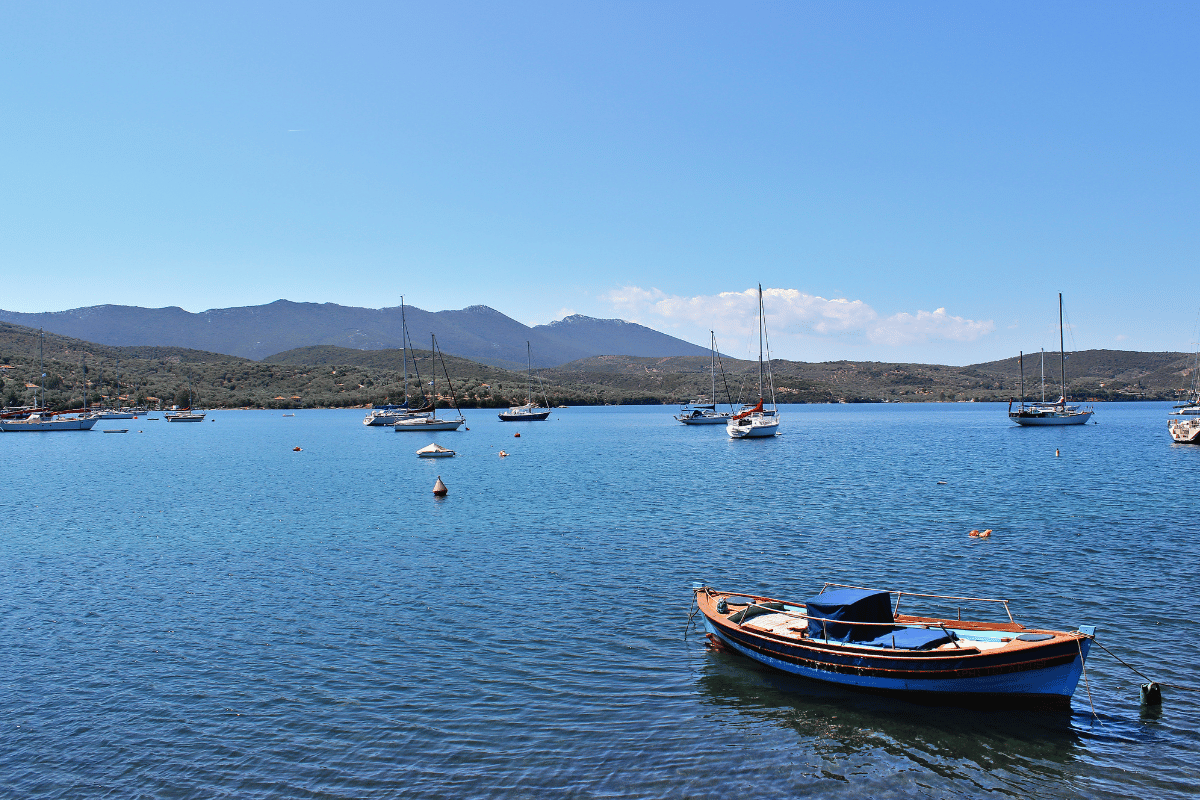
3-Strand Anchor Lines
- High Stretch: The elasticity helps absorb the dynamic loads from waves and wind, reducing strain on the anchor and boat.
- Durability: Resistant to abrasion and wear, making it reliable for anchoring.
- Ease of Splicing: Simple to splice, allowing for secure attachments and length adjustments.
- Cost-Effective: More affordable, making it a popular choice among boaters.
- Windlass Compatibility: Most Lewmar and Maxwell brand windlasses require a 3-strand or 8-strand braid rope.
Double Braid Anchor Lines
- Strength: Offers higher tensile strength, providing a robust connection to the anchor.
- Smooth Handling: Easier to handle and stow in your anchor locker, with a flexible and kink-resistant nature.
- Torque Free: Double braid won't hockle and become deformed when twisted.
Recommendation
For most anchoring situations, 3-strand anchor lines provide the necessary stretch and durability. However, if you require higher strength and less stretch, consider double braid anchor lines. Always check your windlass documentation for compatibility before purchasing.
Mooring Pendants: 3-Strand vs. Double Braid
Mooring pendants need to have a good amount of stretch, as wind and waves will typically exert considerable force on these lines. If the line cannot absorb enough shock, cleats or grommets may be damaged. All RightRope mooring lines include a chafe guard to protect the line from rubbing on the boat.
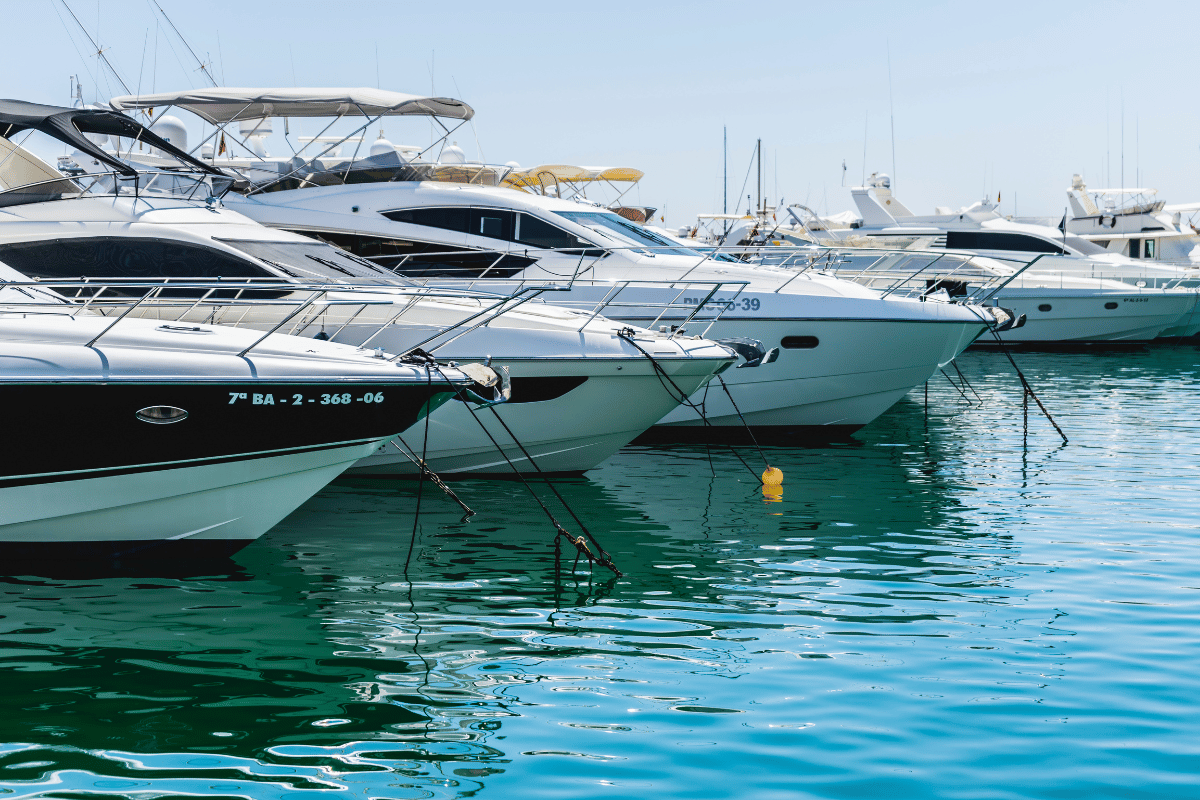
3-Strand Mooring Pendants
- Elasticity: Provides good shock absorption, reducing stress on the boat's cleats and mooring hardware.
- Durability: Capable of withstanding the marine environment, offering reliable performance.
- Ease of Inspection: The construction allows for easy visual inspection for wear and tear.
Double Braid Mooring Pendants
- Strength: Higher strength-to-diameter ratio, offering a robust connection.
- Less Stretch: Provides a more consistent length under load, which can be important in certain mooring conditions.
- Smooth Handling: Better look and feel with more color options.
Recommendation
For general mooring purposes, 3-strand mooring pendants offer a good balance of elasticity and durability. However, if you need higher strength and less stretch, double braid mooring pendants are preferable.
The Equalizer Mooring Pendant
While two standard mooring pendants might be sufficient for most situations, it's not always an ideal solution. Because wind and waves will hit your boat at odd angles, the force exerted on one line will often be much greater than the force exerted on the other. A big swell has the possibility of breaking one of your lines or ripping off a cleat.
An equalizer mooring pendant, on the other hand, is designed to distribute the load more evenly between two points on your boat, typically the port and starboard bow cleats. This setup offers several advantages:
- Balanced Load Distribution: By connecting to two points, the load is spread out, reducing strain on any single cleat and enhancing stability.
- Enhanced Security: If one connection point were to fail, the second provides a backup, offering an added layer of safety.
For those interested in this setup, equalizer mooring pendants are crafted to provide balanced load distribution and enhanced security.
Choosing the Right Boat Rope
The choice between 3-strand and double braid boat rope depends on your specific application, budget, and performance requirements. 3-strand ropes excel at shock absorption and cost-effectiveness, making them ideal for most general boating needs. Double braid ropes offer superior strength and durability, making them worth the modest additional investment for long-term use.
Whatever you choose, ensure the rope is properly sized, compatible with your equipment (especially windlasses), and regularly inspected for wear. The right rope will keep your boat safe and secure for years to come.
Sources
- What’s The Difference Between 3 Strand and Double Braid Boat Ropes?