How do I choose high-quality promanila rope that won't degrade in the sun?
What Is Promanila Rope?
Promanila is a synthetic rope made to look like natural manila. It's made from a special polypropylene fiber that's extruded, twisted, and finished to mimic the golden-tan appearance of natural hemp or manila ropes. It's popular because it keeps that classic look—perfect for rustic décor, landscaping, docks, or playgrounds—but unlike natural fiber, it doesn't rot, shed, or absorb water. That makes it great for outdoor use, especially around moisture, where manila rope would normally mildew or break down.
Common uses include:
- Landscape edging or garden fencing
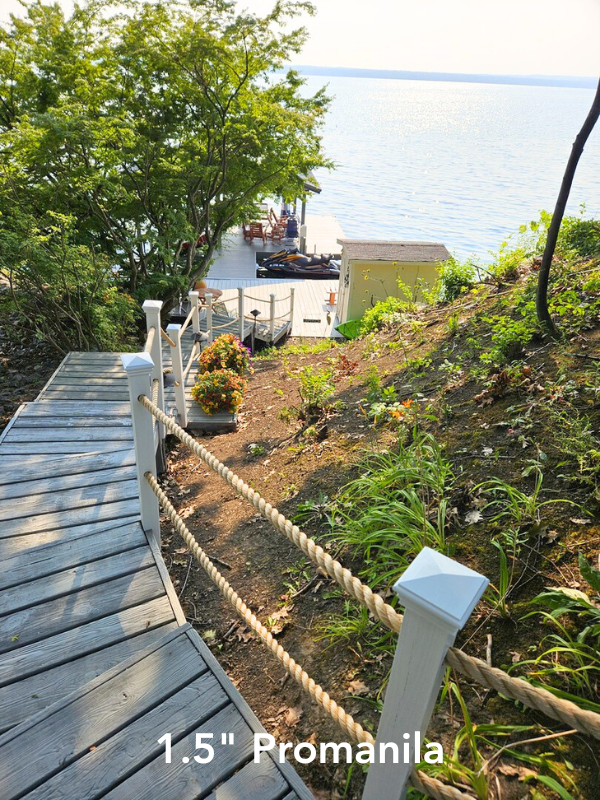
- Deck or dock railings
- Decorative posts or nautical-themed projects
- Rope handrails for stairs
- Playground equipment or swings
- Gym ropes or craft projects
Basically, anywhere you want the natural look without the hassle of rot or fraying.
Promanila vs. Natural Manila: Which Is Better?
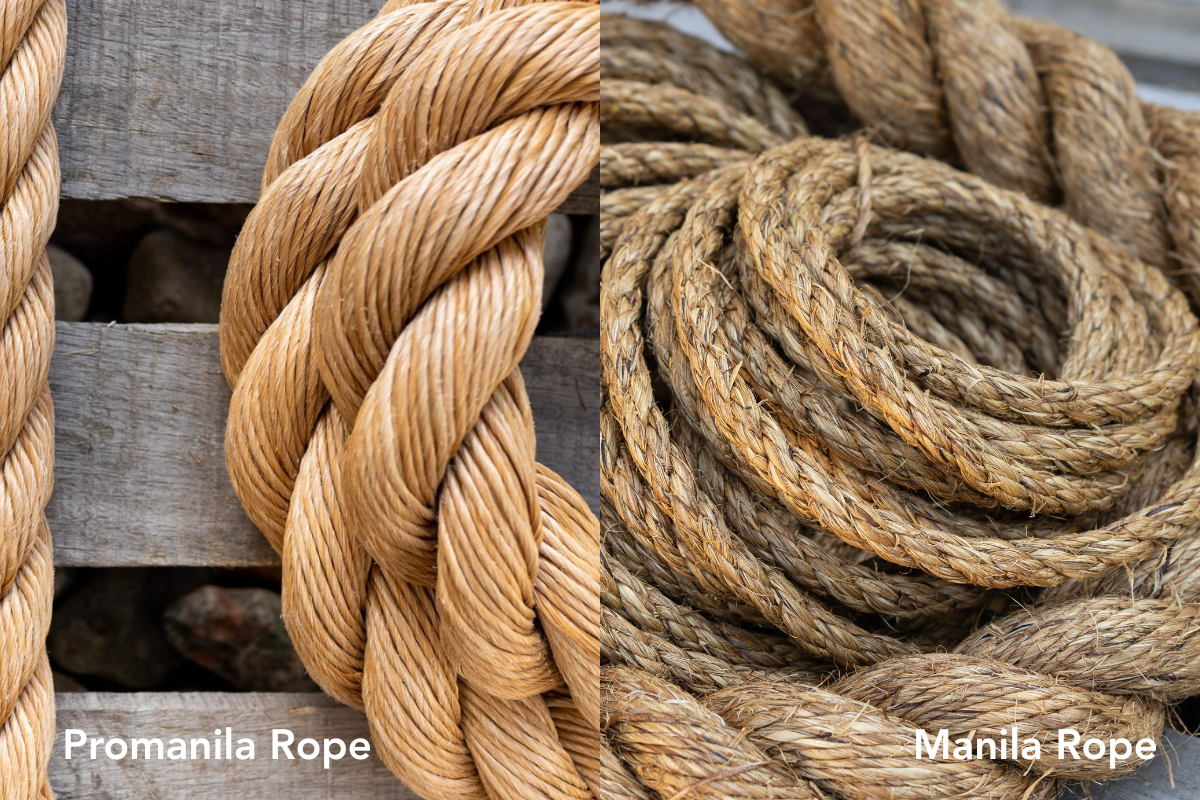
This is one of the most common questions people ask: "Should I go with natural fiber manila, or synthetic promanila?"
Choose natural manila if you want authenticity and don't mind replacing it occasionally. It's biodegradable, has a great natural smell, and works beautifully for traditional or historic projects.
Choose promanila if you want longevity and low maintenance. It doesn't absorb water, doesn't rot, and stays looking clean for years.
That said, some people have heard that promanila gets shredded in the sun, while manila holds up better in UV. There's some truth to that—but it depends entirely on the quality of the promanila you buy. Cheap imported promanila ropes often have little to no UV protection. Within a few months of full sun exposure, they start to crack and fuzz. Good promanila ropes are made with extra UV inhibitors—chemicals that act like sunscreen for the rope fibers—and those will last years outdoors before showing wear.
The Truth About UV Resistance in Promanila Rope
UV degradation is the #1 reason synthetic ropes fail outdoors. When the sun's ultraviolet rays hit the rope, they slowly break down the plastic molecules, making the rope brittle and faded. A high-quality promanila rope will be made with a UV stabilizer additive built right into the fiber, not just coated on the outside. In top-quality versions, manufacturers go even further by adding more than double the normal UV inhibitor load, giving the rope a dramatically longer life in full sunlight.
Think of it like this: cheaper rope has a light coat of sunscreen, while premium rope is made from sunscreen inside and out.
Here's what sets the good stuff apart:
✔ Extra UV inhibitors – More than double the normal amount used in generic ropes.
✔ Solid color all the way through – Not just surface-dyed, so scratches or wear don't reveal bright white plastic underneath.
✔ Smooth, tightly twisted fibers – Less surface area exposed to sunlight means slower degradation.
✔ Stays flexible for years – Doesn't stiffen or crack even in hot, dry conditions.
When you buy the right promanila, you don't have to worry about it getting shredded in the sun. It'll easily outlast natural manila in most climates.
How Long Does Promanila Rope Last Outside?
In typical outdoor use, high-quality promanila rope can last 5–10 years or more, depending on your climate and how it's used.
- In moderate northern climates, where the sun isn't as intense, it can last a decade with minimal fading.
- In southern or equatorial regions, constant direct UV exposure will shorten that lifespan—but you can still expect several good years if you buy a UV-protected brand.
By comparison, natural manila rope exposed to rain or waves might start rotting or losing strength in as little as a year or two.
If you're in a high-UV environment—say, Florida, Texas, or the Caribbean—you might even want to step up to polyester rope, which is the most UV-resistant synthetic rope available. But for most homeowners, contractors, or landscapers, a top-quality promanila hits the perfect balance between price, looks, and durability.
What Makes a Promanila Rope "High Quality"?
Here are the main things that separate a good promanila rope from a cheap one:
1. UV Resistance
This is the big one. You want a rope that specifically advertises enhanced UV inhibitors. Some manufacturers go the extra mile by adding secondary stabilizers—a second ingredient that dramatically improves the rope's lifespan under sunlight.
2. Consistent Color and Texture
Cheaper ropes are often blotchy or streaked in color, sometimes even slightly translucent. Premium promanila has a rich, matte finish that looks just like real manila fiber.
3. Tightly Twisted Strands
Loose or poorly twisted strands make a rope look fuzzy and fray more easily. A well-made rope should have firm, consistent tension throughout.
4. Made in the USA
Domestic manufacturing tends to use higher-grade resins and tighter quality control. Many imported ropes are made from low-grade polypropylene and lack any UV additives.
5. Accurate Diameter and Strength
A cheap 1-inch rope might actually measure 7/8″ or less when you caliper it. High-quality rope will be true to size and strength-rated consistently.
Common Questions About Promanila Rope
Is promanila waterproof?
Yes—completely. It doesn't absorb water at all, so it won't swell, rot, or get heavy when wet. That's one of its biggest advantages over natural fiber.
Can you tie knots easily in promanila?
Yes. It ties very similarly to natural manila. The surface texture has enough grip to hold knots well, and it doesn't slip like smoother plastic ropes do.
Does promanila float?
Yes—it's made from polypropylene, which is naturally buoyant. That makes it great for docks, marine use, or any situation where floating rope is helpful.
Can promanila be used indoors?
Absolutely. It's great for gyms, climbing ropes, rustic interior décor, or anywhere you want that old-school manila look without shedding fibers.
What sizes does promanila come in?
Most commonly from 1/4″ up to 2″ diameter, though some suppliers offer up to 4″ diameter. It's available by the foot or by full coils—depending on your project size.
What If I Need Ultimate UV Resistance?
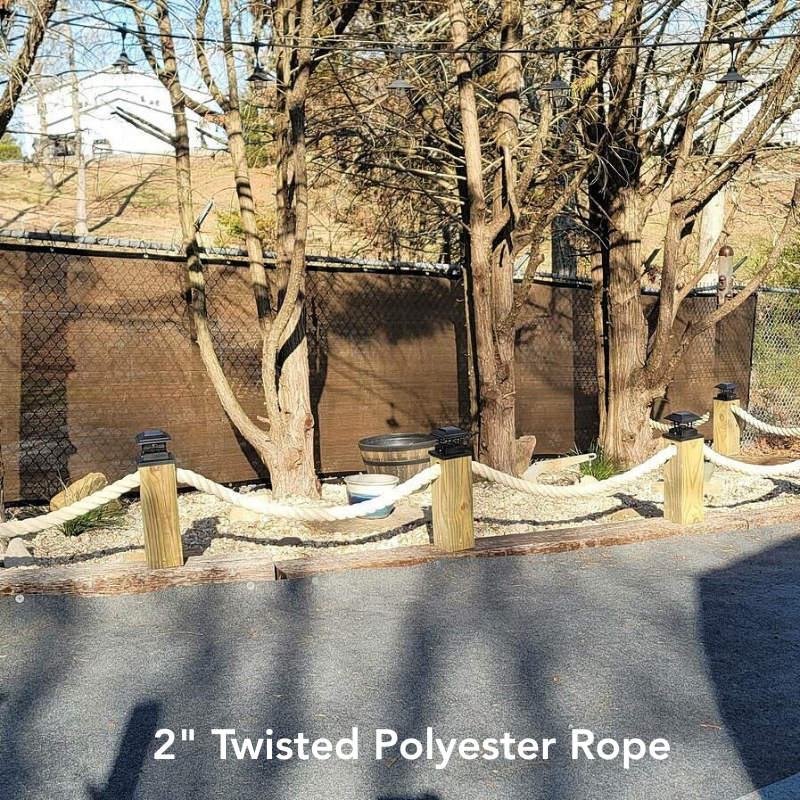
If you're in a place with extreme sunlight exposure—like southern Florida, Arizona, or near the equator—you might consider skipping polypropylene altogether and going with polyester rope. Polyester rope has the best UV resistance of any rope fiber. It won't fade or weaken even under intense sun. It's also more abrasion-resistant than polypropylene.
That said, it doesn't quite have the same classic look as promanila, and it costs a little more. So if the rustic appearance is important, go with a UV-enhanced promanila. If you want something that will last 15+ years outdoors, go polyester.
Where to Buy High-Quality Promanila
You can find promanila rope at hardware stores, marine suppliers, and online rope specialists. If you want the good stuff, look for companies that manufacture their own rope or source from trusted U.S. producers. Big-box stores and online marketplaces often sell imported, low-grade versions that may look good out of the box but won't hold up in real outdoor use.
A reputable rope company will stock promanila made with premium polypropylene and extra UV inhibitors—the kind designed to last. When you're shopping, it's worth paying a little more upfront for a rope that will actually last several years rather than needing to replace it every summer.
Final Thoughts
If you've ever spent time replacing frayed or faded rope on a deck, dock, or playground, you already know that saving a few bucks on cheap rope isn't really saving at all. High-quality promanila rope gives you the look of natural manila without the rot, and when it's made right—with more than double the UV inhibitors—it can handle years of sun, rain, and weather without breaking down.
So next time you're shopping for promanila, remember to look for:
- UV-stabilized fibers
- Consistent color and tight twist
- Made in the USA (when possible)
- True-to-size diameter and solid specs
Buy once, and enjoy rope that actually lasts.
Sources
- Where Can I Get High-Quality Promanila That Won't Shred In The Sun?