Should I use HMPE synthetic rope or steel cable for my winch?
HMPE vs. Steel Winch Cable: Why Synthetic Wins
If you've worked around trucks, trailers, or recovery rigs, you know the unmistakable sound of steel winch cable—heavy, stiff, and prone to fraying into sharp "fish hooks" that shred gloves and skin. For decades, greasy steel wire was the only option. But in 2026, High Modulus Polyethylene (HMPE, also called UHMWPE) has shifted from a luxury upgrade for off-roaders to a mechanical necessity for anyone who values safety, durability, and practicality.
If you're still using fifty pounds of steel on your rig's front end, it's time to understand why synthetic is the smarter choice.
Weight Savings That Actually Matter
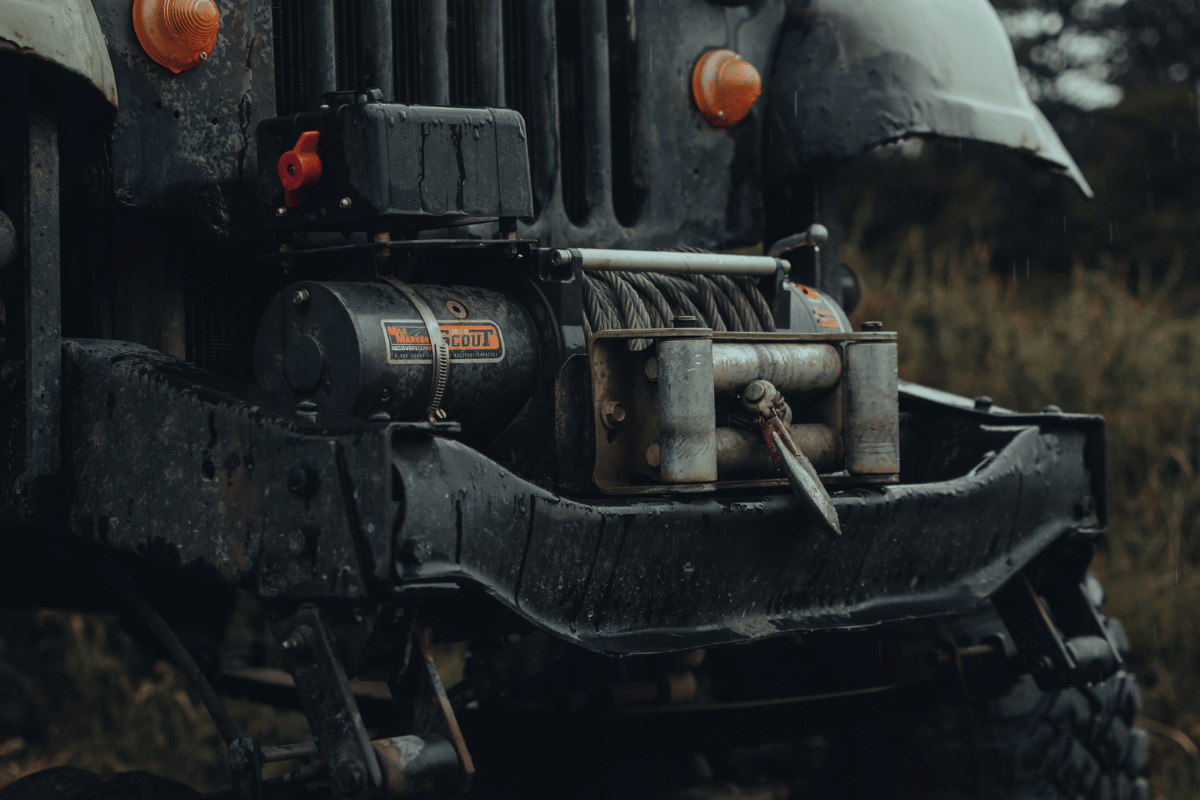
The most obvious advantage is weight. Swapping a steel cable for HMPE (such as Dyneema or Spectra) cuts approximately 85% of the weight off your winch:
- Steel cable: 30–40 pounds
- HMPE equivalent: ~5 pounds
This isn't just about convenience in the shop. When weight hangs from your vehicle's front bumper, it directly impacts:
- Suspension geometry and wear
- Tire wear patterns
- Fuel economy
You're effectively removing a massive sledgehammer from your front end.
Real-World Benefits During Recovery
The practical advantage emerges when actually using the winch. Hauling a heavy steel cable up a muddy hill or through deep snow to reach an anchor point is exhausting. HMPE is so light it floats on water. You can toss it over your shoulder like a garden hose and run it to your tree strap without breaking a sweat. The entire operation becomes faster and far less physically demanding.
Safety: Where HMPE Truly Excels
Weight is convenient, but safety is where synthetic rope proves its real value.
The Steel Cable Problem
Steel cable acts as a spring. Under tension, it stores massive kinetic energy. When a steel line snaps, that energy releases instantly, sending a heavy metal whip flying through the air with violent, unpredictable force. Snapped steel cables have:
- Shattered windshields
- Bent or destroyed grill guards
- Caused severe lacerations and amputations
Why HMPE Is Safer
HMPE behaves completely differently. Because it's lightweight and has minimal stretch, it doesn't store dangerous recoil energy. If a synthetic line breaks, it typically just drops to the ground—it lacks the mass to create a deadly whip.
Best practice: You should still use a winch damper (it's the right way to work), but the baseline risk with HMPE is a fraction of what it is with steel.
Bonus: HMPE has no wire burrs. You can handle a quality HMPE line with bare hands if necessary without risk of infection or injury.
Total Cost of Ownership
Yes, HMPE costs more upfront than steel cable. But evaluating the full lifecycle tells a different story.
Why Steel Gets Expensive
Steel cables are prone to kinking. A permanent kink becomes a weak point that eventually fails catastrophically. Steel also rusts from the inside out, especially in salt or mud environments, requiring regular inspection and replacement.
HMPE's Durability Advantage
HMPE doesn't rust, kink, or corrode. With proper care (keep it clean and protected from sun when not in use), a synthetic line easily outlasts two or three steel cables. Many professionals find the per-year cost of HMPE is actually lower because they aren't replacing it every time it snags or develops surface rust.
Additional savings:
- No torn gloves from wire burrs
- No dented bodywork from snapback damage
- No internal corrosion inspection costs
Maintenance and Realistic Limitations
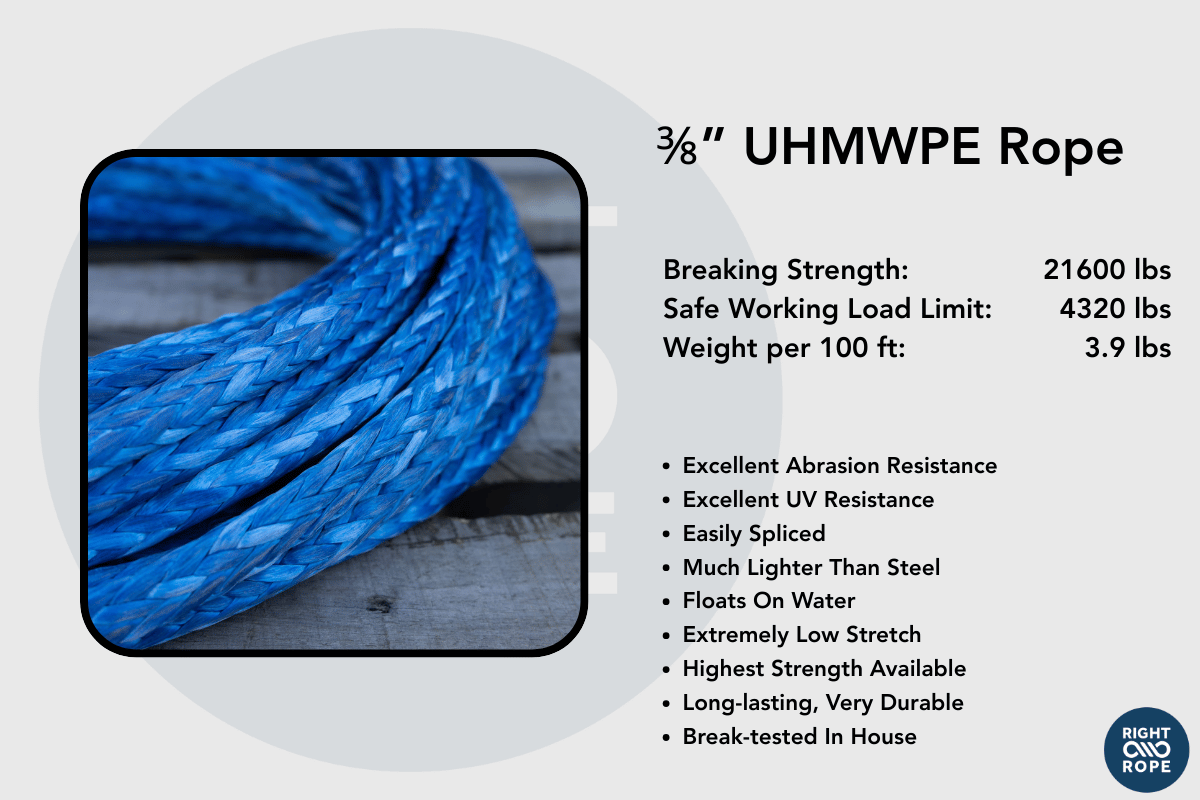
HMPE isn't indestructible—it has specific enemies and requirements.
Primary Concerns: Heat and Abrasion
Heat sensitivity:
- Melting point: ~290°F
- Operating limit: Below 212°F (boiling point)
- Prolonged exposure above 212°F can damage fibers
If your winch drum generates significant heat during extended use, steel may be the better choice.
Abrasion:
- Always use a chafe guard when dragging line over sharp rocks or rough surfaces
- Avoid running rope across concrete edges or similar abrasive points
Simple Routine Care
HMPE maintenance is straightforward:
- After muddy work, spool the line out completely
- Rinse with a garden hose to remove grit from the fibers
- Let it dry
- Store clean and protected from UV
No messy lubricants or grease required—one of HMPE's greatest advantages over steel.
Field Repairs
If your line breaks in the field, you can perform a "long splice" to get moving again. Try that with a snapped steel cable on a mountainside.
Why Industry Standards Are Shifting to HMPE
HMPE has become the standard in maritime, utility pulling, and off-road recovery because it performs better across multiple dimensions:
- Spools flatter on the drum with consistent lay
- Doesn't nest or dive into lower layers under load (unlike steel)
- Remains flexible even in freezing temperatures
- No corrosion cycle requiring maintenance
- Safer failure mode with no snapback risk
In the past, we used steel because alternatives didn't exist. Today, the technology has matured, and there's no reason to settle for gear that's heavier, more dangerous, and requires more maintenance.
The Bottom Line
Whether you're a weekend warrior or use your winch daily for work, upgrading to HMPE is one of the best investments you can make for your rig:
- ✓ 85% lighter weight
- ✓ Fraction of the snapback risk
- ✓ No rust or corrosion
- ✓ Simple maintenance
- ✓ Better long-term value
At the end of the day, we're all trying to get the job done and get home safe. HMPE makes that significantly easier and safer.
Sources
- Synthetic vs. Steel: The 2026 Case for HMPE Winch Lines