What rope is best for tug of war?
What Rope is Best for Tug of War?
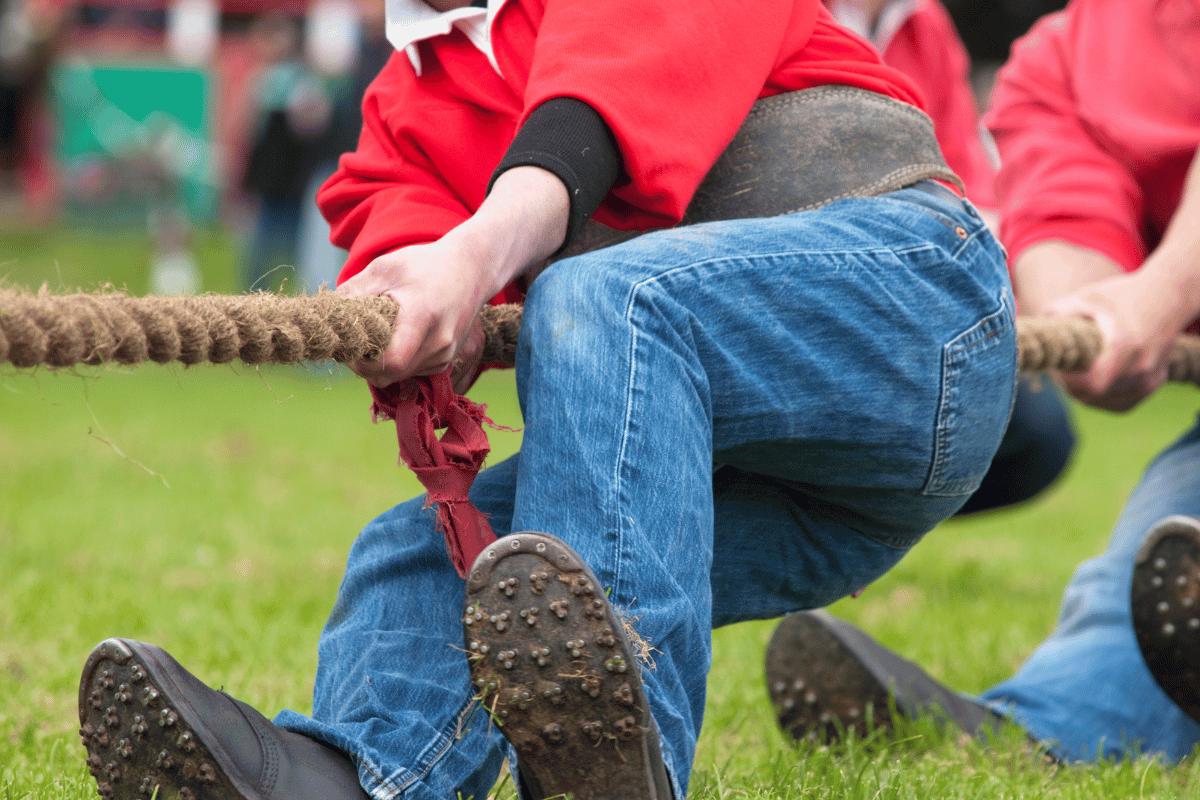
When organizing tug of war—whether for a school field day, team-building event, summer camp, or competitive tournament—the rope you choose directly impacts safety, performance, and enjoyment. The wrong rope leads to rope burn, broken fibers, blisters, or mid-game snapping. The right rope provides grip, strength, and safety for a smooth competition.
Why the Right Tug of War Rope Matters
Many people assume "any rope will do"—but this thinking leads to broken ropes, splinters, and frustrated players. Tug of war creates extreme strain on rope, and improper material, size, or construction risks:
- Rope burn from rough or sharp fibers
- Snapped ropes during heavy pulls
- Injuries from poorly chosen diameters or slippery coatings
- Low performance because the rope is hard to grip
The best tug of war rope is comfortable to hold, strong enough to withstand extreme tension, and safe for all ages.
Best Materials for Tug of War Rope
1. Manila Rope (Best Overall Choice)
Price: $2.20 per foot (1.5" diameter, 50 ft)
Pros:
- Excellent grip with natural texture
- Durable and classic appearance
- Ideal for schools, camps, and outdoor tournaments
Cons:
- Can shed fibers and cause splinters if not handled properly
- Tougher on hands than softer materials
Manila is a natural fiber rope used for tug of war for decades. Its slightly rough texture provides non-slip grip—crucial when hands get sweaty. It's strong enough to handle pulling force without excessive stretching.
At the recommended 1.5-inch diameter, manila has a safe working load limit (SWLL) of up to 3,330 lbs, safely accommodating around 22 competitors without risk of breaking. Although the break point reaches 16,650 lbs (roughly 110 competitors), consider Polyester rope for larger competitions.
2. Double Braid Polyester Rope (Best for Durability & Weather Resistance)
Price: $7.48 per foot (1.5" diameter)
Pros:
- Smooth finish and weather-resistant
- Resists UV damage, mold, and rot
- Minimal stretch
Cons:
- More difficult to grip
- Only available in 1.5-inch diameter
Polyester ropes are built for longevity and ideal for outdoor events where ropes may get wet or stored in damp places. Double-braided polyester balances grip and strength effectively.
With a SWLL of 14,000 lbs, double-braid polyester safely handles around 90 competitors without failure risk—making it superior for professional-level events.
3. Promanila Rope (Best Price at Stronger Performance)
Price: $2.20 per foot
Pros:
- Durable and strong with natural appearance
- Rot resistant and smooth (no splinter risk)
- Double the SWLL of manila rope
Cons:
- More difficult to grip than manila
- Risk of rope burn from sliding hands
Promanila is a synthetic rope combining toughness with a natural look. It's ideal for professional events and strongman competitions requiring maximum strength.
With a SWLL of up to 6,115 lbs, promanila safely accommodates about 40 competitors without failure risk.
Choosing the Right Diameter
Rope thickness is as important as material. Too thin and it cuts into hands; too thick and it becomes impossible to grip properly.
Recommended diameters:
- 1.5" (38mm): Standard for most tug of war competitions
- 2" (50mm): For a thicker, more challenging rope
For most situations, a 1.5-inch manila or polyester rope is the sweet spot—thick enough to grab comfortably but not so large that smaller hands struggle.
How Long Should a Tug of War Rope Be?
The official length for competitive tug of war rope is 110 feet. This allows extra room for every player to move and dig in. We recommend approximately 6 feet of rope per adult competitor, though you can manage with as little as 3 feet per competitor depending on your event intensity.
Length guidelines by group size:
| Number of Players | Recommended Length |
|---|---|
| Kids (6–10 players) | 35–50 ft |
| Small groups (8–12 players) | 75 ft |
| Standard competitions (14–20 players) | 90–110 ft |
| Large events | 110+ ft |
Tip: If you plan to reuse your rope for multiple events, buy longer than needed. You can always shorten the playing length, but you cannot extend rope later.
Braided vs. Twisted Rope for Tug of War
Two main rope constructions serve tug of war:
Twisted Rope
- Classic look and lighter weight
- Usually cheaper
- Can cause more rope burn if fibers are coarse
- Easier to splice and repair
Braided Rope
- Smoother, softer feel on hands
- More durable and resistant to fraying
- Better for children and those with sensitive hands
For most applications, twisted rope works fine. For children or participants with sensitive hands, braided rope is preferred.
Safety Tips for Tug of War Ropes
Choosing the right rope means keeping participants safe, not just ensuring strength and grip.
1. Avoid Thin Ropes
Ropes under 1" diameter put excessive pressure on hands and increase injury risk.
2. Check for Sharp Fibers
Old, frayed manila ropes can shed splinters. Sand rough spots or choose a smoother braided rope.
3. Inspect Before Every Use
Look for fraying, broken strands, or soft spots indicating weakening fibers. For detailed guidance, learn how to clean, store, and inspect your ropes to keep them in good condition.
4. Ensure Adequate Rope Length
A short rope bunches competitors together, risking injuries from falls or flailing. Longer ropes allow safe movement without collision risk.
Frequently Asked Questions
What's the official size for tug of war ropes?
For international competitions, ropes are typically about 100 feet long and 1.5 to 2 inches in diameter. For casual games, you can scale down accordingly.
Can I use a climbing rope for tug of war?
Technically yes, but it's not ideal. Climbing ropes are designed to stretch for shock absorption, which works against you in tug of war where you need minimal stretch and maximum grip.
Should I choose natural or synthetic rope?
Natural fibers (like manila) provide better grip, while synthetic fibers (like polyester) last longer and handle wet weather better. Your best choice depends on your environment and frequency of use.
How do I store my tug of war rope?
Keep rope dry, coiled, and out of direct sunlight. For manila ropes, store in a cool, dry place to prevent mildew. For synthetic ropes, avoid extreme heat to prevent fiber weakening.
Our Recommendation: The Best Tug of War Rope Setup
For most events—schools, summer camps, community gatherings, or company picnics—the best all-around setup is:
- Material: Manila rope
- Diameter: 1.5 inches
- Length: 110 feet
- Construction: Twisted (classic)
For professional-level competitions, maintain the same specifications but consider polyester if outdoor storage or wet-weather use is expected.
Final Thoughts
Tug of war is a timeless game that brings people together, but only with the Right Rope. A strong, comfortable, and safe rope means fewer injuries, fewer frustrations, and more fun for everyone. Pick the right rope once, and you'll have equipment that lasts for years of competitions and memories.
Sources
- What Rope is Best For Tug Of War? Everything You Need To Know To Pick The Right Rope