What pull tape strength do I need for my electrical project?
What Is Pull Tape?
Pull tape, also known as mule tape, is a flat woven polyester tape used to pull electrical wire, fiber optic cable, and communication lines through conduit. It is stronger and more versatile than many people realize. Unlike round rope, pull tape lays flat, resists twisting, and glides smoothly through conduit.
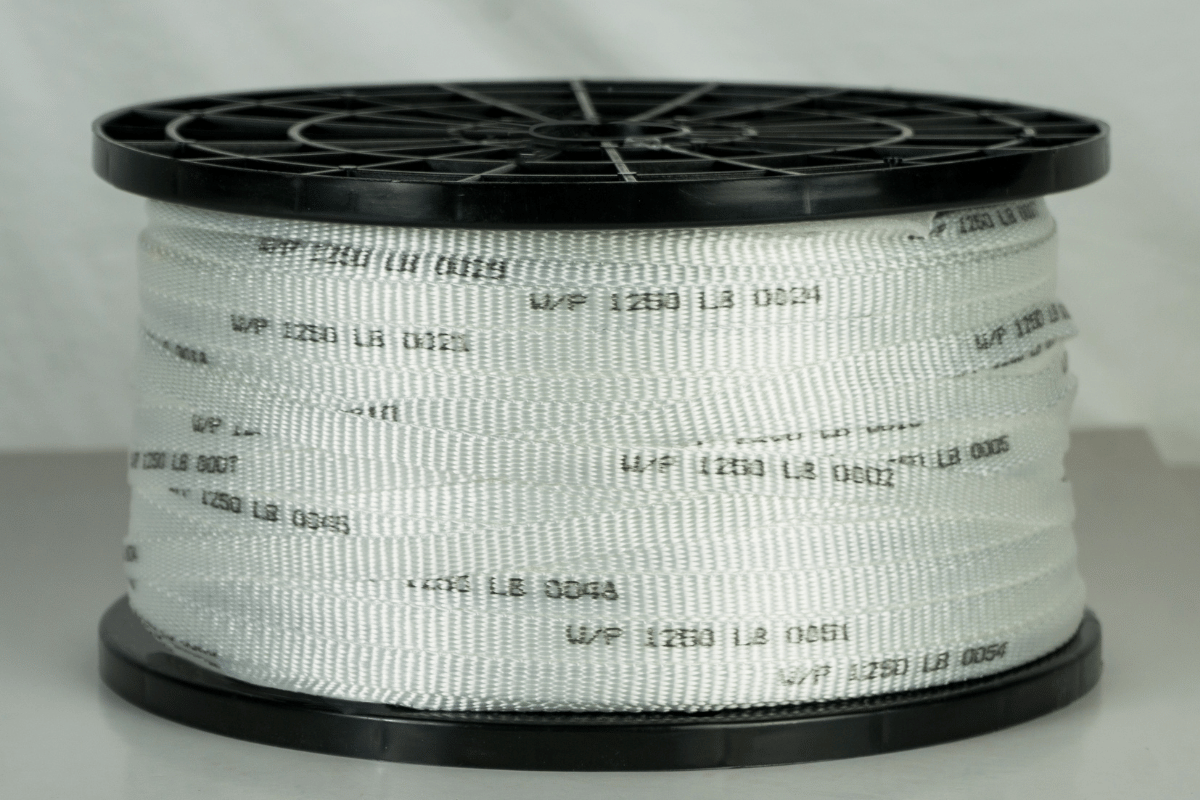
Most pull tape includes sequential footage markings so you always know exactly how much tape has been fed into the conduit and how much cable you will need. Some pull tape also has conductivity built in, so you can locate a pull easily with underground locating equipment.
Why Pull Tape Strength Matters
The number printed on pull tape refers to its tensile strength—the amount of force it can withstand before breaking under controlled conditions. This rating gives you a practical idea of which tape is appropriate for different kinds of conduit pulls:
- Short straight runs with a few conductors create relatively little tension
- Long underground runs with multiple bends and large feeder cables generate tremendous pulling forces
Choosing the right strength means selecting a tape that is appropriate for the jobs you perform most often. You should never pull right up to the rated strength; instead, use the rating as a guide for selecting appropriate tape for your specific application.
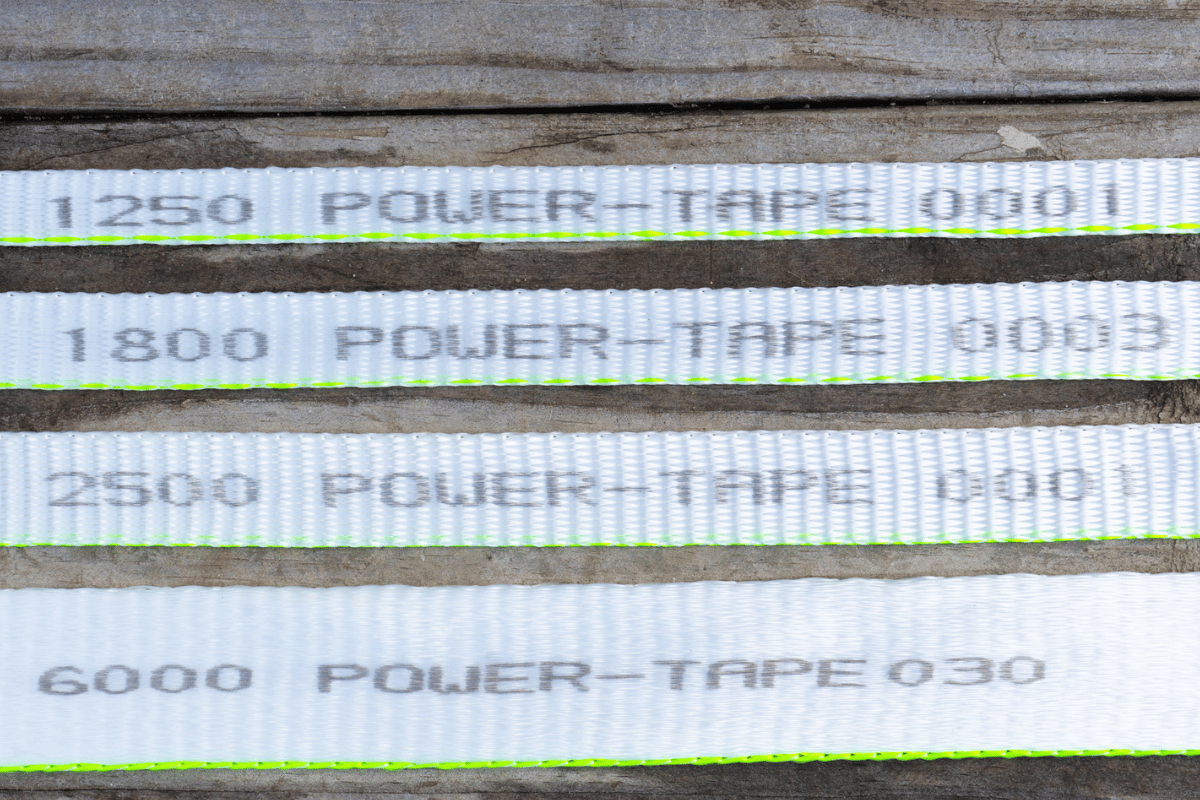
Pull Tape Strength Comparison
1250 lb Pull Tape: Residential and Light Commercial
Best for: Residential electricians, maintenance crews, and DIY users
1250 lb pull tape is one of the most popular options for residential work. If you are pulling branch circuits, low-voltage cable, security wiring, or moderate conductors through relatively straightforward conduit runs, 1250 lb mule tape is often plenty strong.
This strength is ideal for contractors who want professional-grade pull tape without overbuying. It is also an excellent choice for smaller shops and homeowners tackling serious electrical projects.
1800 lb Pull Tape: The Smart Step Up
Best for: Contractors balancing residential and commercial work
1800 lb pull tape fills a useful middle ground. Many electricians find that 1250 lb works well for most residential jobs, but they want extra strength for longer runs, larger conductors, and more demanding commercial pulls.
1800 lb pull tape offers a noticeable increase in capacity while remaining easy to handle and cost-effective. For small to mid-sized contractors, this is often the best balance of strength, versatility, and price. If your work includes both residential and commercial projects, this may be the ideal all-around choice.
2500 lb Pull Tape: The Contractor Workhorse
Best for: Commercial contractors and everyday versatility
2500 lb pull tape is where things get serious. This is the strength many electrical contractors choose as their standard because it handles a wide range of commercial and industrial applications with ease.
If you are pulling larger feeder conductors, multiple wires, or working on longer conduit runs with several bends, 2500 lb pull tape gives you an extra margin of confidence. For contractors who want one pull tape that can handle almost anything they encounter in day-to-day work, 2500 lb mule tape is hard to beat.
6000 lb Pull Tape: Heavy-Duty Industrial and Utility
Best for: Utility work, substations, and major installations
6000 lb pull tape is designed for the toughest jobs in the field. Large industrial installations, utility work, substations, and long underground conduit runs can create significant pulling tension.
In these situations, a high-strength pull tape provides both durability and peace of mind. Even if your pulling equipment limits the actual force used, a 6000 lb mule tape offers exceptional resistance to wear and a substantial safety margin. If your crew regularly handles major commercial or utility projects, 6000 lb pull tape is the professional choice.
Quick Selection Guide
| Application | Recommended Strength | Why |
|---|---|---|
| Residential branch circuits, low-voltage cable | 1250 lb | Economical, sufficient for light loads |
| Mixed residential/light commercial, longer runs | 1800 lb | Extra capacity without heavy-duty cost |
| Commercial work, large feeders, multiple bends | 2500 lb | Versatile workhorse for varied jobs |
| Utility, industrial, substations, long pulls | 6000 lb | Maximum strength for heavy-duty loads |
Why High Quality Pull Tape Matters
Not all mule tape is created equal. Low-quality pull tape may have inconsistent weaving, spotty lubrication, unreliable strength ratings, and stretching and fraying during use.
High-quality pull tape is built from durable woven polyester and designed to withstand real jobsite conditions. The footage markings remain legible use after use, the tape resists twisting, and the tensile strengths are dependable. This means smoother pulls, fewer headaches, and more confidence on every job.
Buying Pull Tape: Quantities That Work for Your Business
You do not have to be a giant electrical contractor to get professional-grade pull tape. If you are a small contractor, maintenance department, or dedicated DIYer, you can buy manageable quantities without sacrificing quality.
You get the same dependable mule tape used by larger contractors, but in quantities that make sense for your business.
Bulk Discounts and Strategic Purchasing
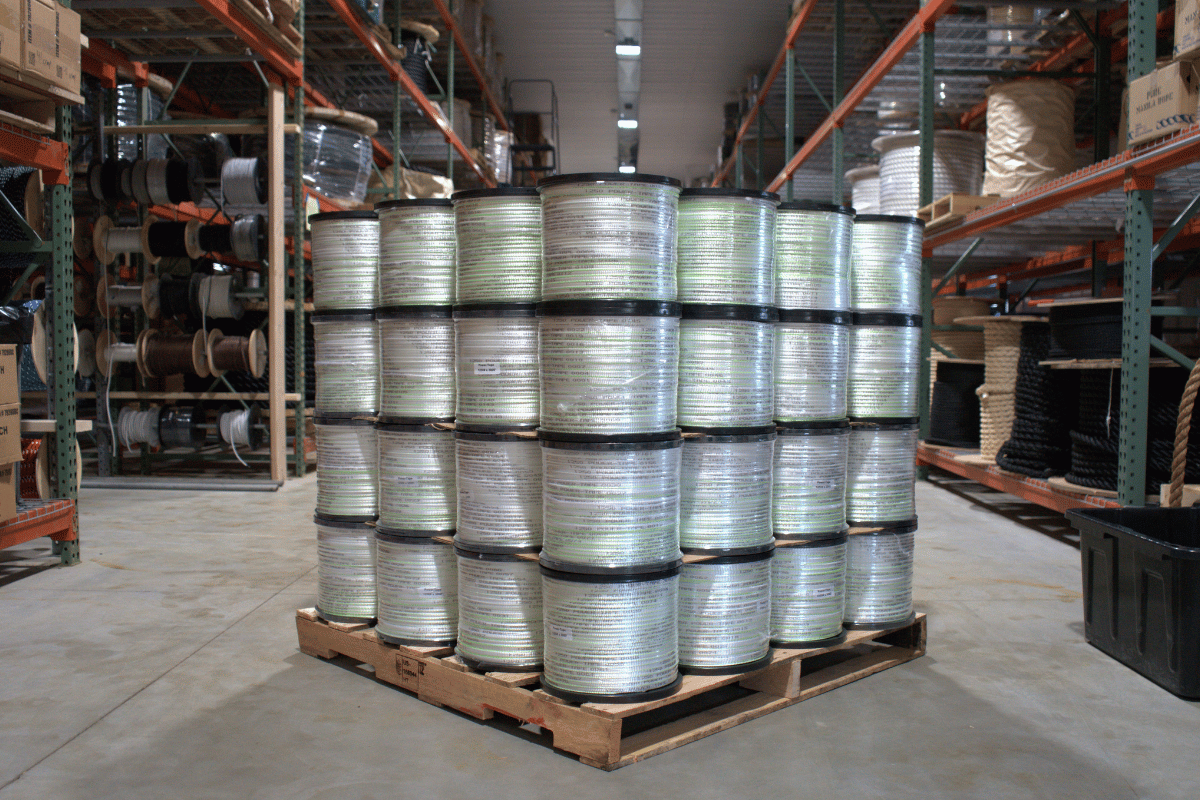
For established contractors, buying pull tape in bulk is one of the easiest ways to lower material costs. If you can estimate your usage six to eight months ahead, wholesale pull tape often provides significant savings per roll.
Many contractors also use the fourth quarter to stock up on supplies they know they will need early in the following year. This can be a practical way to reduce taxable income while ensuring warehouse shelves are fully stocked when work ramps up again.
Note: Every business should consult its accountant, but from a practical standpoint, buying several months of mule tape before year-end can be a smart move.
The Bottom Line
Choosing the right pull tape strength saves time, prevents broken pulls, and keeps your jobs moving. Select too light a tape and you may end up stretching it, fraying it, or pushing it beyond its intended limits. Select too heavy and you spend more than necessary.
Like most things in the electrical trade, the sweet spot depends on the kind of work you do every day:
- 1250 lb for residential and light commercial jobs
- 1800 lb for contractors wanting more versatility
- 2500 lb for commercial electricians and everyday use
- 6000 lb for industrial and utility applications
No matter which strength you choose, quality matters. You will find high-quality mule tape for every type of customer, from DIY users buying a single roll to contractors purchasing enough inventory to cover the next six to eight months. Buy the right pull tape once, and your conduit pulls will be smoother, faster, and far less stressful.
Sources
- What Strength Pull Tape Do I Need? (1250 lb vs 1800 lb vs 2500 lb vs 6000 lb)