What is pull tape and when should I use it instead of fish tape or rope?
What Is Pull Tape?
Pull tape is a flat-woven polyester tape designed specifically for pulling electrical wire, telecom cable, or fiber optic lines through conduit. Unlike traditional round rope, pull tape lays flat, which gives it a huge advantage: less friction, better handling, and less chance of damage during a pull.
Most high-quality pull tape comes pre-lubricated to help it glide through conduit, and it's usually marked with footage so you can measure as you go.
Why Is It Called Mule Tape?
There are a few theories as to why pull tape is often called mule tape, but no one really knows for sure. It may have been a brand name that stuck, much like how facial tissues are often called Kleenex, even though Kleenex is a brand, not a product. Others claim that mule tape got its name for mule-like qualities such as strength, reliability and pulling power.
Either way, whether someone calls it pull tape, mule tape, or conduit pulling tape, they're all talking about the same thing.
How Strong Is Pull Tape?
Pull tape is usually sold by strength instead of width. Here's a basic chart:
| Width | Tensile Strength |
|---|---|
| 1/2" | ~1,250 lbs |
| 5/8" | ~1,800 lbs |
| 3/4" | ~2,500 lbs |
| 1¼" | Up to 6,000 lbs |
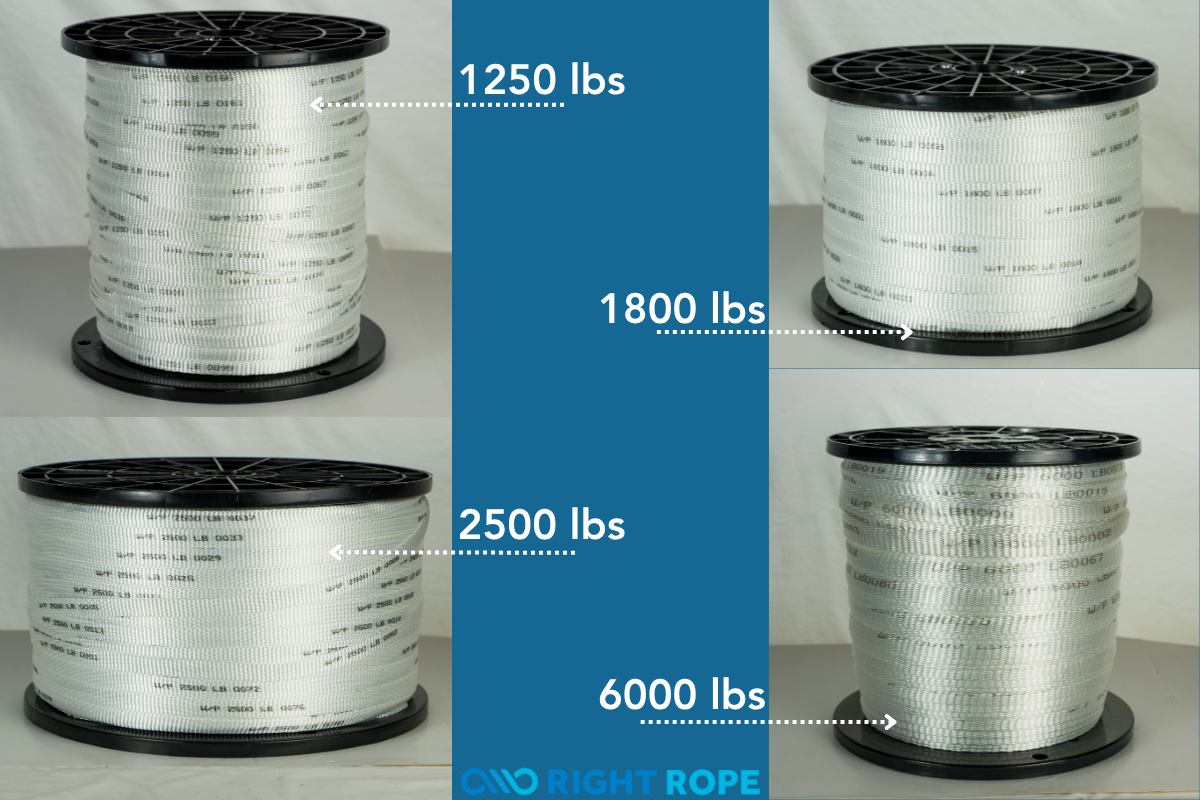
Choosing the right strength depends on your job. If you're pulling heavier cable, working over long distances, or going through multiple bends, it's smart to size up. Aim for at least 25% more tensile strength than your estimated pulling force.
Pull Tape vs. Fish Tape, Jet Line, and Rope
Here's why professionals prefer pull tape for most serious wire-pulling jobs:
Flat = Less Friction The flat profile glides through conduit more smoothly than rope or jetline.
High Strength Pull tape is stronger than fish tape or string lines, especially for long pulls with heavy cable.
Footage Markings Built-in measurements help you know exactly how much cable you've pulled—no guesswork.
Easy on Hands It doesn't bite into your palms like thin wire or twine.
Bends? No Problem Fish tape can get kinked and even break off on longer runs. Jet line can cut into the PVC on bends. Pull tape won't do either.
Packs Small Even long lengths store neatly and don't tangle like rope.
If you're doing a short run in straight pipe, fish tape or jetline might do the trick. But for anything bigger or more complicated, pull tape is the better tool, hands down.
Does Pull Tape Stretch?
Nope, or at least not much. Low-stretch polyester is part of what makes pull tape so reliable. You won't get that rubber band effect that you sometimes see with pulling rope. That's a big deal when you're trying to apply steady tension and avoid damaging your cable.
Can You Reuse Pull Tape?
Technically, yes. Pull tape is pretty tough stuff, especially if it's polyester with good abrasion resistance. But after a hard pull, you should inspect it closely. Frayed or stretched tape should be tossed—no sense risking damage to your cable or gear.
What Size Pull Tape Should I Use?
Here's a quick guide based on job type:
- 1/2" tape – Short residential runs, low-voltage wire
- 5/8" tape – Most medium-sized commercial jobs
- 3/4" or 1¼" tape – Long conduit pulls, telecom bundles, large copper cable
Rule of thumb: if you're unsure, go with the stronger size. It won't cost much more and can save you big headaches.
Can You Use Pull Tape for Other Applications?
Absolutely. People use pull tape for all kinds of creative stuff:
- Hanging bear bags or tarps
- Lightweight tie-downs
- Clotheslines
- Emergency lashings
- DIY pulley systems
- Pull tape horse halters
Just remember: don't trust it with your life. It's not climbing-rated or made for personal fall protection. Great for camping, terrible for rappelling.
Common Questions About Pull Tape
What is the difference between pull tape and fish tape?
Fish tape is usually a narrow steel or fiberglass tool used for fishing wire through short conduit runs. Pull tape is a stronger, flat polyester tape used for pulling heavier cables through longer, more complex conduit paths.
Is mule tape/pull tape better than pulling rope?
It depends on the pull and the rope. Pull tape has lower friction and a great strength-to-weight ratio, but it only reaches 6,000 lb breaking strength. For pulls 6,000+ lbs, wire pulling rope is better suited. At the high end, a 1" rope has a breaking strength of 42,000 lbs—way more than any pull tape can offer.
Can you use pull tape with a winch?
Yes. Many contractors use pull tape with powered cable tuggers or winches, especially for large or multi-cable pulls. Just make sure your tape is rated for the load, and always use proper knots and safety precautions.
How do you store pull tape?
Keep it dry and coiled on a spool or reel. It's best not to wad it up in a bucket, although many contractors probably do and get away with it. Keep it out of the sun and away from moisture. Clean storage keeps the tape smooth and ready for the next job.
Choosing and Buying Pull Tape
When shopping for pull tape, look for:
- Made in the USA construction
- Proper tensile strength rating for your job
- Pre-lubrication for smooth pulls
- Footage markings for measurement
- A supplier that understands professional cable work and offers a range of sizes and strengths
If you know you'll use pull tape regularly, bulk ordering can save you significant money. Many contractors order by the pallet, get substantial discounts, and pay all shipping costs at once—a real money-saver if you use pull tape all year long.
Final Thoughts
Pull tape is one of those tools that doesn't get much attention until you try to do a big job without it. Whether you call it mule tape, cable pulling tape, or flat polyester line, this stuff is built to make wire pulls faster, easier, and safer. If you're tired of fighting with old rope or fish tape that gets jammed every few feet, it might be time to upgrade your gear. Grab the right size, tie it off properly, and pull with confidence.
Sources
- Do I Need Pull Tape, Fish Tape, Jet Line or What?