How do I choose and buy the best wire pulling rope?
What Is Wire Pulling Rope and Why Does Quality Matter?
Wire pulling rope is a specialized type of synthetic rope used to pull electrical or communication cables through conduit, duct, or trench. It's commonly used by:
- Electricians
- Utility contractors
- Telecom installers
- Directional drilling crews
- Industrial maintenance technicians
Because it's often used to pull thousands of pounds of wire over long distances, quality matters more here than in almost any other rope application. The wrong rope can stretch, snap, fray, or even damage your cable. And when you're on a job site with deadlines and labor costs stacking up, failures get expensive fast.
What Makes a Good Wire Pulling Rope?
There are a few key things you should be looking for when sourcing your wire pulling rope:
1. High Strength and Low Stretch
You need a rope with serious tensile strength, but not at the expense of control. Look for ultra-low-stretch fibers like Polyester or UHMWPE (Ultra High Molecular Weight Polyethylene), which deliver the power without the bounce.
2. Durability
Good pulling rope should resist:
- Abrasion from conduit edges or winch pulleys
- UV and chemical exposure
- Moisture and mildew (especially for outdoor jobs)
3. Slick Finish
The rope should feed smoothly and cleanly through conduit without snagging or overheating.
4. Uniform Construction
This is where things can go wrong if you're not careful. Inconsistent weaves, loose fiber finishes, or cut corners in manufacturing can lead to soft spots or weak areas that fail under load.
What to Avoid: Common Problems with Budget Pulling Rope
If you've used cheaper ropes from big box stores or mega-catalog suppliers, you've probably run into issues like:
- Rope that arrives looking frayed or uneven
- Coils that don't pull smoothly because of inconsistent twist
- Fibers that stretch under tension, making it harder to control your pull
- Inflated strength claims that don't hold up in the field
- Backorders and drop-shipping delays that throw your schedule off
What Makes Premium Wire Pulling Rope Different?
High-Tenacity Double Braid Construction
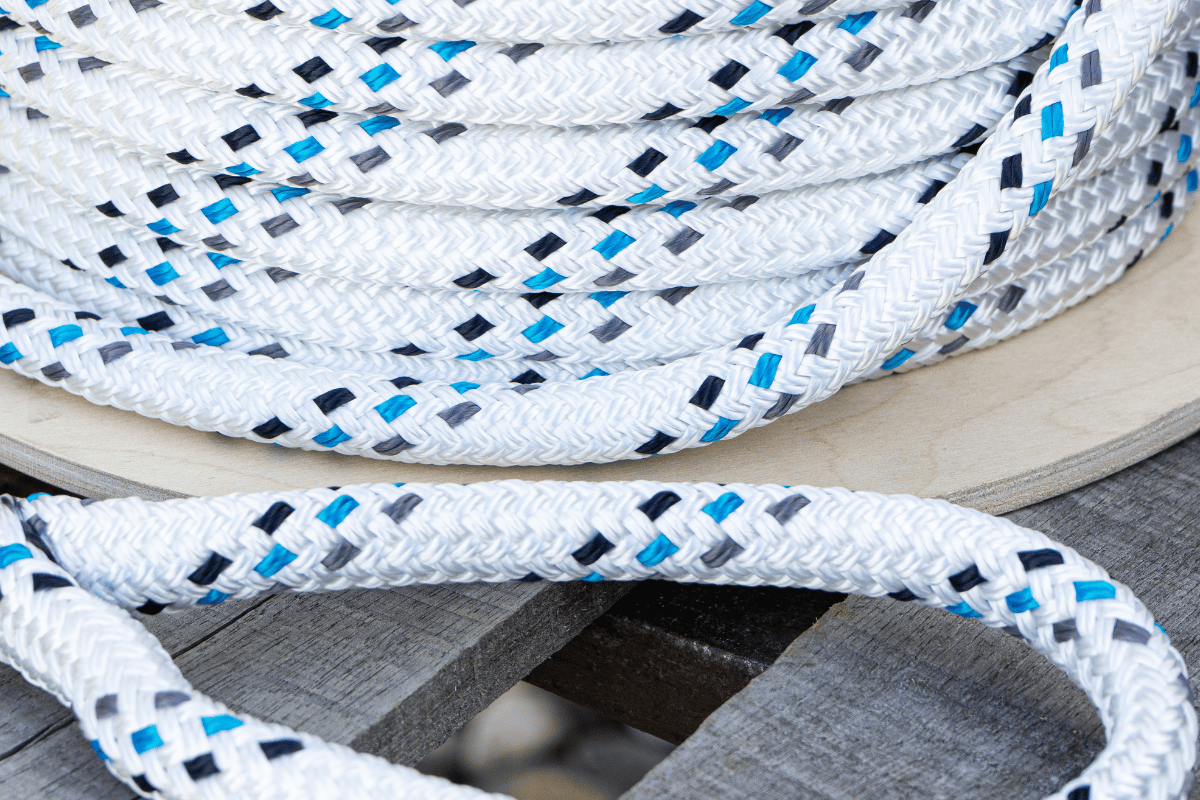
Premium wire pulling rope is built using a high-tenacity double braid design, manufactured to exacting standards. This construction delivers exceptional tensile strength with very low stretch, making it ideal for high-load applications on professional-grade pullers and winches, like those from Greenlee, Porta-Pull, itoolco, and more.
Engineered for Strength, Durability, and Control
These ropes are designed to exceed industry pulling specifications, offering the highest breaking strengths available. With a slick, tightly braided jacket, they provide:
- Excellent abrasion resistance
- UV protection
- Chemical resistance
- Smooth feeding without snagging
- Torque resistance
- Control you can count on in the field
Verified Performance, Not Inflated Claims
Some rope sellers advertise inflated strength numbers that don't hold up in the field. Quality suppliers have break-tested their wire pulling ropes in-house, so you can count on actual performance, not just sales pitch.
Available in Multiple Sizes
Popular pulling rope sizes include:
- 3/8"
- 1/2"
- 5/8"
- 3/4"
- 1"
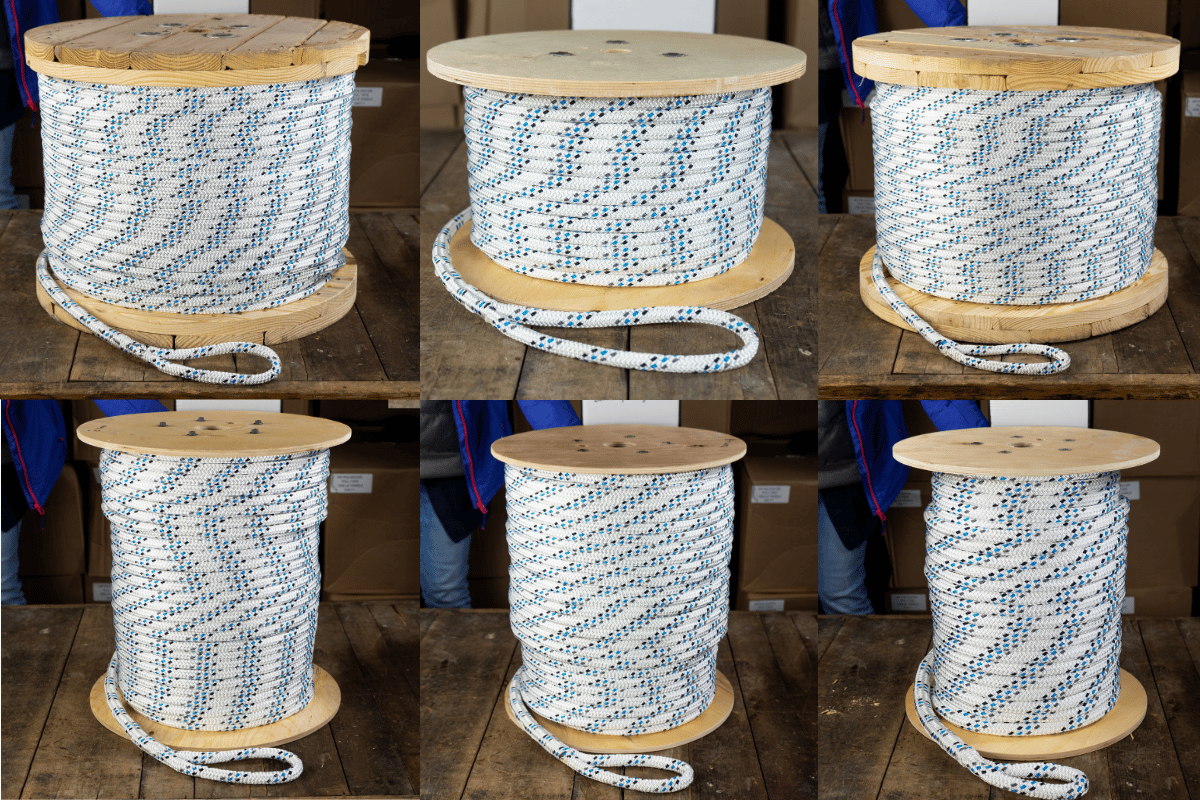
With lengths available from 200 ft up to 5000 ft, you can get exactly what you need for the job without having to double up short spools or splice together ropes.
How to Choose the Right Wire Pulling Rope Size
| Application | Recommended Diameter | Why? |
|---|---|---|
| Light residential pulls | 3/8" | Strong enough, flexible, easy to work by hand |
| Commercial or long conduit runs | 1/2" or 5/8" | Higher strength, works with winches |
| Industrial or utility jobs | 1" | For the biggest pulls, max strength and control |
If you're not sure what size you need, reach out to a rope supplier's team for guidance.
Real-World Applications
Quality wire pulling rope has been used successfully by:
- Electrical contractors pulling miles of conduit through commercial builds
- Utility companies running power through underground ducts
- Low-voltage installers setting up massive fiber backbones
- DIY homeowners upgrading service lines or trenching wire to a new building
The Importance of Fast, Reliable Shipping
One of the biggest pain points professionals face is ordering rope from a "big supplier" only to find it backordered, drop-shipped, or simply late. When you're on a deadline, delays compound costs immediately.
The best suppliers:
- Keep popular wire pulling ropes in stock and ready to ship
- Process orders same-day
- Offer next-day and expedited shipping options for tight deadlines
- Ship directly from their own warehouse, not through third-party vendors
Pricing: Built for Pros, Affordable for Everyone
You don't have to be a commercial contractor to benefit from professional-grade wire pulling rope. Quality suppliers offer rope that's:
- Strong enough to handle winches and tension pulls
- Flexible enough to pull by hand when needed
- Durable enough to use again and again, not a single-use rope
- Priced fairly without marketing bloat or unnecessary middlemen
This approach benefits:
- Homeowners doing a service upgrade or outbuilding install
- Farmers running electrical to a barn or irrigation controller
- Small businesses wiring up a new shop or warehouse
- Maintenance crews handling regular upgrades or trench work
Why Some Suppliers Can Offer Better Prices
It's not a secret. Suppliers that offer the best value on wire pulling rope typically:
- Don't spend money on unnecessary branding campaigns
- Stock and ship directly (no third-party warehouses)
- Keep operations simple and efficient
- Pass savings straight to the customer
Final Thoughts
If you're asking where to get the best price on wire pulling rope, here's what you really need:
✔ Rope that's strong, slick, and reliable
✔ Fast shipping—no delays, no excuses
✔ Pricing that makes sense, not padded with marketing fluff or middlemen
When you're ready to order, look for a supplier that keeps things simple: high-performance rope, ready to ship, at competitive pricing. Your job site can't afford delays or failures—make sure your rope supplier can deliver on both counts.
Sources
- Where Can I Get the Best Wire Pulling Rope At The Best Price?