Synthetic vs. Steel: The 2026 Case for HMPE Winch Lines
Estimated 0 min read
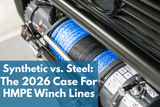
If you have been around trucks, trailers, or recovery rigs for any length of time, you know the sound of a steel winch cable. It is heavy, it is stiff, and when it starts to fray, it turns into a bundle of "fish hooks" just waiting to tear up your leather gloves or your palms. For decades, that greasy steel wire was the only way to get a job done. But things have changed. As we roll through 2026, the shift toward High Modulus Polyethylene, or HMPE, (also called UHMWPE) has moved from a "nice-to-have" luxury for off-roaders to a mechanical necessity for anyone who values their back, their gear, and their safety. If you are still lugging around fifty pounds of steel on the front of your rig, it is time we had a talk about why synthetic is the smarter play.
The Weight Savings are No Joke
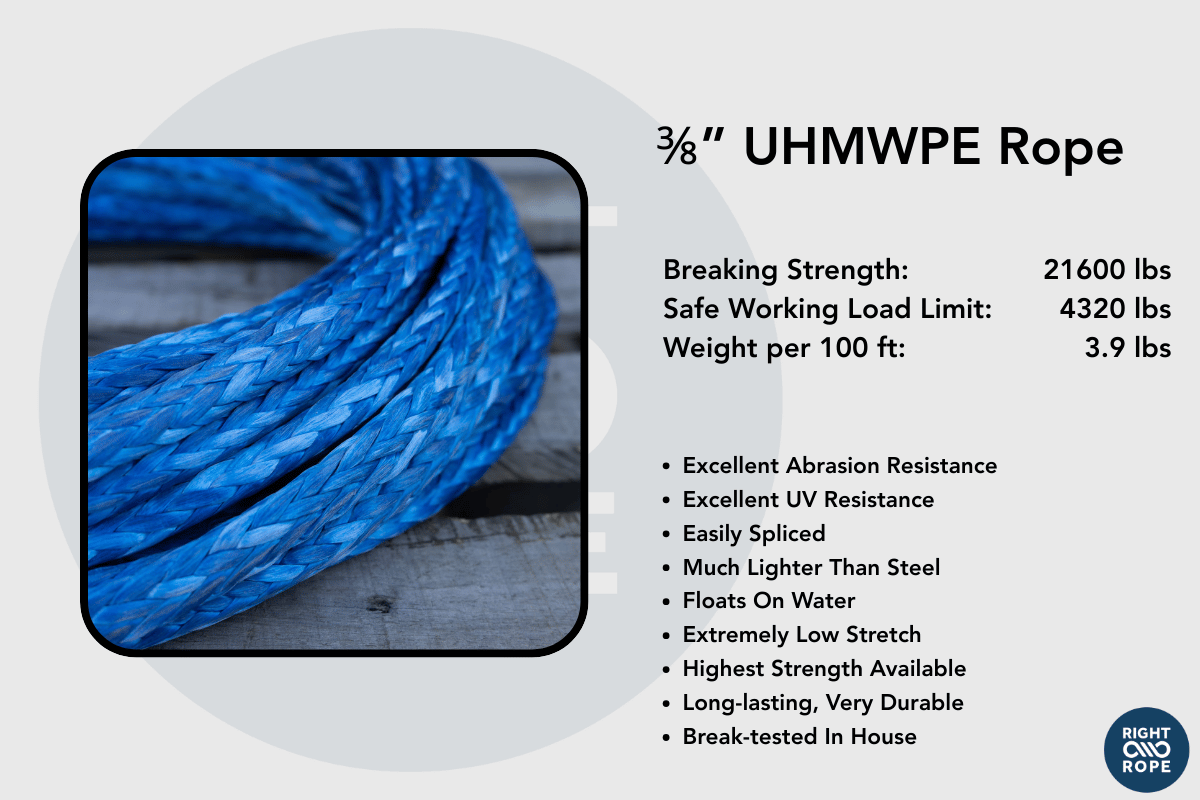
Let’s start with the most obvious win: the weight. When you swap out a steel cable for an HMPE line like Dyneema or Spectra, you are cutting about eighty five percent of the weight off your winch. Think about that for a second. A typical steel cable can weigh thirty to forty pounds, while the equivalent synthetic line weighs about five. This isn't just about making it easier to carry a spool across the shop. When that weight is hanging off the very front of your vehicle, it affects your suspension, your tire wear, and your fuel economy. By switching to HMPE, you are effectively taking a massive sledgehammer off your front bumper.
Beyond the vehicle itself, the real benefit shows up when you are actually using the winch. If you have ever had to schlep a heavy steel cable up a muddy hill or through knee-deep snow to reach an anchor point, you know how exhausting it is. HMPE is so light it actually floats on water. You can toss it over your shoulder like a coil of garden hose and run it to your tree strap without breaking a sweat. It makes the whole process faster and a hell of a lot less miserable.
Safety Without the Snapback
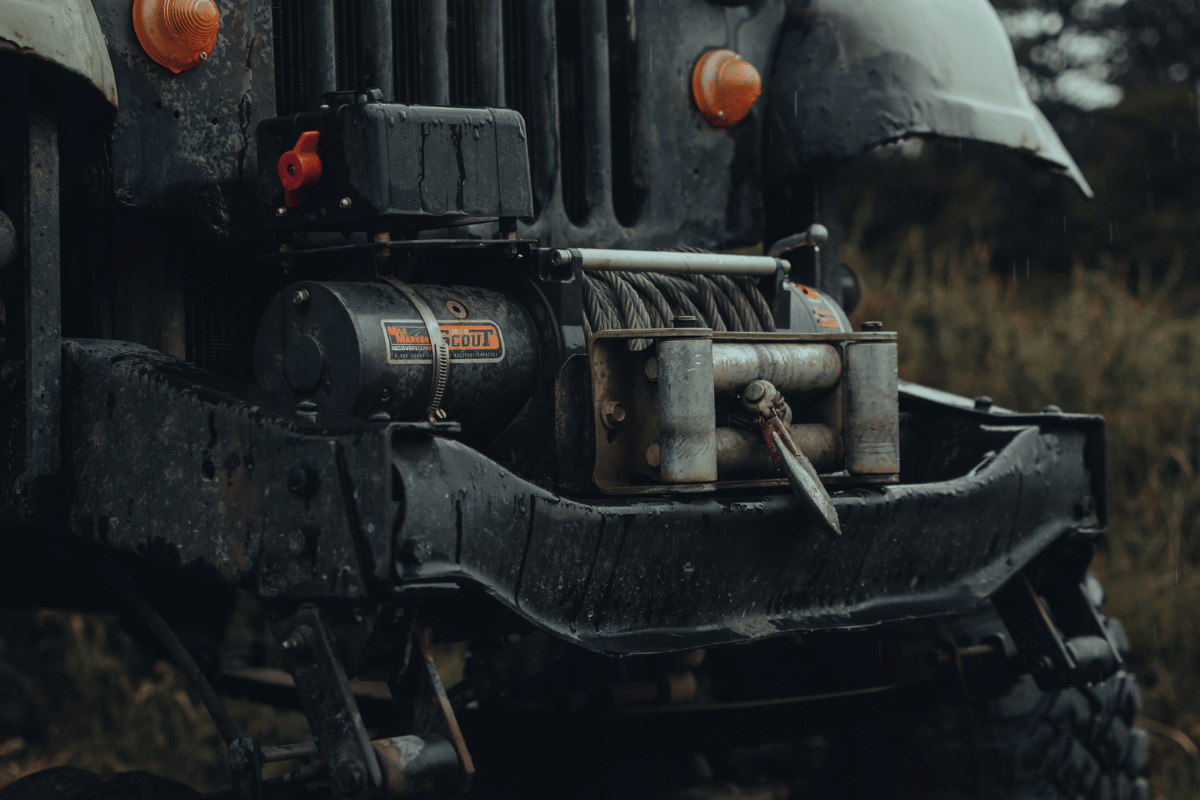
Weight is great, but safety is where HMPE really earns its keep. Steel cable is a spring. When it is under tension, it is storing a massive amount of kinetic energy. If a steel line snaps, that energy is released instantly, sending a heavy metal whip flying through the air. Snapped steel cables can take out windshields, grill guards, and even take fingers off. It is violent and unpredictable.
HMPE is a completely different animal. Because it is so light and has very little stretch, it doesn't store that same "recoil" energy. If a synthetic line breaks, it usually just drops to the ground. It doesn't have the mass to carry a deadly whip. You should still use a winch damper because it’s the right way to work, but the baseline risk with HMPE is a fraction of what it is with steel. Plus, you don't have to deal with those nasty wire burrs. You can handle a good HMPE line with bare hands if you have to, and you won't come away needing a tetanus shot.
Is It Really a Cost Saver?
Now, I know what you’re thinking. Synthetic rope costs more upfront than a spool of steel, so how can I claim it saves you money? You have to look at the total cost of ownership over the life of the tool. Steel cables are prone to kinking. Once you get a bad kink in a wire rope, it’s permanent, and that spot is now a weak point that will eventually fail. Steel also rusts from the inside out, especially if you’re working in salt or mud.
HMPE doesn’t rust, doesn’t kink, and doesn’t corrode. If you take care of it—keep it clean and keep it out of the sun when you’re not using it—a synthetic line can easily outlast two or three steel cables. In fact, many professionals find that the "per year" cost of HMPE is actually lower because they aren't replacing it every time it gets a snag or a bit of surface rust. Add in the fact that you aren't replacing torn gloves or fixing dented bodywork from a snapped cable, and the math starts looking real good for your wallet.
Maintenance and the Reality of the Job
I’ll be straight with you: HMPE isn’t indestructible. Its biggest enemies are heat and abrasion. If you are dragging your line over sharp rocks or around the edge of a concrete barrier, it’s best that you use a chafe guard. You also have to keep the temperature of the rope in mind. If your winch drum is getting hot, you could risk damaging the rope. HMPE has a melting point of around 290° degrees fahrenheit, but temperatures over boiling (212°) can cause damage to the fibers. If you need a winch rope that will see a lot of friction and heat, steel is a better bet.
But maintenance on HMPE is simple. After a muddy job, just spool the line out, rinse it with a garden hose to get the grit out of the fibers, and let it dry. That’s it. No messy lubricants or grease required. If you do manage to break it in the field, you can actually perform a "long splice" to get yourself moving again. Try doing that with a snapped steel cable on the side of a mountain.
Why the Industry is Moving This Way
The reason you see HMPE becoming the standard in maritime, utility pulling, and off-road recovery is because it simply performs better. It spools flatter on the drum, it doesn't "nest" or dive into the lower layers under load like steel does, and it stays flexible even in freezing temperatures. In the old days, we put up with steel because we had to. Today, the technology has caught up, and there’s no reason to settle for gear that’s heavier and more dangerous.
Whether you are a weekend warrior or you use your winch every day for work, making the switch to HMPE is one of the best upgrades you can give your rig. It’s lighter, it’s safer, and when you look at the long-term durability, it’s a better investment for your hard-earned dollar. At the end of the day, we’re all just trying to get the job done and get home safe. HMPE makes that a whole lot easier.