Cleaning Mold Off Ropes: Do’s and Don’ts
Estimated 0 min read
If you’ve ever pulled a rope out of a locker, truck bed, sail bag, or dock box and been hit with that musty smell, you already know the problem. Mold and mildew don’t just look bad. They stink, they stain, and they make good rope feel like garbage. The good news? If it’s synthetic rope, mold is usually a surface problem, not a death sentence for the rope. The bad news is that cleaning it the wrong way can do more damage than the mold ever did.
Let’s talk about how mold shows up on rope, how to prevent it in the first place, and how to clean mold off synthetic ropes like promanila, polyester, and nylon without weakening them or shortening their life.
Mold Prevention Starts With the Right Rope
The best way to deal with mold is to prevent it from taking hold at all. Synthetic ropes are naturally far more mold resistant than natural fiber ropes like manila, sisal, or cotton. Mold feeds on organic material, and synthetic fibers simply don’t give it much to eat. That’s one of the big reasons synthetic rope has become the standard for marine, outdoor, and utility use.
All of the synthetic ropes we sell are mold resistant by design. That includes promanila, polyester sailing ropes, and nylon dock lines. Mold resistant does not mean mold proof forever under all conditions. If a rope is put away wet, stored in a sealed container with no airflow, or left sitting in damp shade for months on end, mold can still grow on dirt, salt residue, or surface contamination that’s stuck to the fibers.
Using the right rope for the right job goes a long way toward preventing mold problems. Any rope that’s going to get wet frequently, live outdoors year round, or spend time on a boat should be synthetic. Polyester and nylon are excellent for sailing and dock use because they handle moisture well and resist mildew. Promanila is a solid choice when you want the look and handling of natural fiber without the potential mold problems that come with real manila.
Good storage habits matter just as much as rope choice. Letting rope dry before coiling it up, keeping it off bare ground, and allowing some airflow during storage can prevent most mold issues before they start. Mold loves dark, damp, sealed spaces. Rope does not.
How Does Mold Grow On Synthetic Rope Anyway?
When people see mold on synthetic rope, the first assumption is that something is wrong with the rope itself. In most cases, the mold is growing on what’s on the rope, not the rope material. Dirt, oils, organic debris, salt, and even sunscreen residue from hands can all give mold something to cling to.
Marine ropes are especially prone to this because saltwater leaves residue behind, and salt attracts moisture from the air. That damp surface combined with warmth and poor airflow creates a perfect environment for mildew. Nylon and polyester don’t absorb water the way natural fibers do, but they can still hold moisture on the surface long enough for mold to get comfortable.
The key takeaway is that surface mold does not automatically mean the rope is unsafe. Synthetic rope strength loss from mildew is usually minimal, especially compared to natural fiber. Still, nobody wants to handle a rope that smells bad or looks like it’s been forgotten in a basement for ten years.
What Not To Use When Cleaning Mold Off Rope
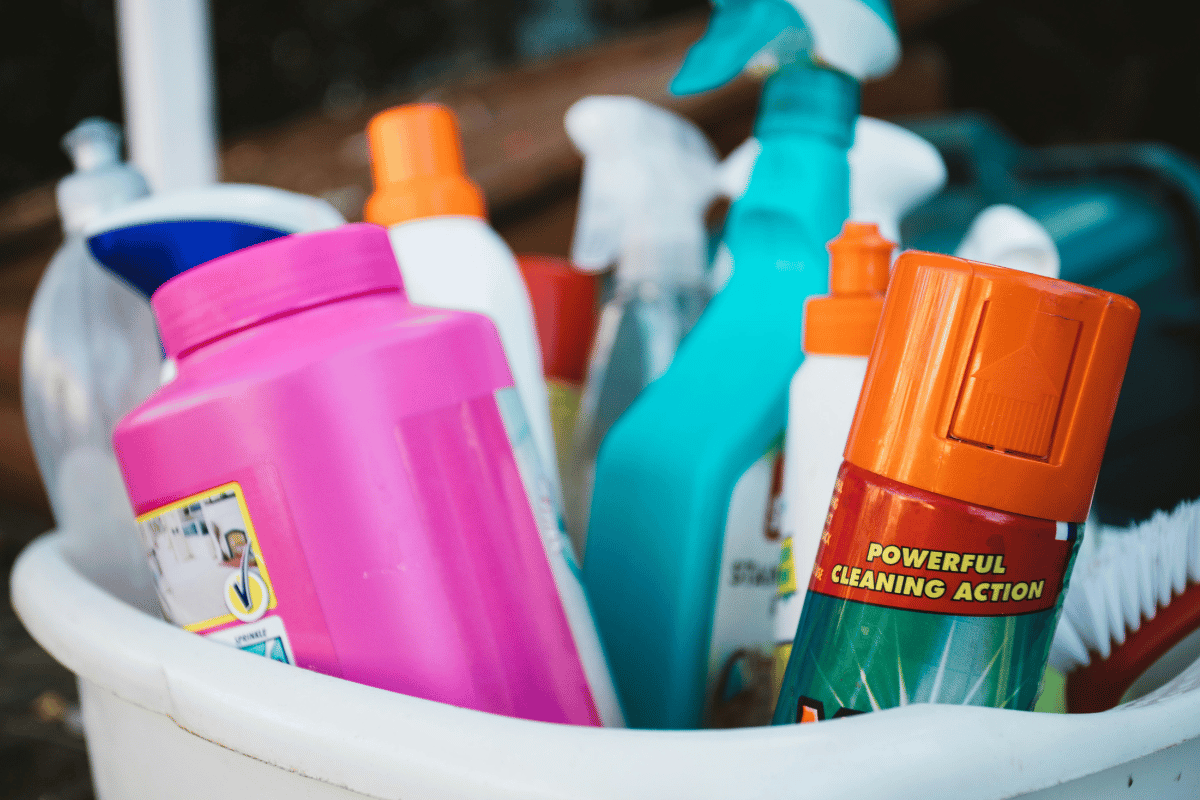
Before getting into what works, it’s important to be clear about what doesn’t. The biggest mistake people make when cleaning mold off rope is reaching for harsh chemicals. Bleach is the most common offender. While bleach will kill mold and whiten the rope, it can also weaken synthetic fibers, especially nylon. Repeated bleach exposure can reduce strength and accelerate fiber degradation, which is the last thing you want in a load bearing rope.
Strong solvents, aggressive degreasers, acids, and industrial cleaners fall into the same category. If a product is harsh enough to strip paint or burn skin, it has no business being used on rope that’s meant to hold weight or keep a boat off a dock. Even vinegar can damage a rope, with nylon ropes being especially vulnerable to damage from acids.
Washing machines are a toss up. The agitation can kink and damage ropes, and it’s typically just not worth the risk to machine wash a rope.
Finally, pressure washers are another risky choice. High pressure water can force grit deep into the rope’s construction and cut fibers, causing invisible damage. Cleaning should be thorough but always gentle.
How To Clean Mold Off Synthetic Rope Safely
Cleaning mold off synthetic rope is mostly about patience and mild solutions. Start by taking the rope somewhere you don’t mind getting wet. Outdoor cleaning is ideal. Shake or brush off loose dirt and debris before adding water. A stiff nylon brush works well, but don’t go at it like you’re scrubbing concrete. The goal is to lift mold from the surface, not chew through fibers.
Warm water and a mild detergent are usually enough to handle most mold and mildew. Dish soap works well because it cuts oils without being aggressive. Mix it with water, soak the rope if possible, and scrub gently along the length. For long ropes, working in sections is often more realistic than trying to manage the whole thing at once.
Baking soda is a good option, especially for odor control. It’s a mild base, non damaging, and useful for ropes that smell worse than they look. A soak followed by a rinse can make a noticeable difference without risking strength loss.
After cleaning, rinsing is critical. Soap residue can attract dirt later, undoing your work. Rinse until the water runs clear and the rope no longer feels slick.
Drying Matters More Than People Think
Drying is where many people undo all their good cleaning work. A rope that’s cleaned and then coiled up wet is just setting the stage for mold to return. Synthetic rope dries faster than natural fiber, but it still needs airflow.
Lay the rope out loosely or hang it in long loops in a well ventilated area. Sunlight can help speed drying and has some natural mildew fighting benefits, but don’t leave rope baking in direct sun longer than necessary. UV exposure over time does weaken synthetic fibers, even though modern ropes are far more UV resistant than they used to be.
Avoid drying with heat. Many ropes are not heat-set, and different fibres in the rope can react differently to the drying process, causing damage to the rope.
Once the rope is completely dry, store it somewhere dry with at least a little airflow. A breathable bag or open bin is better than a sealed plastic container, especially in humid climates.
Will Cleaning Mold Weaken The Rope?
This is one of the most common questions people ask, and the honest answer is that gentle cleaning does not significantly weaken synthetic rope. Mold itself usually does far less damage to polyester and nylon than people expect. The real risk comes from aggressive cleaning methods.
Avoiding bleach, harsh chemicals, and excessive mechanical abuse is the difference between cleaning a rope and ruining it. If a rope has been heavily loaded, badly abraded, or exposed to chemicals for years, mold might just be one symptom of a rope that’s already past its prime. In those cases, cleaning won’t bring back the strength that’s already gone.
If the rope still feels firm, flexible, and intact after cleaning, it’s generally fine for continued use in the same applications it was designed for. Trust your hands and eyes. Rope tells you a lot if you pay attention.

Promanila Versus Polyester And Nylon When It Comes To Mold
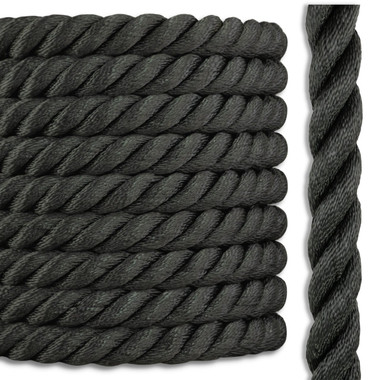
Promanila often gets lumped in with natural fiber rope because of how it looks, but it behaves very differently when it comes to mold. Because it’s synthetic, it doesn’t rot the way real manila does. Mold on promanila is almost always surface level and cosmetic. Cleaning it properly usually restores both appearance and smell.
Polyester and nylon sailing ropes are even more mold resistant overall, especially when kept reasonably clean. Double braid ropes may hide moisture inside the cover longer than a three strand rope, so thorough drying is especially important after cleaning or heavy use.
Regardless of material, good habits beat good cleaners every time. Rinse salt off when you can, let rope dry before storage, and don’t leave it sitting in stagnant water.
Knowing When It’s Time To Replace A Rope
Cleaning mold off rope is worthwhile, but it’s not magic. If a rope shows serious abrasion, melted fibers, deep cuts, or stiffness that wasn’t there before, cleaning won’t fix those problems. Mold alone rarely makes a synthetic rope unsafe, but combined wear and neglect can.
When in doubt, retire old rope to lighter duty. Use it for tag lines, shop use, or non critical tasks, and replace it for applications where safety matters. Rope is cheap compared to boats, equipment, or people.
Final Thoughts On Mold And Rope Care
Mold on synthetic rope is common, manageable, and usually preventable. The key is understanding that rope care is about long term habits, not panic cleaning with harsh chemicals. Mild soap, water, patience, and proper drying will handle most mold problems without compromising strength.
Synthetic ropes like promanila, polyester, and nylon are built to live outdoors and get wet, but they still appreciate a little care. Treat them right, and they’ll last a long time, smell better, and be ready when you need them.