How has rope-making evolved from ancient times to today?
Although it's unnecessary to know the history of rope to buy or use a good rope, understanding how this ancient tool has continually improved over centuries is fascinating. Rope has played a key role in human history—from its origins in ancient civilizations to its essential role on sailing ships and in modern construction. The evolution of rope-making techniques is a story of human ingenuity, resourcefulness, and adaptation. Today, ropes are stronger, more durable, and more specialized than ever, but the journey to get here has taken thousands of years.
How Was Rope Invented?
Rope-making dates back to the dawn of human civilization, with origins as old as mankind itself. Early humans were practical and resourceful, using materials from their environment to create tools for survival. Researchers believe that early ropes were made from plant fibers such as grass, flax, animal hair, or reed. These fibers were probably twisted together by hand, creating a strong and flexible cord for various uses.
The first rope-making techniques were incredibly simple—similar to twisting a piece of string in your hands. Early humans would take fibers from plants and twist them together to form rudimentary rope. The key to making strong rope was combining multiple fibers into a single strand, increasing its strength and durability.
Ancient Egyptians were some of the first to master rope-making. They used fibers from plants like papyrus and flax, along with animal sinew, to create ropes for construction and transportation. Ropes likely played a huge role in the construction of the pyramids, where workers used them to haul heavy stones and materials. The Egyptians even developed complex knots for securing and lifting loads.
The Rise of Natural Fibers and Traditional Rope-Making
As civilizations developed, so did rope-making techniques. In the ancient world, natural fibers were the primary material, and each culture had its own approach:
- Greeks and Romans used hemp
- Vikings relied on fibers from nettles and other plants
- General process: Fibers were harvested, processed by soaking, and then twisted or braided together
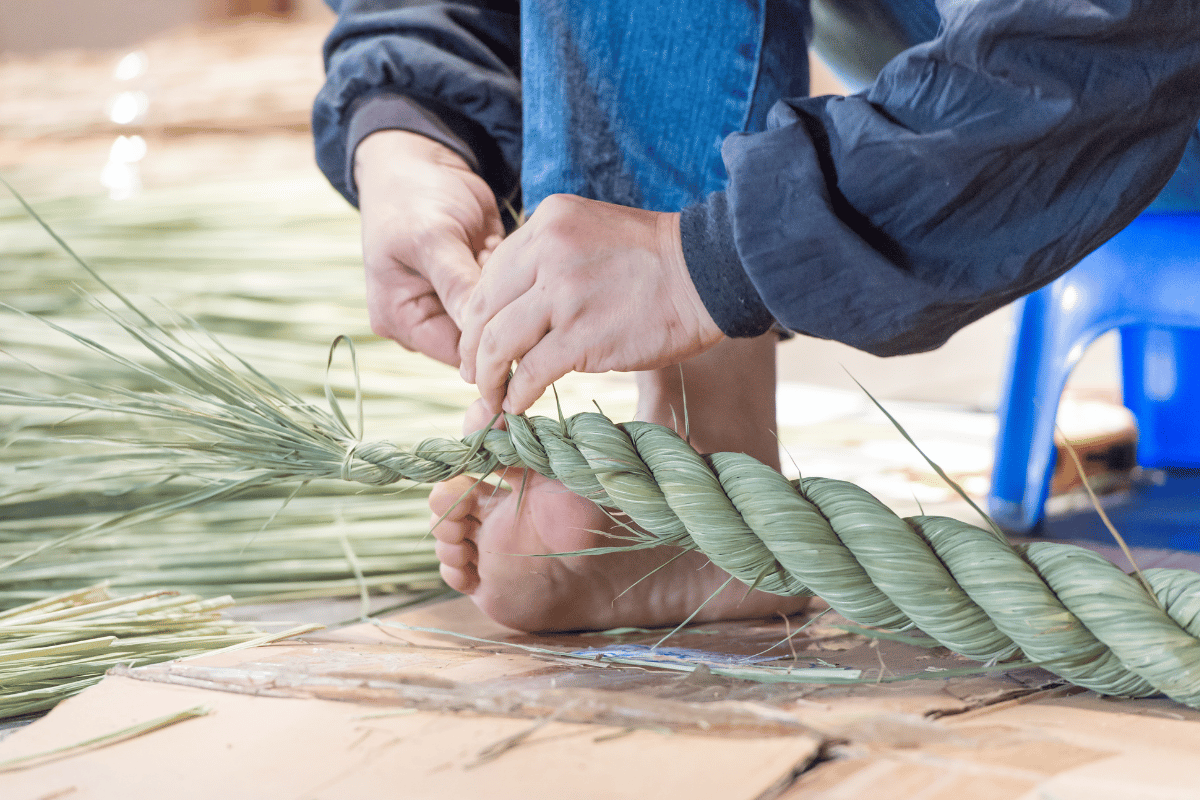
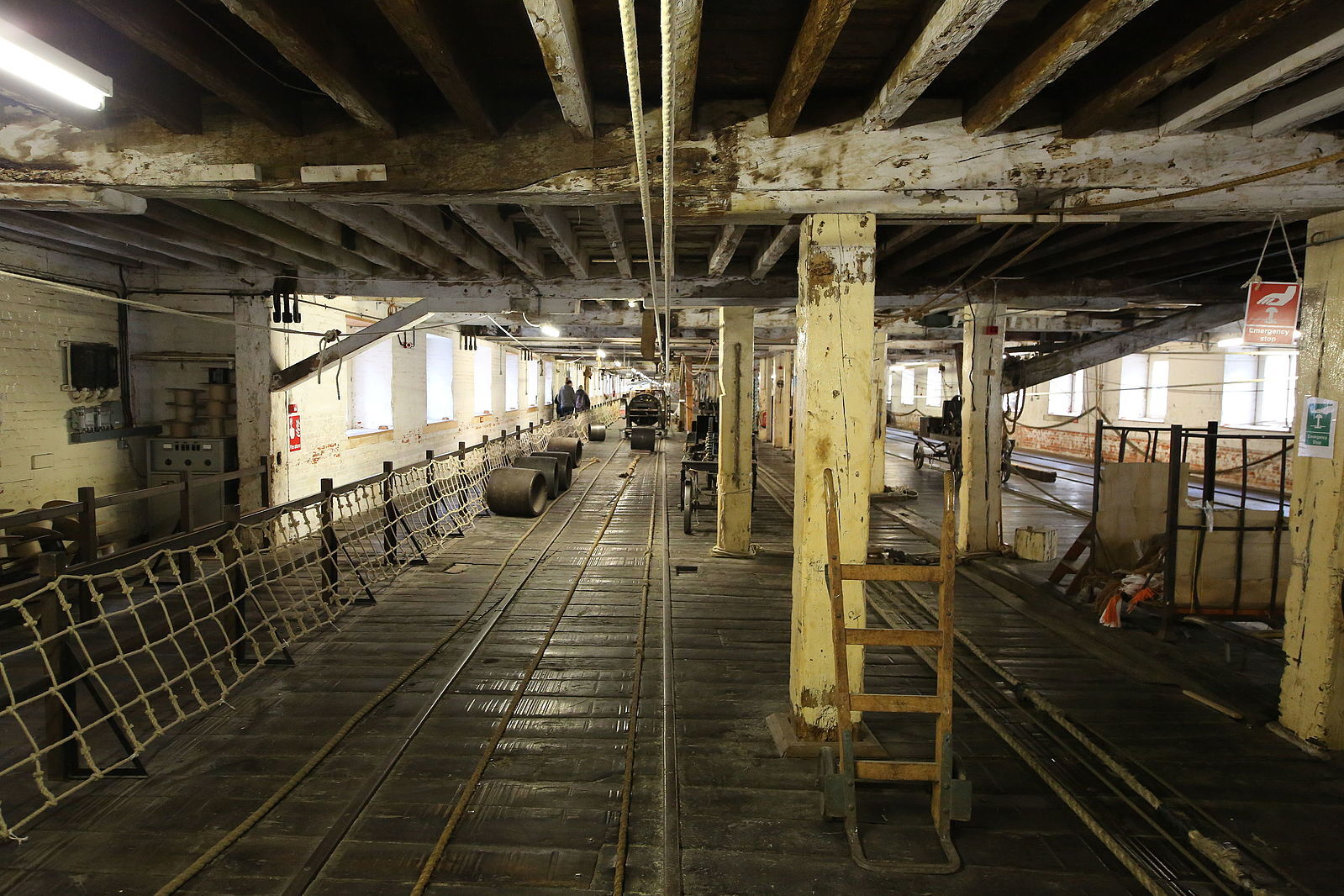
By the Middle Ages, rope-making had become a specialized craft, with workshops and guilds dedicated to the trade. Long, straight, covered lanes called "ropewalks" were used to produce rope, allowing fibers to be twisted together with hand tools at various points along the construction. Roperies of the time often caught fire due to the highly flammable hemp dust that proliferated there. Still, rope-making continued at full speed—a single sailing ship required 30+ miles of rope to rig her sails.
The Historic Dockyard in Chatham, UK is one such ropewalk that remains operational, now as a museum. These ropes tended to be very heavy since materials and processes were still fairly rudimentary. Abacá (Manila rope) and hemp were common materials, and both could wear relatively quickly at sea, leading to increased sizes and tarring of hemp ropes to prevent rot.
Ropemakers of the day made ropes for everything from ships' rigging to building construction, farming tools, and beyond. The demand for high-quality, durable ropes was higher than ever before.
Industrialization and the Birth of Modern Rope-Making
The Industrial Revolution in the 18th and 19th centuries brought major changes to the rope-making industry. With the rise of factories and mechanization, rope-making became faster and more efficient. The traditional methods of hand-twisting fibers were replaced by machines that could spin, twist, and braid fibers at much quicker pace. These machines were often steam-powered and remained in use until the 1950s, when they were replaced with electric motors.
At the same time, demand for rope fell off, and many roperies closed in the 1900s as coal and diesel-powered ships replaced rigging and sails. However, rope was still used extensively in industry, agriculture, and shipping during this time. This era also saw the birth of wire rope—made from steel wires twisted together—which quickly became the go-to option for many industrial applications, including construction and mining.
The Evolution of Synthetic Rope Materials
While natural fibers like hemp and flax dominated rope-making for centuries, the 20th century saw a major shift with the development of synthetic materials. The rise of plastics and petrochemicals opened new possibilities for rope production.
Synthetic fibers such as nylon, polyester, and polypropylene were introduced and quickly gained popularity due to their:
- Strength and flexibility
- Resistance to environmental factors like UV light and water
- Affordability and ease of mass-production
Nylon became widely used in ropes for climbing and sailing. Nylon ropes are known for their high tensile strength and elasticity, making them ideal for applications requiring stretchability and shock absorption.
Polyester ropes are lighter than natural fiber ropes and resist water absorption, making them perfect for marine environments.
The introduction of these synthetic materials was transformative, not only making ropes stronger and more durable but also more affordable and easier to mass-produce. Today, synthetic ropes are used in nearly every industry, from construction to sports to space exploration.
Modern Rope-Making: High-Tech Ropes for Specialized Uses
Today, rope-making has evolved to the point where specialized ropes are manufactured for very specific applications. Advances in material science have led to the development of ropes that are stronger, lighter, and more durable than ever before.
Modern materials include:
- Ultra High Molecular Weight Polyethylene (UHMWPE): Incredibly strong, lightweight, and resistant to heat—ideal for military, aerospace, and rescue operations
- Advanced synthetic blends: Engineered for specific performance requirements
The manufacturing process for modern ropes has also become highly advanced. Machines now use computer-controlled technology to create ropes with exacting precision. This allows for the production of ropes with varying thicknesses, strengths, and flexibilities to meet specific industry needs.
New techniques like braiding, coating, and splicing have made ropes even more versatile, allowing them to perform in a wider range of environments. For example:
- Climbing ropes are engineered with a particular weave that handles high-stress situations while remaining flexible and easy to handle. What's the difference between dynamic and static climbing ropes? These ropes are designed to be lightweight but incredibly strong, giving climbers the safety they need to ascend heights safely.
- Marine ropes are often coated with special UV-resistant coatings, ensuring they can withstand years of exposure to saltwater and sunlight without degrading.
From Hand-Spun to High-Tech
The history and evolution of rope-making techniques is a testament to human ingenuity and adaptability. From the earliest handmade ropes crafted from plant fibers to the high-tech ropes used in today's most demanding industries, rope-making has come a long way. The craft has been shaped by advancements in materials, technology, and human needs, ensuring that ropes continue to play a vital role in everything from construction to adventure sports.
Whether you're using rope for a DIY project, sailing the open seas, or climbing a mountain, it's important to recognize the legacy and craftsmanship that goes into making every strand of rope. While today's ropes are stronger, more specialized, and more reliable than ever before, they still carry with them the knowledge and techniques passed down through centuries of rope-making history.
Sources
- The History and Evolution of Rope and Rope-Making Techniques