Rope Education Center
The complete resource for rope education, product guidance,
and technical expertise.
Browse by Topic
Latest Articles
55 articles and counting
Knots & Techniques
How do arborists safely rig and control falling tree limbs?
Tree rigging involves using ropes, anchor points, and lowering devices to safely control falling branches. Key techniques include positive rigging (anchor above load) and negative rigging (anchor below load), proper rope selection, and testing systems before heavy cuts. Always use proper PPE, tag lines, and team communication.
Buying Guides
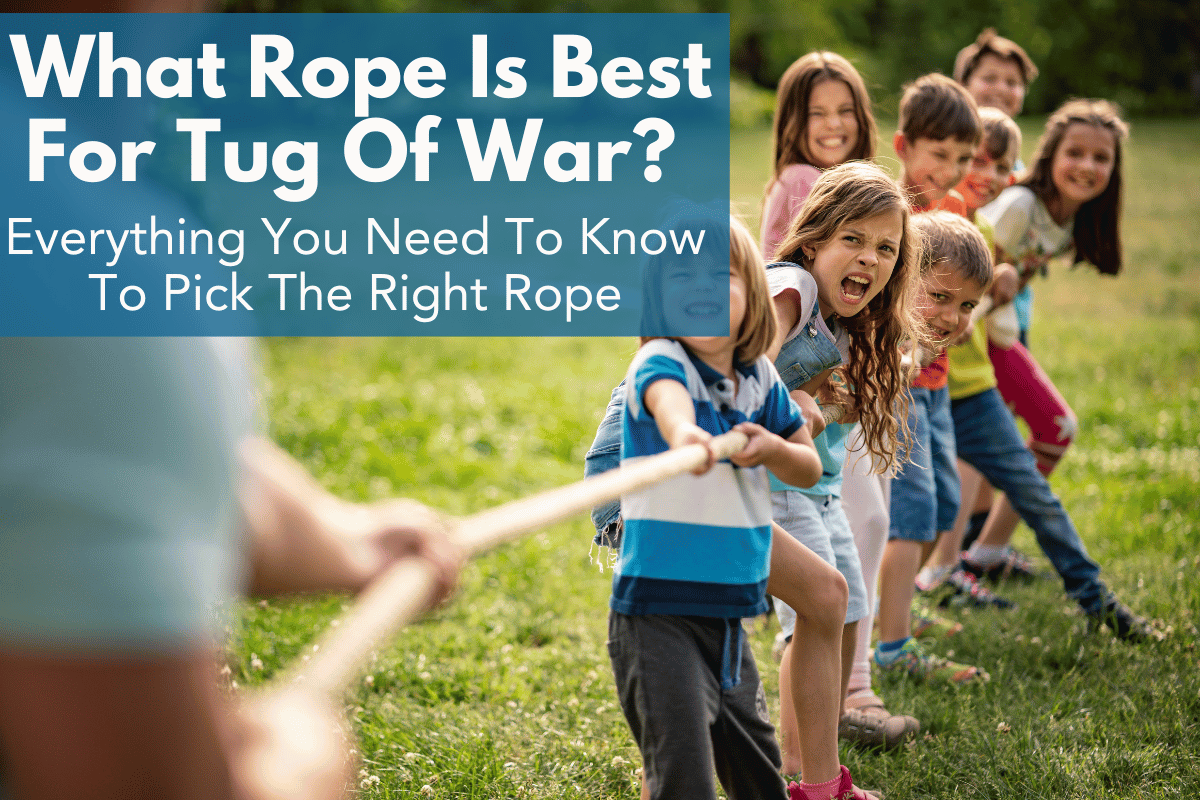
What rope is best for tug of war?
Manila rope (1.5" diameter, 110 feet) is ideal for most tug of war events—it offers excellent grip, natural texture, and safe working load of 3,330 lbs. For professional competitions or wet conditions, consider polyester rope for superior durability and weather resistance.
History & Education
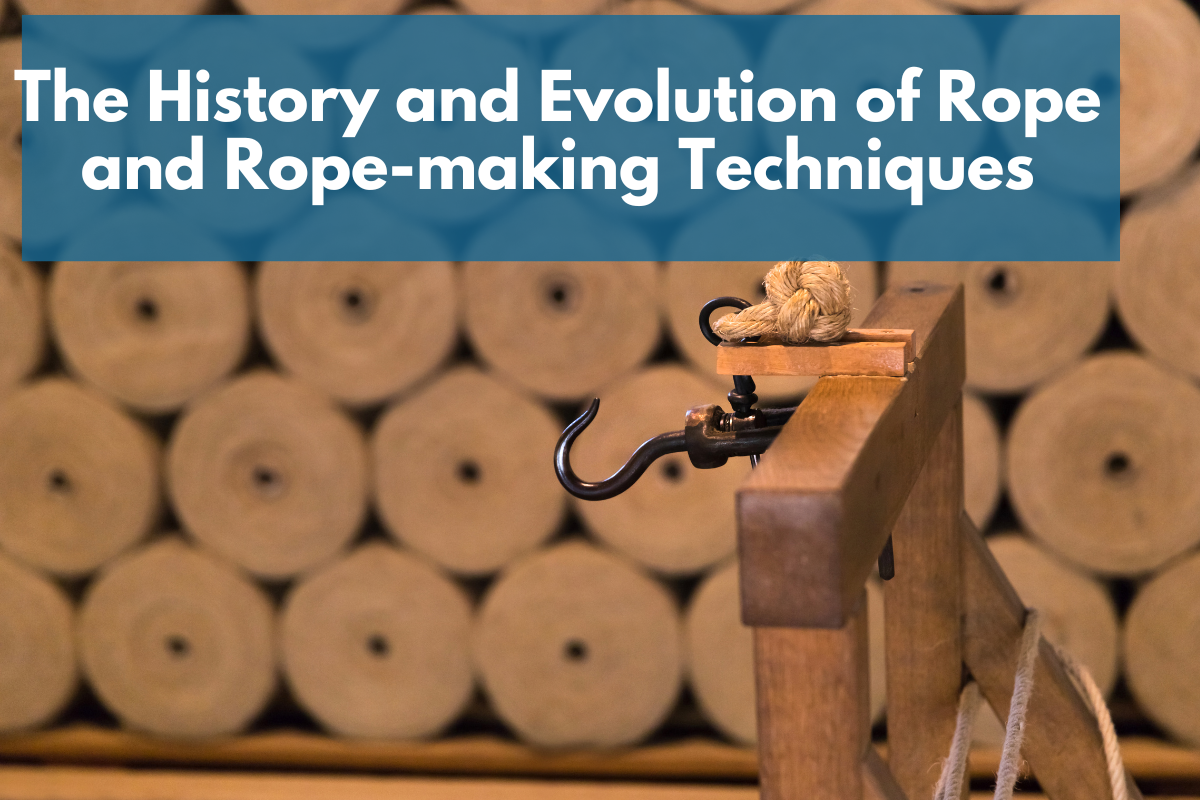
How has rope-making evolved from ancient times to today?
Rope-making began with hand-twisted plant fibers in ancient civilizations and evolved through mechanization during the Industrial Revolution. The 20th century introduced synthetic materials like nylon and polyester, while modern manufacturing uses computer-controlled technology to create specialized ropes for demanding applications.
Buying Guides
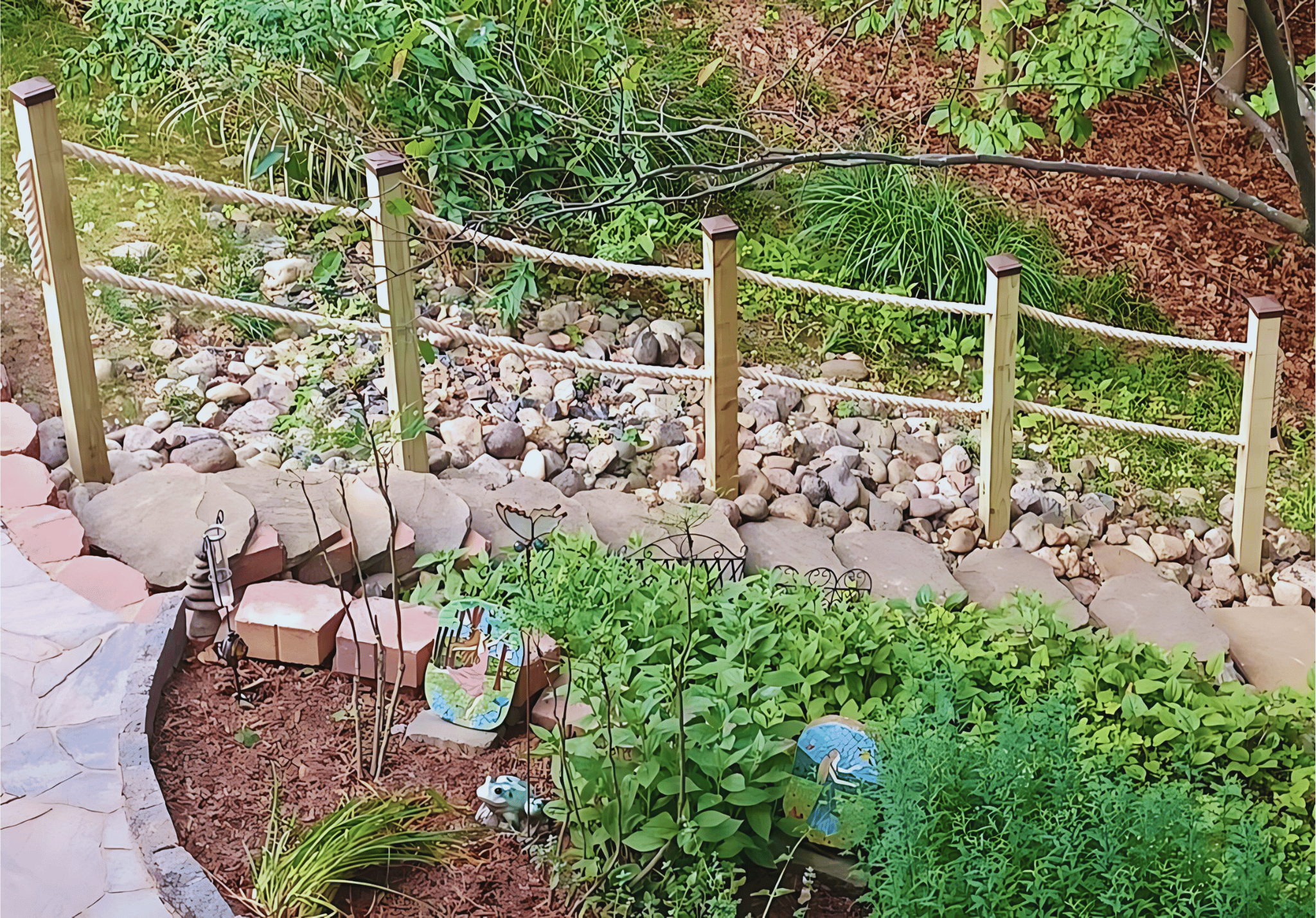
What's the best rope for landscaping projects?
The best landscaping rope depends on your environment and needs. Promanila offers natural aesthetics with synthetic durability; twisted polyester excels in full-sun UV exposure; nylon provides flexibility for shock loads; and manila delivers classic rustic appeal. Consider weather conditions, aesthetics, and functional demands when choosing.
By Use
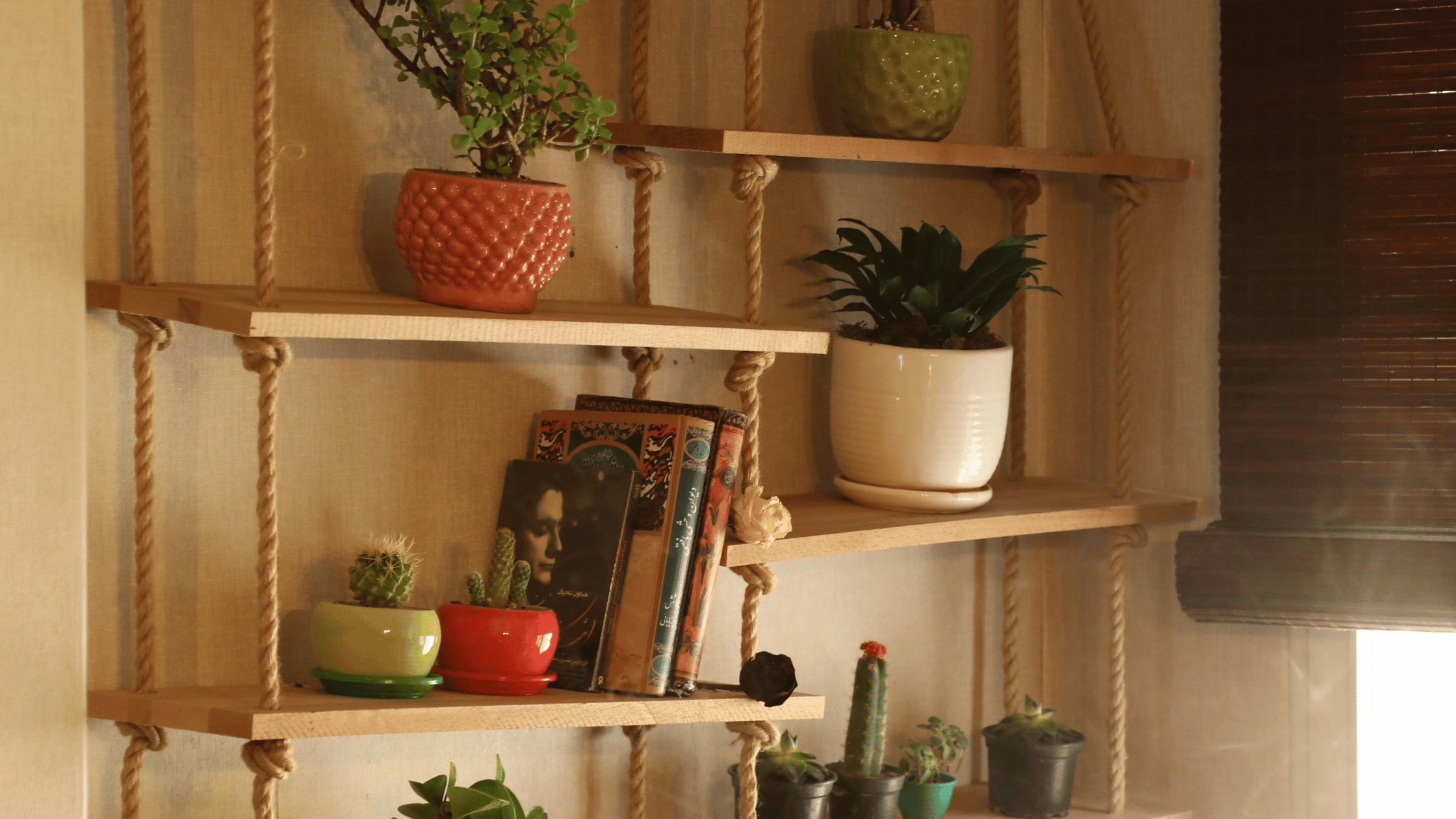
How can I use rope for home decor?
Rope adds texture, warmth, and rustic charm to any home. Popular projects include shelves, mirrors, railings, lighting, macramé, and accent walls. Choose manila for rustic looks, cotton for macramé, and polyester for durability in high-traffic or outdoor areas.
By Use
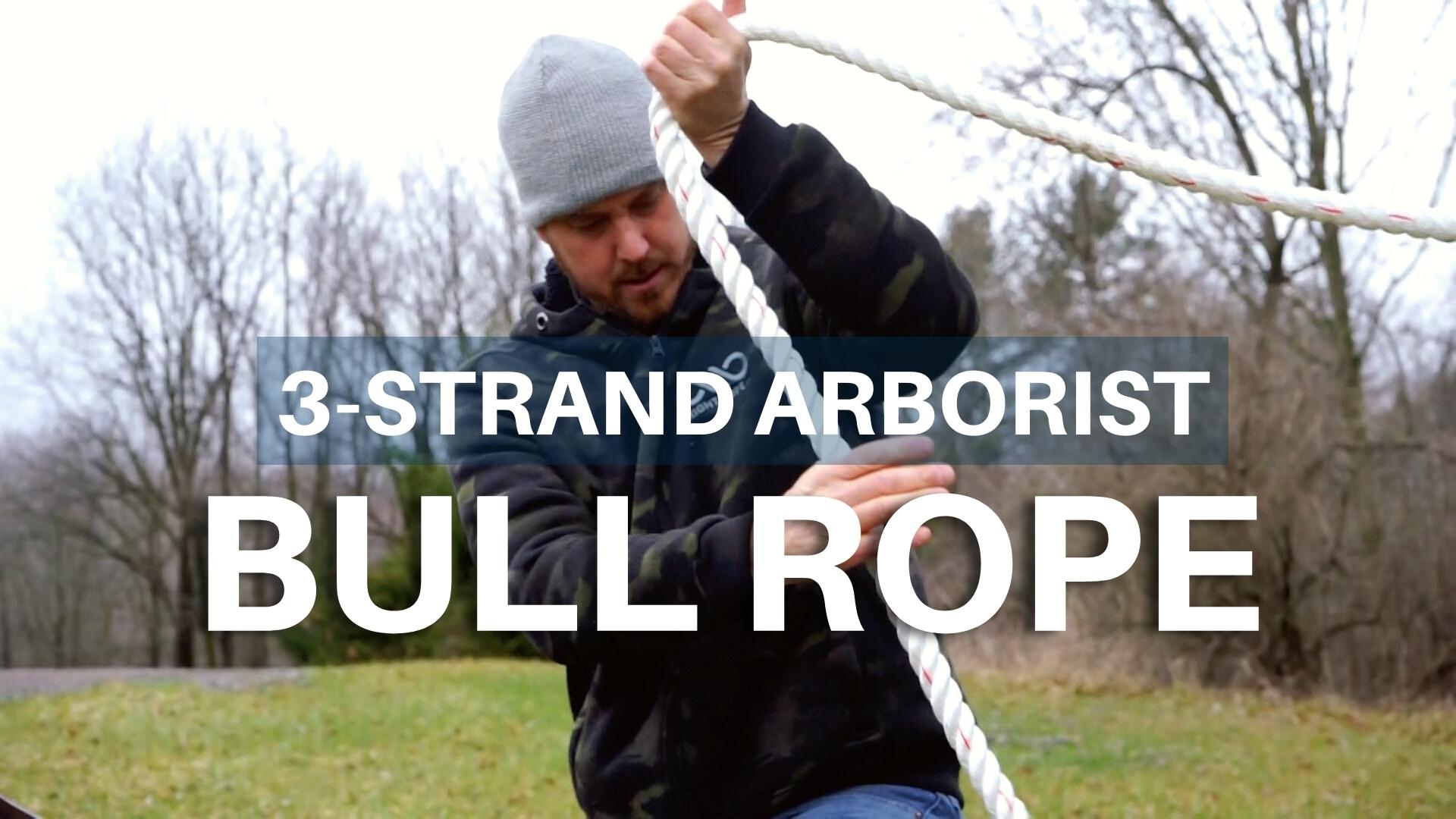
What is the least expensive bull rope for pulling trees?
The 3 Strand Arborist Bull Rope is the most economical option for tree pulling and rigging. Made from 70% polyester and 30% high-tenacity polyolefin, it offers high strength and durability for occasional use. Available in sizes from 1/2" to 1" diameter with optional eye splice.
By Use
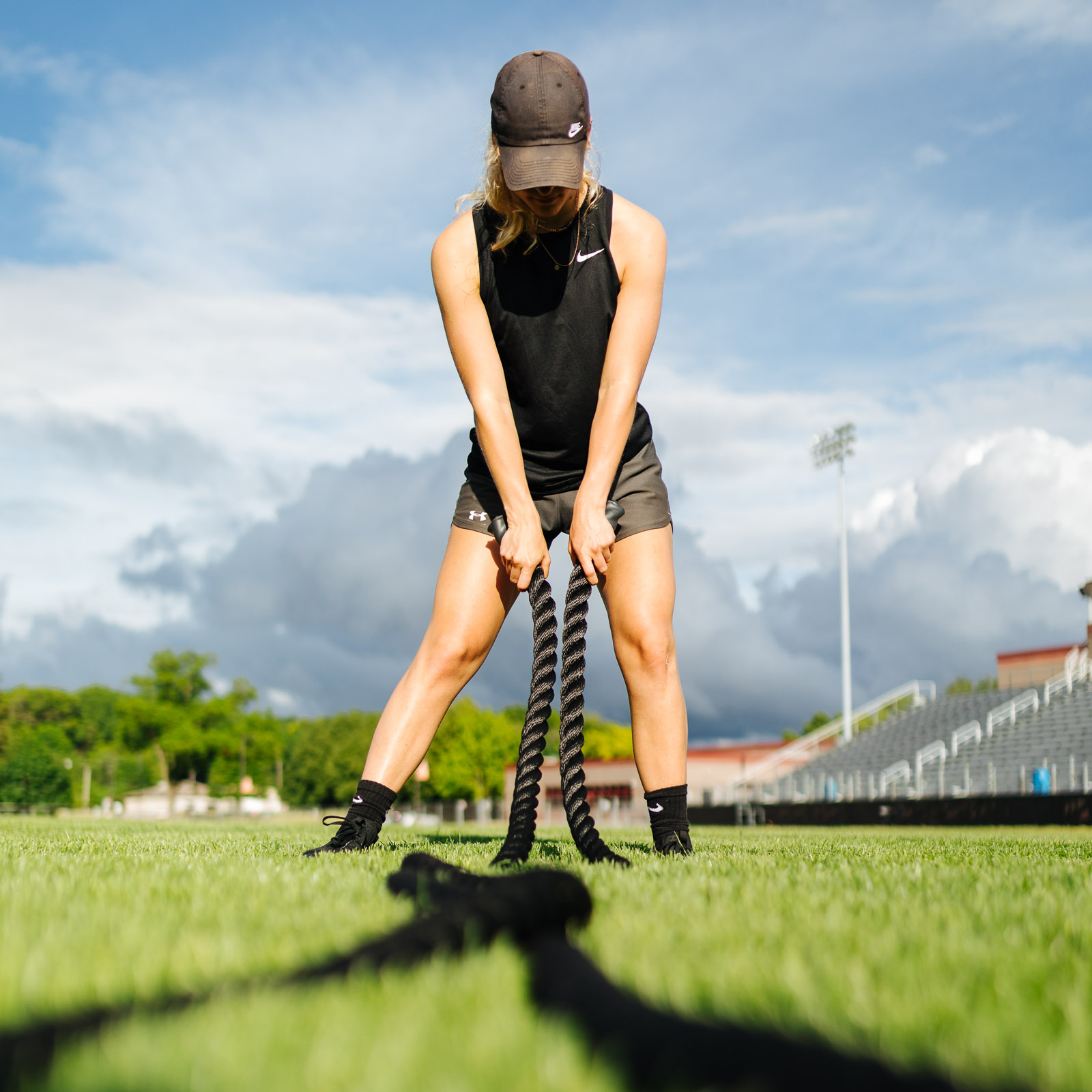
What is a battle rope and how do I use it?
A battle rope is a 30–50 foot training tool, typically 1.5 inches in diameter, used for high-intensity interval training, cardio, and strength workouts. Both ends have handles for grip. Modern versions use polyester or manila fiber for durability and full-body conditioning.
By Use
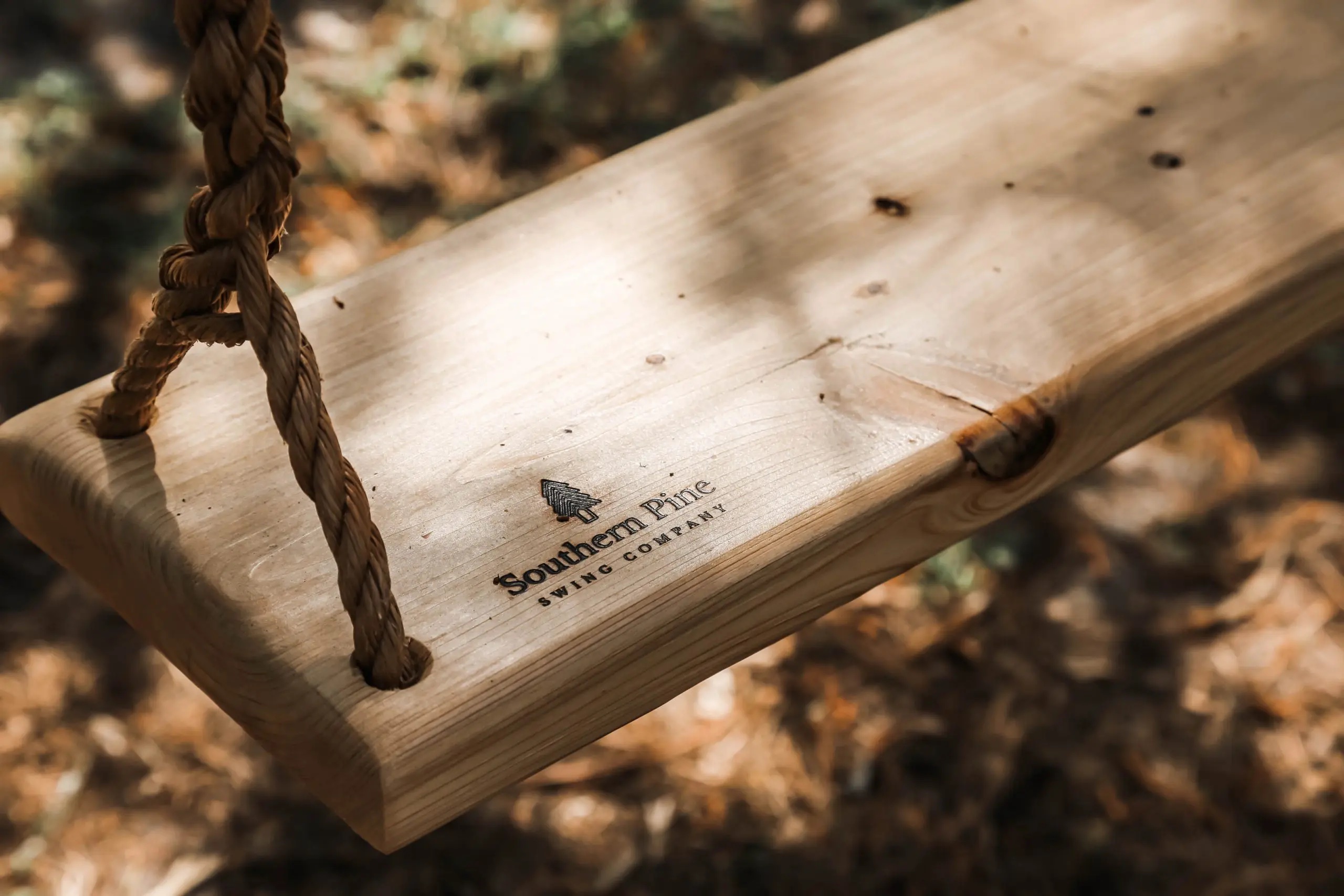
How do I build a rope swing?
Build a rope swing by cutting a 2×10×2ft board, drilling holes in each corner, sanding smooth, and attaching it to a sturdy tree branch using two pieces of ⅝" ProManila rope tied with bowline knots. Ensure the branch is at least 8" in diameter and test all knots before use.
By Material
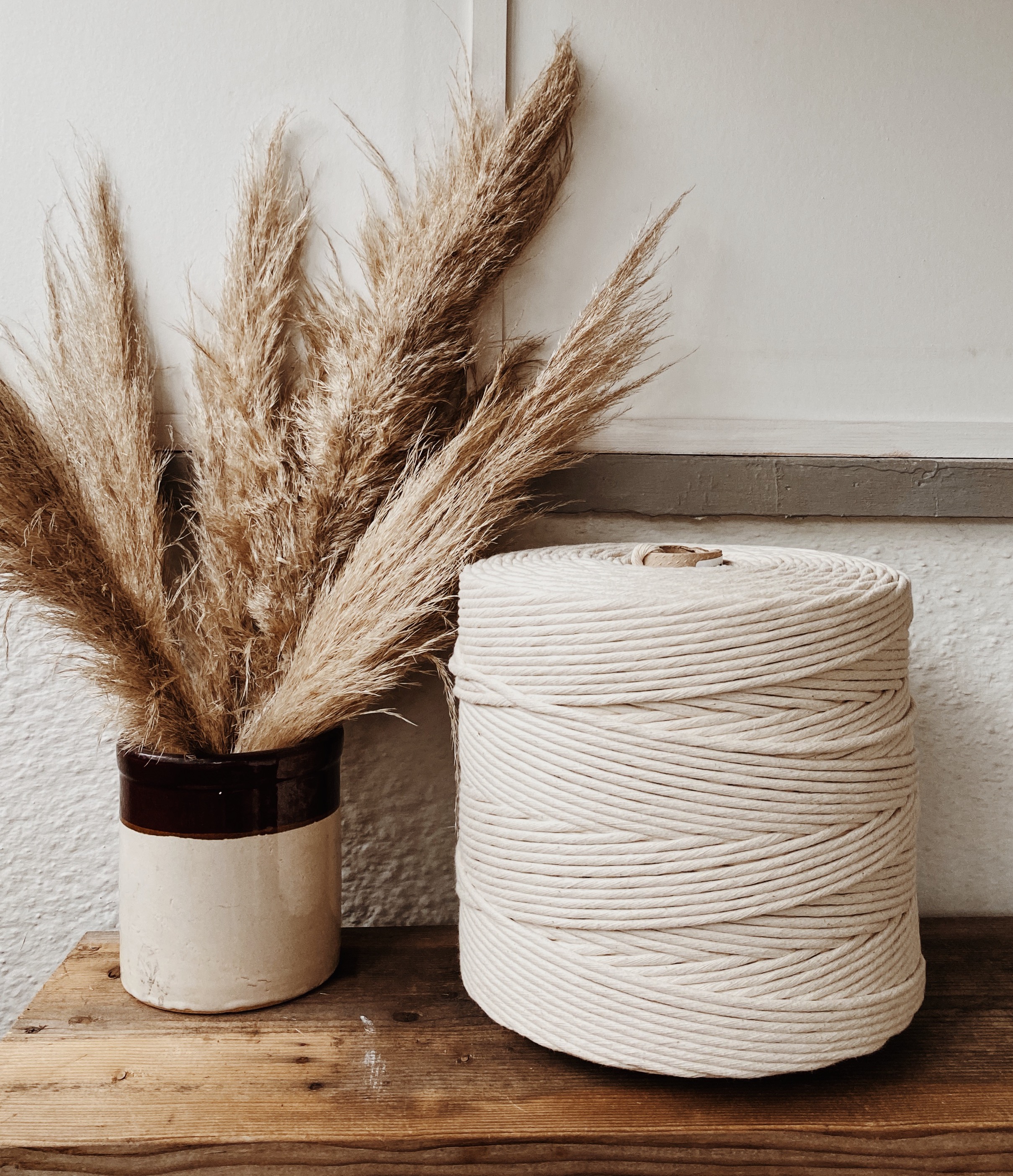
What is 100% cotton macrame cord and what can you make with it?
RightRope's 100% cotton macrame cord is USA-grown and spun single-strand or 3-strand twisted rope ideal for knot-based projects. Popular uses include plant hangers, jewelry, wall hangings, bags, and home décor. It's soft, knots well, and safe for pets and birds.
By Material
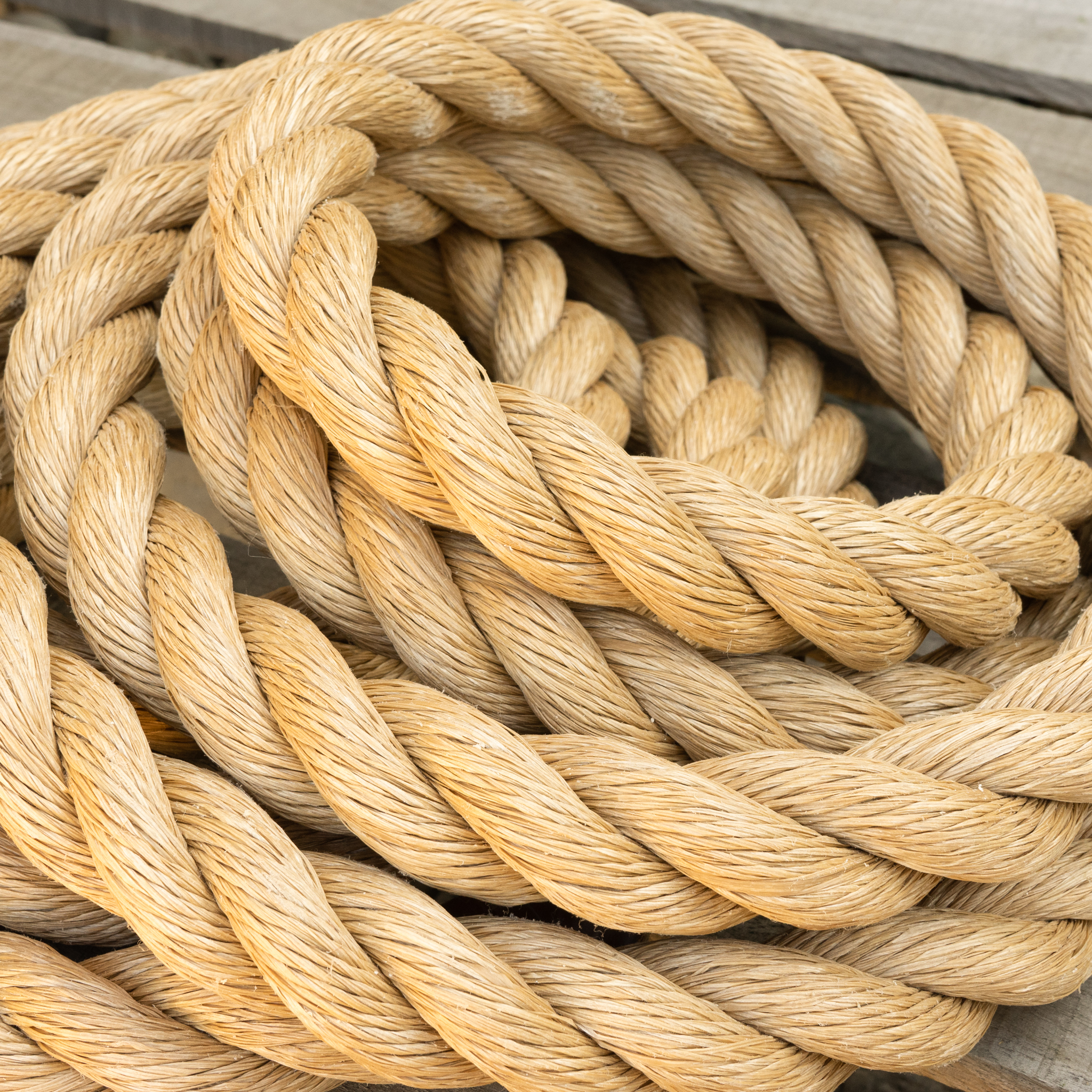
What is promanila rope and what is it used for?
Promanila (unmanila) is a synthetic polypropylene alternative to natural manila rope. It's stronger, lighter, won't rot or absorb water, and lasts up to 3× longer. It's commonly used for decorative railings, docks, swings, and outdoor landscaping.
By Use
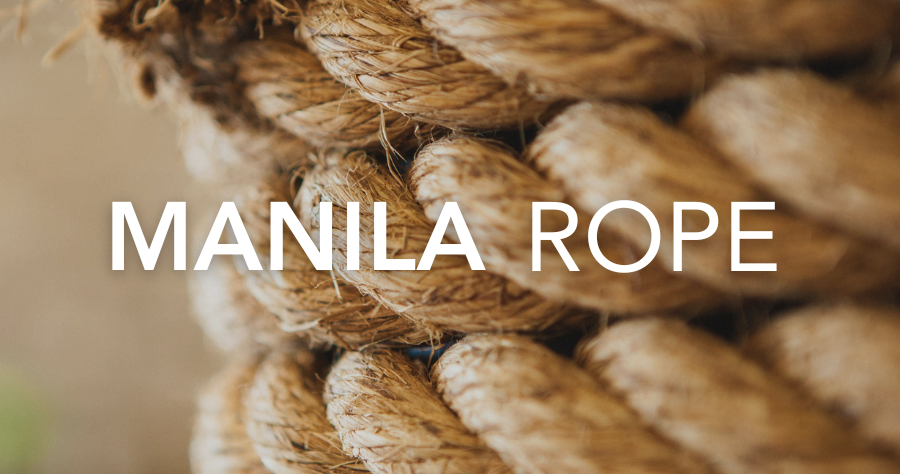
What is manila rope and what are its best uses?
Manila rope is a natural fiber rope made from abaca plant fibers, native to the Philippines. Its durable construction makes it ideal for nautical railings, exercise applications, and decorative projects. However, synthetic alternatives like Promanila offer better weather resistance for outdoor use.
By Material
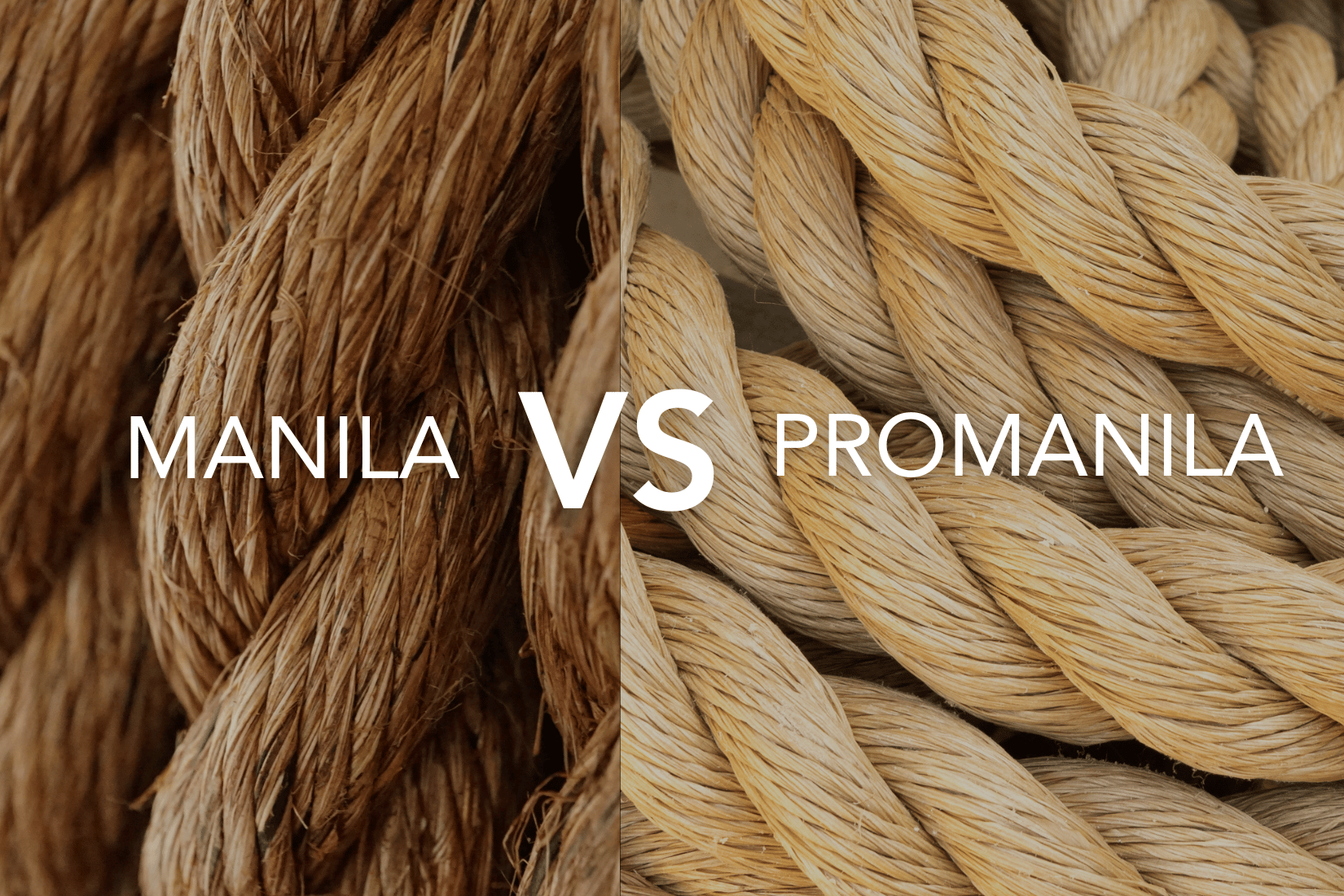
What's the difference between Manila rope and Promanila rope?
Manila rope is made from natural abacá fiber, shrinks when wet, and lasts 5-7 years. Promanila is synthetic polypropylene that resists moisture, lasts 10-15 years, and has 50% higher breaking strength. Promanila is recommended for most applications due to superior durability and weather resistance.
By Use
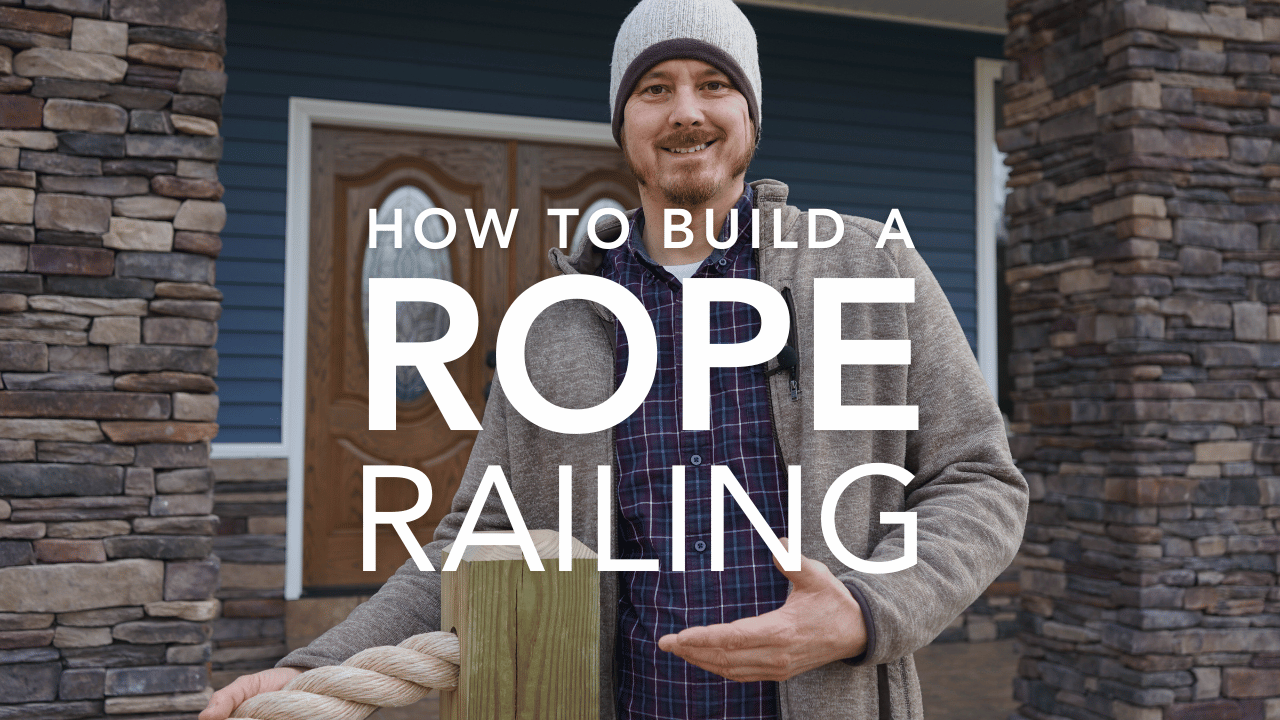
How do I build a rope railing?
Build a rope railing by selecting durable synthetic rope like Promanila, choosing your mounting design, calculating rope length with sag, drilling post holes ¼" larger than rope diameter, feeding rope through posts, and securing with lag screws. Plan for 10–15 years lifespan with quality materials.

Safety & Specs
How do I calculate the safe working load I need for a rigging or lifting job?
To calculate the safe working load for a rigging or lifting job, determine the maximum load the rope will bear, then multiply that load by your required safety factor (typically 5:1 to 12:1 depending on risk level) to find the minimum breaking strength the rope must have.

By Use
What rope do I want for sail boats?
For sailboats, double braid polyester rope is the top choice. RightRope's Sail-Right Double Braid Rope is purpose-built for halyards, sheets, and control lines, offering high strength, low stretch, UV resistance, and rot resistance in diameters from 3/16" to 3/4".

By Use
What is the best rope for a daybed swing?
Twisted Polyester Rope is the best choice for a daybed swing. It is the longest-lasting decorative rope available, offering high strength, low stretch, and a soft, beautiful appearance that holds up well in outdoor and indoor swing applications.

Buying Guides
What is the right size dock lines for my boat?
Size dock lines based on your boat length and cleat size. Use 3/8" for boats up to 24 ft, 1/2" for 25–32 ft, 5/8" for 33–44 ft, and 3/4" for 45–55 ft. Always confirm by measuring your cleats: use 1/8" of rope diameter per 2" of cleat length.

Buying Guides
How do I chose a rope for my rope railing?
For most rope railing projects, choose Promanila or twisted polyester rope in a 1.5–2.5 inch diameter. Match diameter to your post size, prioritize UV and rot resistance for outdoor use, and select a material that suits your climate and aesthetic goals.